-

-
-
Loading
Loading

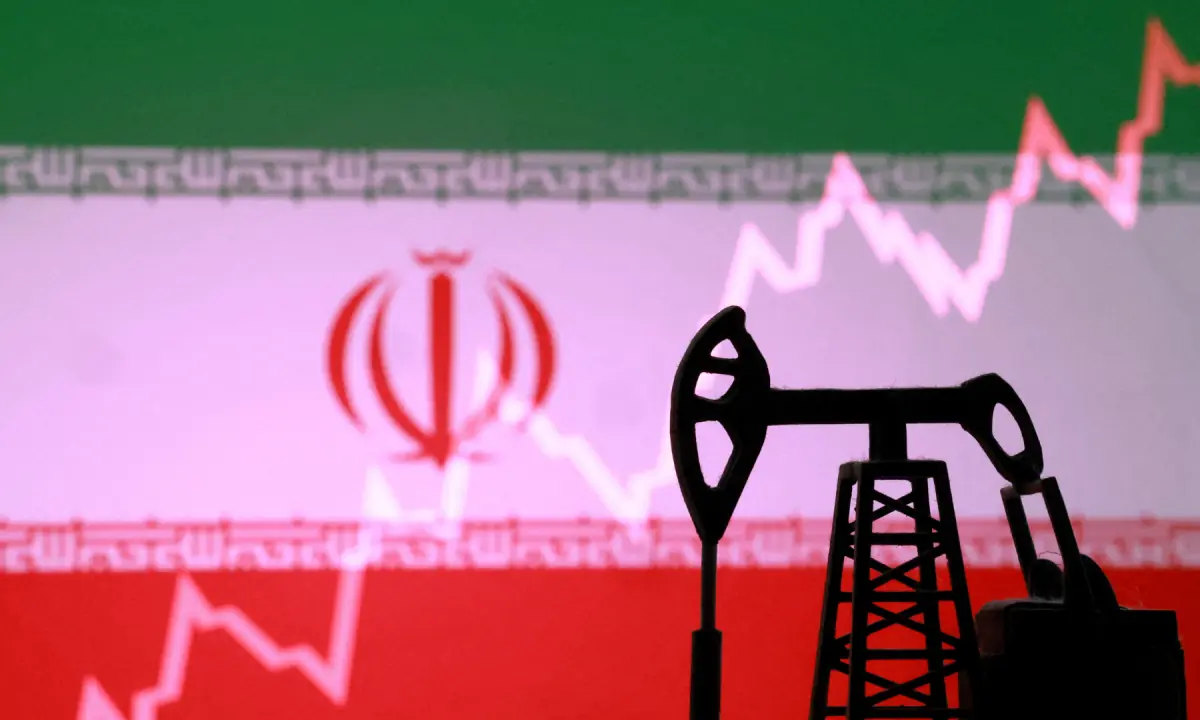

Oil prices rose 1 per cent on Wednesday as the US-Israeli war on Iran disrupted Middle East supplies, but the pace of gains slowed from past sessions after President Donald Trump raised the possibility of the US Navy escorting vessels through the Strait of Hormuz.
Brent rose $1.17, or 1.4pc, to $82.57 a barrel by 04:08 GMT, after closing at its highest since January 2025 on Tuesday.
US West Texas Intermediate crude rose 72 cents, or 1pc, to $75.28, after settling at its highest since June. Both rose by around 5pc or more in the past two sessions.
“Right now, geopolitics has clearly overtaken the usual price drivers like inventory data, US economic numbers or Opec commentary,” Phillip Nova senior market analyst Priyanka Sachdeva said.
“In the near term, the key pointers to watch are physical export data from the Gulf, any confirmed tanker incidents, US naval movement, and Iran’s tone,” she added.
Israeli and US forces struck targets across Iran on Tuesday, prompting retaliatory Iranian strikes against energy infrastructure in a region that accounts for just under a third of global oil production.
Iraq, the second-largest crude producer in the Organization of the Petroleum Exporting Countries, has cut output by nearly 1.5 million barrels a day, about half its production, due to storage limits and the lack of an export route, officials told Reuters. They said the country may have to shut its nearly 3m barrels per day of output within days if exports do not resume.
Iran has also targeted tankers in the Strait of Hormuz, through which about a fifth of the world’s oil and liquefied natural gas flows. Traffic through the Strait remains effectively closed.
Trump has said that the US Navy could begin escorting oil tankers through the Strait of Hormuz if necessary, adding he had ordered the US International Development Finance Corporation to provide political risk insurance and financial guarantees for maritime trade in the Gulf.
“The promise of such guarantees comes as insurers are cancelling war risk coverage for vessels moving through the Strait of Hormuz. This is welcome news, but clearly it won’t happen overnight. Naval escorts would be helpful, but again, this effort will take time,” ING analysts said in a note.
Countries and companies have begun seeking alternative routes and supplies. India and Indonesia said they were looking for other energy supplies, while some Chinese refineries were shutting or moving up maintenance plans.
In the US, crude stocks rose by 5.6m barrels last week, according to market sources citing American Petroleum Institute figures, well above the 2.3m barrels analysts projected. Official figures from the US government are expected later on Wednesday.
if you want to get more information about this news then click on below link
More Detail