-

-
-
Loading
Loading

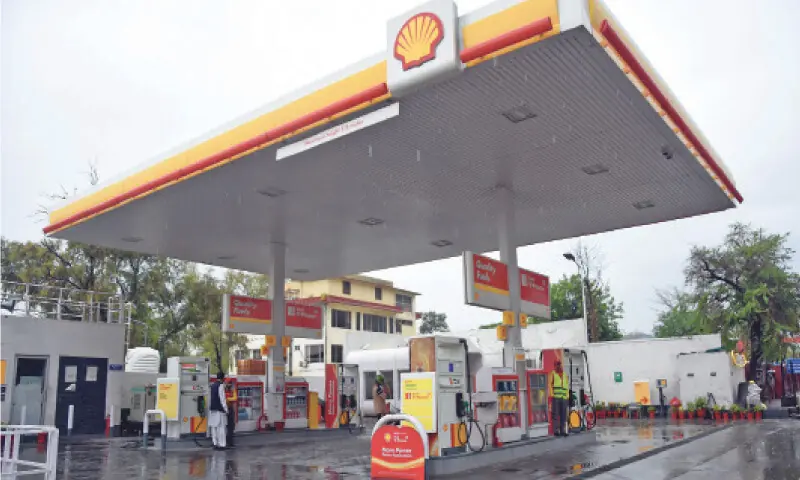

RAWALPINDI: The surge in petroleum prices has drawn a strong reaction from residents of the twin cities, with people from various walks of life demanding the government to withdraw the decision.
Citizens said the unprecedented and uncalled-for increase would affect the quality of life of the common man and raise production costs in agriculture, transport and industry. They complained that flour, vegetables, meat and chicken were being sold at revised rates, while transporters, taxi drivers, and rickshaw drivers were charging more, citing the increase in petrol prices.
They feared that prices of daily commodities would rise further. “The school van operator has informed us that they will increase charges by Rs1,000 from this month due to higher petrol costs,” said Muhammad Afzal, a resident of Chaklala Scheme-III.
He said the common man has to pay more for every purchase of food and essential items after the increase in petroleum prices, while the profit margins of shopkeepers and businesses remain unchanged, placing the entire burden on salaried individuals and daily wage earners.
Citizens, traders demand rollback as transport costs surge; government announces free public transport for a month
Faisal Mughal, another resident, questioned whether the government was trying to “economically kill the masses” through the unjustified hike. He said transporters would now be justified in increasing inter-city fares.
The Rawalpindi Chamber of Commerce and Industry (RCCI) also expressed grave concern over the sharp increase in petroleum prices, warning that the move would have far-reaching consequences for the economy, businesses, and the general public.
RCCI President Usman Shaukat, reacting to the government’s decision, said the unprecedented hike had effectively doubled transportation costs. He cautioned that the surge would fuel food inflation and escalate construction expenses, further burdening consumers and the business community.
He noted that the new petrol price was disproportionately higher than trends in the international market, attributing the spike to the imposition of a record petroleum levy of Rs160.61 per litre. “Such excessive taxation is placing an unbearable strain on the economy and must be urgently reviewed,” he said.
Highlighting the need for immediate corrective measures, the RCCI chief proposed a reduction in non-essential government expenditures and a temporary cut in development projects to create fiscal space for relief measures.
He also urged provincial governments to pool resources and introduce targeted subsidies to cushion the impact on the masses. RCCI further called upon the federal government to engage with the IMF to ensure that the burden of levies is not directly transferred to consumers. Usman Shaukat emphasised the need for a phased approach to fuel price adjustments, coupled with targeted subsidies for vulnerable sectors.
“Policymakers must engage with the business community to find balanced solutions that protect consumers while ensuring the sustainability of production,” he added.
Meanwhile, Pakistan Peoples Party Workers President Dr Safdar Ali Abbasi and Naheed Khan, former political assistant to Benazir Bhutto, strongly condemned the increase in petrol and diesel prices, saying it had been imposed under the pretext of the ongoing war situation in the region.
In a statement, they said that at a time when people were already burdened by inflation, unemployment, and shrinking incomes, the decision amounted to economic oppression. The working class and salaried segments were being forced to bear an unbearable burden threatening their survival. Residents of Islamabad also criticised the government over the unprecedented hike in fuel prices.
“This is not just a petrol increase; it is much more than that. We are upset, where should we go with petrol priced at nearly Rs459 per litre?” said Ismail Ahmed, a resident of G-7.
Meanwhile, Interior Minister Mohsin Naqvi announced that all public transport in Islamabad would be made free for one month. “On the directions of the Prime Minister, all public transport in Islamabad will be free of cost for the general public for the next 30 days, starting Saturday.
Published in Dawn, April 4th, 2026
if you want to get more information about this news then click on below link
More Detail