-

-
-
Loading
Loading

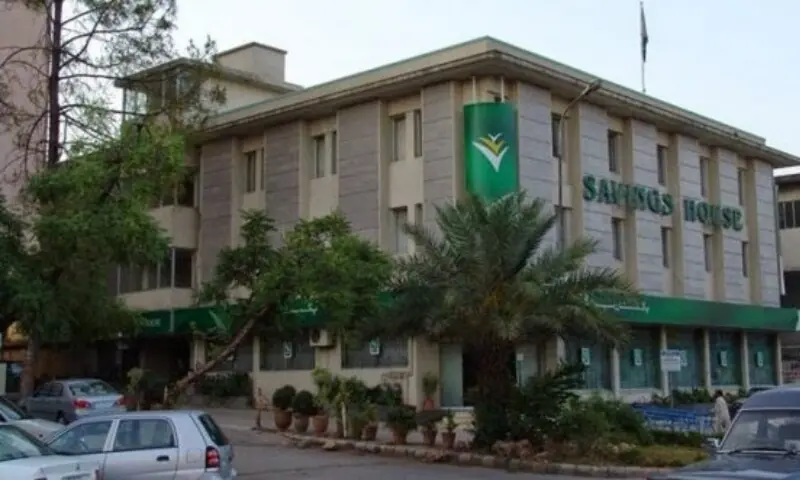

KARACHI: Forgoing its traditional model of requiring customers to physically visit National Savings Centres, the Central Directorate of National Savings (CDNS) is finally digitising its operations, says the Pakistan Economic Survey.
The CDNS mobilises household savings and serves as the retail arm for government-backed savings products, including the National Savings Schemes (NSS), which are aimed at small savers, pensioners, widows and senior citizens.
As of March 31, the NSS portfolio stood at Rs3.6 trillion, equivalent to around 10 per cent of the country’s banking deposits and 6.5pc of Pakistan’s total domestic debt. The CDNS serves about two million households, many of whom have traditionally had to visit savings centres in person to collect profits. They can now receive payments through cheques, ATMs or direct transfers via Raast, eliminating the need for elderly customers to stand in long queues.
The organisation has also launched a mobile app. By March 31, around 350,000 debit cards had been issued, while active app users stood at about 90,000. A co-branded credit card, developed in collaboration with the Bank of Punjab, has also been soft-launched.
The move comes at a time when Pakistan is struggling to increase formal savings. National Savings Schemes remain one of the country’s few widely accessible formal savings instruments. Yet most Pakistanis continue to save through informal channels, such as real estate, gold or foreign currency.
According to Ammar Habib Khan, assistant professor of practice at IBA Karachi, savings held in these forms cannot easily be channelled into productive investments in the broader economy.
The problem has been compounded by falling real incomes over the past decade. At the same time, higher taxes have eroded whatever surplus households might otherwise have saved.
Published in Dawn, June 12th, 2026
if you want to get more information about this news then click on below link
More Detail