-

-
-
Loading
Loading

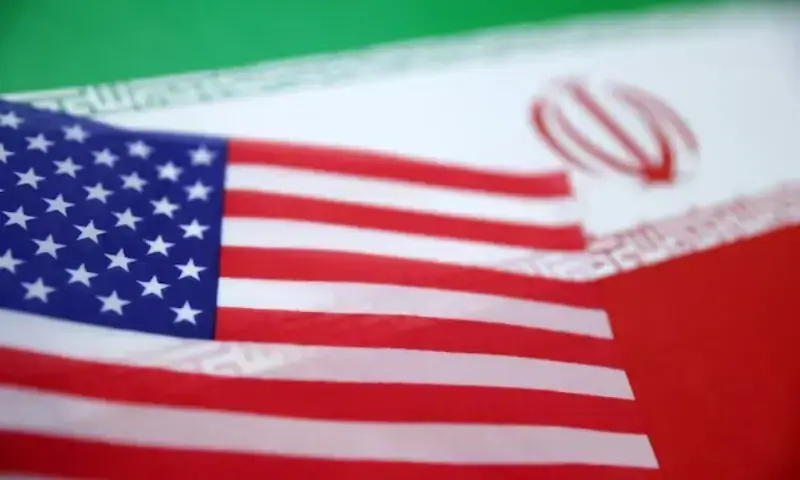

• Putin says deal could stabilise Middle East, ease energy pressures; Beijing calls it ‘positive step’ for de-escalation
• Qatar praises ceasefire terms and Hormuz assurances
• G7 leaders back deal, call it key to blocking nuclear escalation risk
• Hezbollah calls truce extension a ‘major victory’; Israel signals caution as Netanyahu says ‘challenges lie ahead’
WORLD powers and international leaders on Thursday welcomed a landmark ‘Islamabad Memorandum of Understanding’ signed by the United States and Iran to end their conflict, with many hailing Pakistan’s mediation efforts and expressing hope that the deal would pave the way for lasting peace.
Among the first to react were China and Russia, both of which welcomed the agreement and urged all parties to build on the momentum created by the ceasefire.
Russian President Vladimir Putin, speaking at an ASEAN summit in Kazan, praised the agreement, noting that Middle East stabilisation will significantly benefit global energy markets.
The Russian Foreign Ministry formally welcomed the pact signed on Wednesday by US President Donald Trump and Iranian President Masoud Pezeshkian.
In Beijing, Chinese Foreign Ministry spokesperson Lin Jian called the first-phase MoU a move of “positive significance for easing tensions”. Highlighting intense diplomatic efforts, including a five-point initiative jointly issued by China and Pakistan, Lin emphasised that force cannot solve problems.
“Equal-footed negotiation is the right path,” he said, urging both nations to approach second-phase negotiations with a rational, pragmatic attitude to achieve positive outcomes.
The Qatari Ministry of Foreign Affairs released a statement welcoming the document’s electronic signing in both English and Farsi.
Doha praised the deal for addressing outstanding issues, including the cessation of military operations and ensuring freedom of navigation in the Hormuz, saying it considers the MoU a “renewed affirmation of the two sides’ commitment to resolving their differences” via peaceful means.
While Qatar emphasised the agreement represents a “solid foundation” for talks and praised Pakistan’s mediation efforts, other Gulf countries have yet to issue official reactions to the diplomatic breakthrough.
Western leaders expressed profound relief over the economic and security implications. G7 countries welcomed the deal, calling it a “historic opportunity to prevent Iran from acquiring any nuclear weapon”.
French President Emmanuel Macron said the pact would stop a “situation of great instability that had terrible consequences for our economies.”
“This agreement paves the way for lasting peace and allows the reopening of the Strait of Hormuz,” Macron wrote. “It is an important step in the right direction for our compatriots that will soon enable a decrease in energy prices.”
Japanese Prime Minister Sanae Takaichi echoed these economic priorities, emphasising it was vital that “free and safe navigation” in the Strait of Hormuz be promptly restored through the “steady implementation of the memorandum by all parties”.
In Lebanon, Hezbollah chief Naim Qassem hailed the diplomatic breakthrough as a “big victory”.
In a televised address, Mr Qassem thanked Iran for linking the Lebanon front and forcing Israel to stop its aggression.
However, he drew a hard line on domestic concessions. “The ceiling for the negotiations with the Israeli enemy is mutual security … and any proposal under the banner of disarmament will not pass, as this is an Israeli recipe for taking everything and wrecking the country,” he said.
Conversely, Israeli Prime Minister Benjamin Netanyahu underscored the importance of maintaining close ties with the United States on Thursday, saying Washington had stood by Israel during the war.
“The struggle is not yet over, and further challenges lie ahead,” Netanyahu said. “They require calm judgement, steadfast defence of Israel’s security interests, and at the same time the preservation of our vital relationship with our American friends, who stood shoulder to shoulder with us in this fight — a partnership we deeply appreciate.”
Meanwhile, diplomatic support continued to ripple outward. Deputy Prime Minister and Foreign Minister of Pakistan Senator Mohammad Ishaq Dar received telephone calls from Azerbaijan Foreign Minister Jeyhun Bayramov, Egyptian FM Badr Abdelatty, Turkiye’s Hakan Fidan and Bahrain’s Abdullatif bin Rashid Al Zayani. They congratulated Dar on the signing of the memorandum and Pakistan endorsed as a mediator. They also appreciated Pakistan’s sincere and sustained diplomatic efforts that contributed to this development.
Published in Dawn, June 19th, 2026
if you want to get more information about this news then click on below link
More Detail