-

-
-
Loading
Loading


THE UN theme for World Autism Awareness Day 2026, is ‘Autism and Humanity — Every Life Has Value’. Autism is a neurodevelopmental condition that impacts and shapes how persons with autism process information, communicate and interact with the world. Many autistic individuals have co-morbidities such as epilepsy, hyperactivity and sensory disorders for which they are dependent on timely medication, predictable routines and environmental stability. Their families and caregivers face extreme stress and challenges in their daily lives.
This year’s message of Autism Awareness Day becomes more poignant in the context of Gaza, Iran, Lebanon and other regions where wars have been imposed by Western states and their allies. There is an acute disruption of infrastructure, hospitals, education and therapies that those with autism rely on. The collapse of these support systems during sieges, attacks and displacement takes a devastating toll on their quality of life.
Disabled persons in war zones often face barriers to evacuation, lack of accessible transport and shelters, disruption of medical support and heightened psychological trauma. Their needs are rarely considered in emergency response and disaster management, leaving them disproportionately vulnerable to abuse and neglect, including violence, sexual assault and deliberate exclusion from support and safety measures. The destruction or loss of essential assistive devices can further increase their vulnerability. Those in state-run institutions may even face abandonment as these facilities can run out of essential supplies and staff.
In conflict situations, people with disabilities, especially those with autism, are more likely to suffer disproportionately: sirens, bombings, fires, falling debris and forced evacuations create a dangerous and psychologically devastating environment. The emergency response process in itself disturbs and dismantles the structured routines they depend on, turning everyday survival into a nightmare of terror and confusion.
Today is World Autism Awareness Day.
Autistic children and adults with severe food preferences are at high risk of malnutrition with food scarcity. The breakdown of routines, therapies, medication, specialised diet and support services cause regression, distress, anxiety and sensory overload. Since they may have a deficit of self-awareness, it is harder for them to identify and express their emotions, report abuse or seek help. During the Iraq war, a photo of a soldier with a bewildered teenage autistic boy was reported in the media because it accurately depicted war’s debilitating effects on the most vulnerable.
Sudden evacuations and crowded displacement camps create sensory disintegration, which can lead to bizarre behaviour and meltdowns. They are likely to be mistreated by rescuers due to stigma and poor awareness. Autistic individuals can’t cope with unscheduled occurrences, fleeing to bomb shelters and struggling with the discomfort of loud noises. They may suffer physical injuries, seizures and loss of limb. The death of parents and caretakers is a real possibility.
Autistic persons can be detained by security persons due to their inability to answer questions. In late 2025, Israeli forces in Gaza released the autistic 18-year-old Omar Yahya al-Qarinawi after months of detention without charge. A reported incident of abuse involved Muhammed Bahar, a young man with Down syndrome and autism, who was mauled to death by a dog set upon him by Israeli soldiers.
Healthcare facilities in war zones are often overwhelmed and distribution of relief goods can be chaotic and inaccessible, making it difficult for autistic persons to receive basic necessities and support services, including medical care, education and access to assistive communication devices. Inclusion is not only about acceptance in times of peace, but also unequivocal protection in times of crisis.
Archaeological evidence suggests that caregiving may have been a key factor in human evolution. Prehistoric human remains show not only healed injuries and disease, but also disabilities, indicating that others must have provided them with food, protection and care. Helping the weak or injured, alleviating pain and being kind may have been more important than intelligence in the survival of early human societies. Robert Owens’s famous line: “Was it for this the clay grew tall?” written in 1918 seems heartbreakingly apt today.
The UN must make it binding for aggressors to pay billions of dollars in reparations to countries they have destroyed because of their greed. Infrastructure must be rebuilt, medical care and diagnostic facilities re-established, educational institutions revived, libraries refurbished and psychological and rehabilitation services introduced at the cost of the aggressors. This is a prerequisite for lasting world peace.
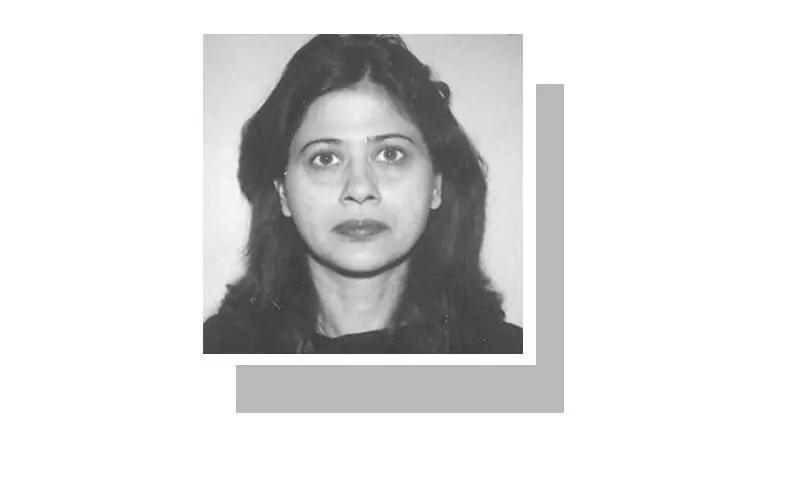
The writer is CEO, ASD Welfare Trust.
Published in Dawn, April 2nd, 2026
if you want to get more information about this news then click on below link
More Detail