-

-
-
Loading
Loading

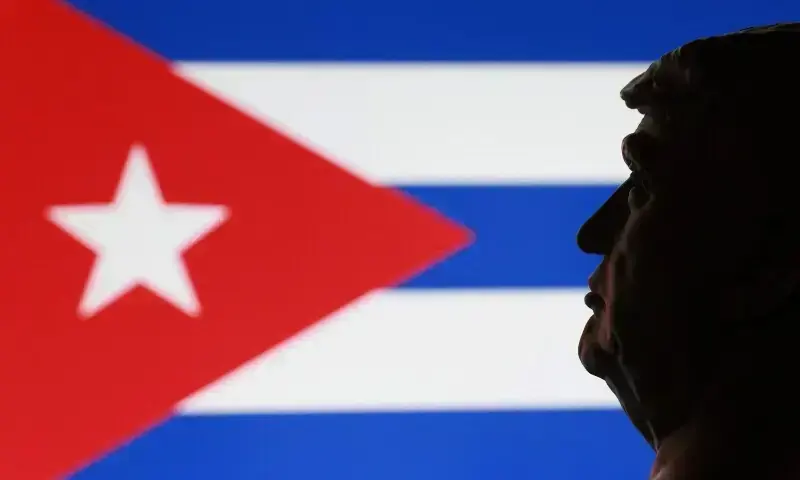

Two Democrats from the US House of Representatives visited Cuba last week, the first such delegation to go to the island this year since US President Donald Trump imposed a de facto oil blockade in a bid to bring Cuba’s communist-run government to its knees.
Congressional representatives Pramila Jayapal, a leading member of the progressive wing of the Democratic Party, and Jonathan Jackson, a Democrat with a long interest in Cuba, said they had come to “see the suffering that is happening on the ground” as a result of Trump’s fuel embargo, which they called “an illegal blockade of energy supplies”.
The lawmakers’ visit comes at a time of unprecedented tension in the decades-long frosty relationship between the US and Cuba. The Trump administration has closed the tap on remittances to Cuba, threatened to slap tariffs on countries that provide oil to the island and placed it on a list of nations that sponsor terrorism.
“This is the most sanctioned part of Planet Earth right now, just 90 miles off our shores,” Jackson told a small group of reporters at a privately-owned hostel near Havana’s waterfront.
“Let’s bring the rhetoric down. People are suffering. And they are suffering for no good reason.”
The lawmakers said their five-day trip, which ended on Sunday, included meetings with President Miguel Diaz-Canel, Cuban lawmakers and top officials at Cuba’s foreign ministry.
Both nations have acknowledged they have begun talking, though few details of those discussions have been made public.
“There has been dialogue — the beginnings of dialogue,” Jayapal said following meetings with top Cuban officials.
“I don’t think it’s reached the state of negotiation that we were told. But I think there is a desire to ensure that there is a real negotiation … about what needs to happen in order for the situation to change.”
The lawmakers said they were saddened after visiting an oncology unit and a maternity ward in Havana hospitals that have been deteriorating for decades but have been particularly hard hit by Trump’s fuel blockade.
Tough Talk
Trump recently said he expected to have the “honour” of “taking Cuba in some form” and that “I can do anything I want” with the neighbouring country.
Despite such threats, Trump did not take action to stop a Russian tanker that last week delivered 700,000 barrels of desperately needed crude oil to Cuba.
“President Trump saw in his heart to let the Russian ship come in; whatever changed his heart, we are grateful for,” Jackson said.
The Democratic lawmakers also praised Cuba for recent gestures of apparent goodwill.
Cuba last month invited exiles to invest in businesses on the island, invited the Federal Bureau of Investigation to investigate an illegal incursion by sea that left five dead off Cuba’s north coast and most recently, said it would pardon upwards of 2,000 prisoners.
“There are a number of things that indicate that the moment is here for us to have a real negotiation between our two countries and to reverse failed US policy of decades, a Cold War era remnant, that no longer serves the American people or the Cuban people,” Jayapal said.
She said Democrats would continue to push for bills that ensure the US does not go to war with Cuba, and would push to lift sanctions she said were ineffective.
Jackson said the duo believed anything short of compromise would lead only to bigger problems.
“We can either help (the Cuban) people stay at home and live a healthy normal life, or there’s going to be a huge migration coming towards the United States,” Jackson said.
“People will not simply stay here, suffer and die.”
if you want to get more information about this news then click on below link
More Detail