-

-
-
Loading
Loading


We reached the old wolf in time to watch a fierce green fire dying in her eyes. I realised then, and have known ever since, that there was something new to me in those eyes — something known only to her and to the mountain. I was young then, and full of trigger-itch; I thought that because fewer wolves meant more deer, that no wolves would mean hunters’ paradise. But after seeing the green fire die, I sensed that neither the wolf nor the mountain agreed with such a view.
These are the most moving lines from forester and philosopher Aldo Leopold’s A Sand County Almanac, his breakthrough work in ecological preservation which was published in 1949, almost a year after his death and has since become a cornerstone of environmental ethics.
At one point in time, wolves were persecuted in the United States to the extent that by 1926, Gray Wolves had completely vanished from Yellowstone National Park and the 2.2 million acres of wilderness was left to elk and deer who roamed freely without fear of an apex predator. The result was an ecological disaster. The massive elk feasted on the riverbanks, wiping out young trees, causing soil erosion and taking a toll on the biodiversity.
The worst affected were the beaver colonies as fewer new trees meant they were losing both a source of food and building materials. With the beavers gone, there was no one left to stabilise the river which started to flow freely. The water table dropped, fish lost their home and riverbanks eroded.
In 1995, however, the US decided to slowly re-introduce Gray Wolves to Yellowstone and 14 of them from Alberta were released into the wild with 17 more Canadian ones a year later. The results were remarkable. In no time, the elk and deer started to avoid the open valleys and riverbanks, trees started to grow again, the beavers returned, and fish populations started to grow. The riverbanks stabilised and the river changed its behaviour. A feared predator, the big bad wolf, had become the saviour of an entire ecosystem.
The fading fire in the dying wolf’s eyes symbolised to Aldo Leopold the death of a symbiotic system, which Nature has woven for the benefit of its species. In Leopold’s mind, humans and nature do not exist in hierarchy but are bonded in a kinship in which each member does their part to preserve the entire community. This approach to the environment is known as the Land Ethic, which sees humans are part of the biotic community and not separate from it.
This philosophy is the answer to countering the damage humans have done over centuries by disbalancing the system. The greatest example is their creation of cities which severed natural waterways, sealed soil under concrete, and drove out animals to make way for machines and bipeds. The irony is perhaps not lost on Pakistani readers who are watching this happen from the Malir River to the marble factories of Buner.
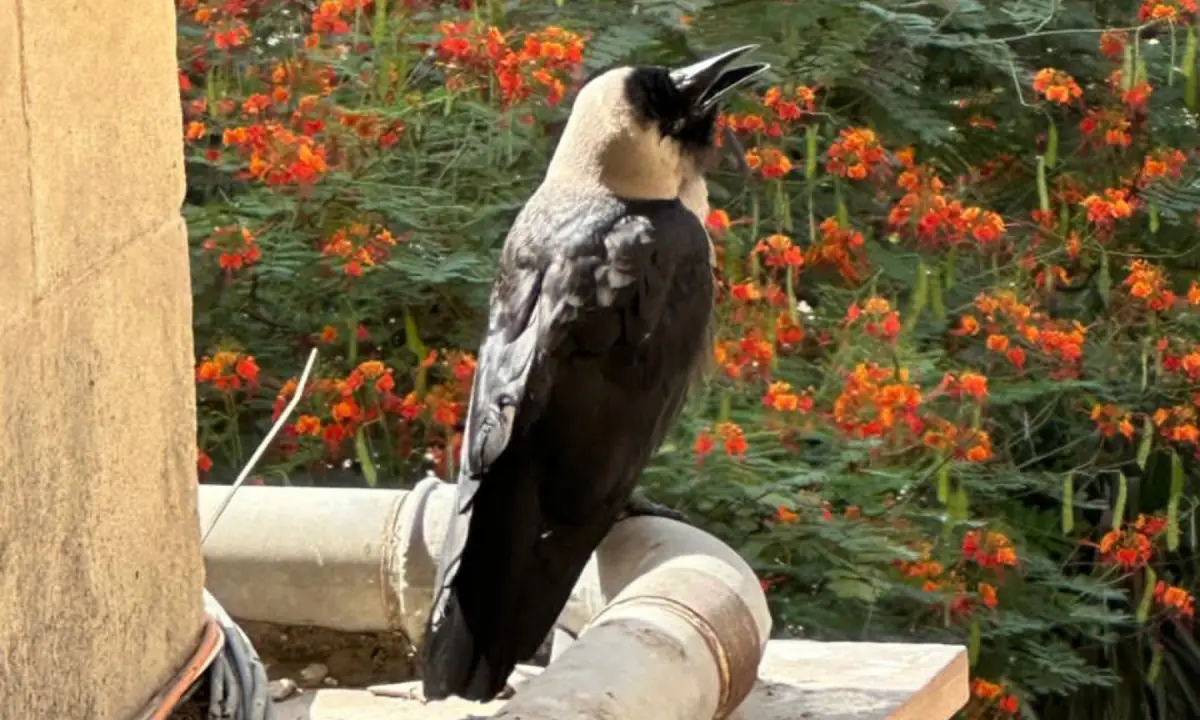
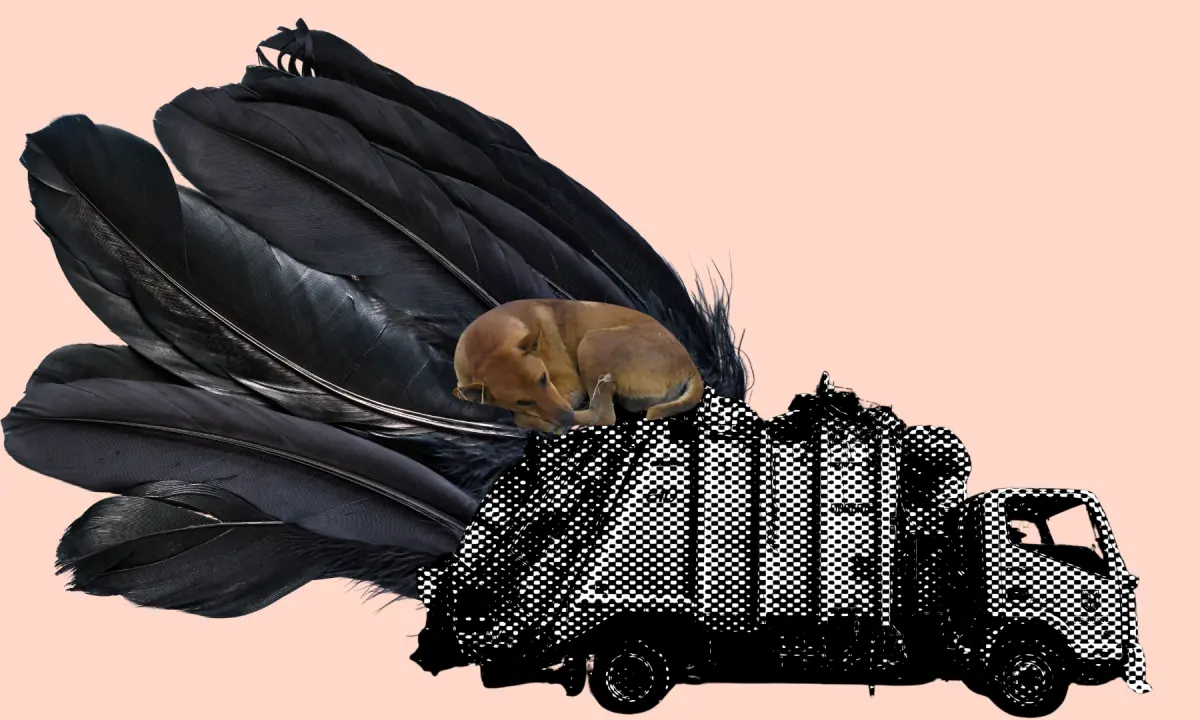
At sundown, start looking up to notice the swarms of kites and crows returning to their nests after a day of scavenging. Living in Karachi is an easy business for these birds because Karachiites produce over 14,000 tonnes of garbage daily which is dumped in ways that delight these flocks.
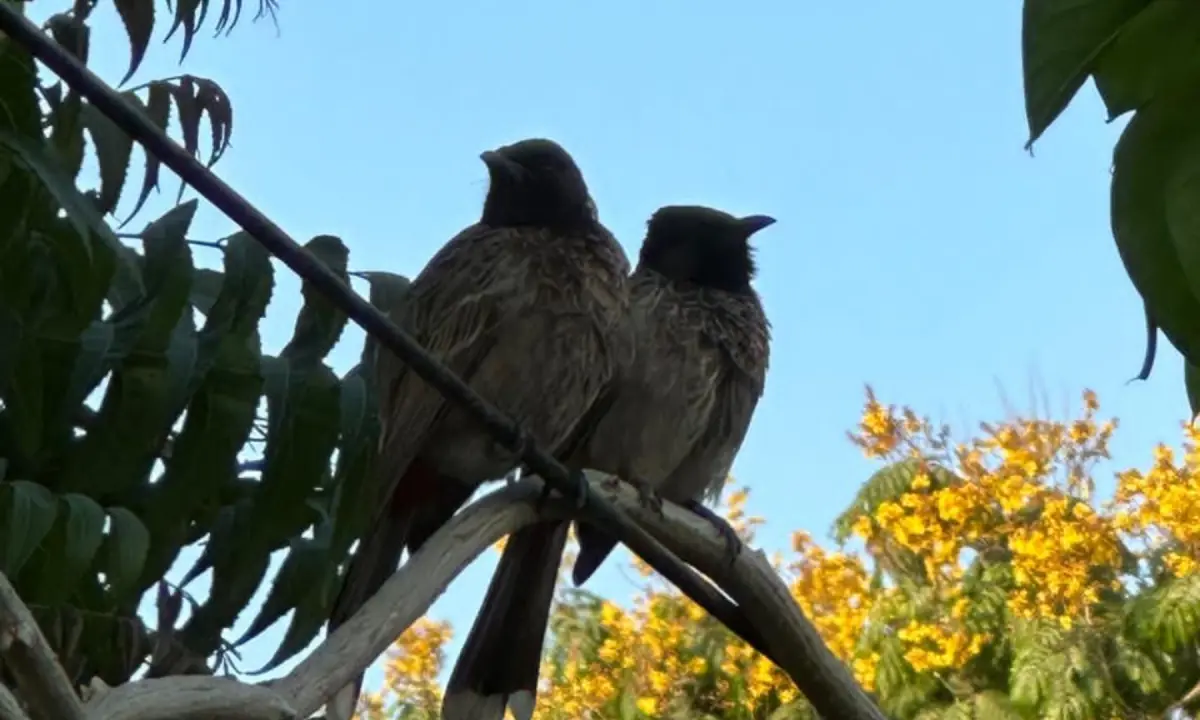
Kites and crows rule these skies because they attract no known predators, which alongside their scavenging business, makes them a threat to indigenous birds such as the Sparrow, Hoopoe, Myna, Koel, Rose-Necked Parakeet, Bulbul, Sunbird, Tailor Bird. All of these populations are declining under pressure from loss of habitat and the fierce dominance of kites and crows. Human activity is not the only reason they are suffering a loss of habitat; the growing numbers of kites and crows demand more nesting space. These smaller species can adjust to urban conditions if there is enough greenery to provide them protection and food but with the city’s green cover shrinking and the population of the kites and crows growing, Karachi is losing its smaller cheerful companions.
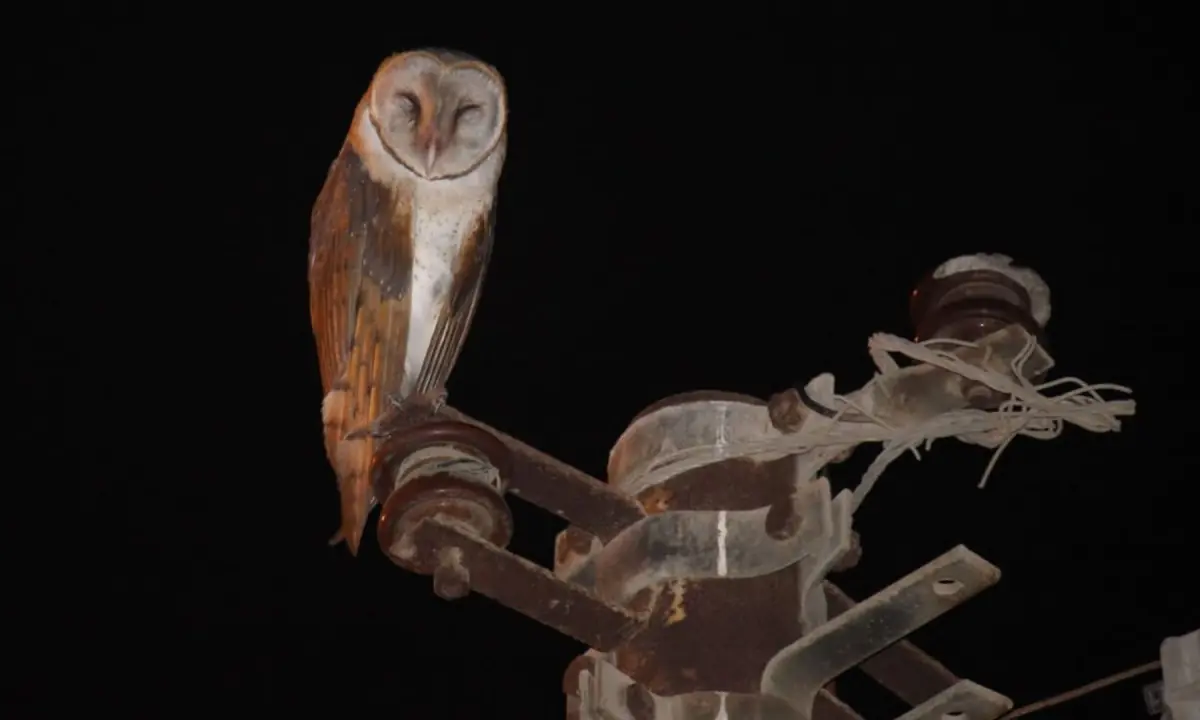
Thanks to a few magnificent banyan trees near my house I see squirrels gleefully skittering about every few days. Elsewhere in the city, I had the luxury of seeing an owl once and wondered how many of us have. Otherwise, it seems all we have left in our dreary skies are Kites, Crows, and Feral Pigeons.
Unfortunately, we are more sympathetic towards these birds as a visit to Native Jetty will prove. People feed the Kites and Crows with fresh meat to ward off evil, although I am not terribly certain how evil is managed by killing one animal and feeding it to another.
We also love to feed kabutar or feral pigeons, for whom chowks and chowrangis are dedicated across the city. In some parts of the world, feral pigeons are referred to as flying rats and are considered to be dirty and carriers of disease. The famous Trafalgar Square in London became a kabutar chowk until the then mayor Ken Livingston banned bird feeding as their droppings have harmful bacteria and parasites which cause serious lung infections (histoplasmosis) among other serious illnesses.
Our bias towards feral pigeons comes from our belief in doing good for that which is in greater numbers. But our bias makes us blind to the fact that not all birds live in flocks. We cannot expect Bulbuls, Koels and Mynas to come in staggering numbers to feast on our offerings, but this does not mean we cannot do something to make our city more hospitable for them.
## Not just birds
Kites and crows are not the only scavengers of Karachi, they control its skies. On the ground, however, stray dogs, feral cats and rats roam free.
Stray dogs are resilient animals who thrive on whatever is available. Fortunately for them, Karachi has a lot to offer with garbage dumps, roadside food stalls, meat markets and generous residents ensuring an unlimited supply of food. These mutts have fewer health problems as well given that their genetic makeup is sturdier than inbred pure breeds.
Given our aversion to what we think are unclean and dangerous dogs, our attentions are much more sympathetic towards stray or feral cats. They are less dangerous than dogs, for sure, but no less swift and agile as natural predators. Their increasing numbers pose a threat to the dwindling numbers of indigenous small birds.
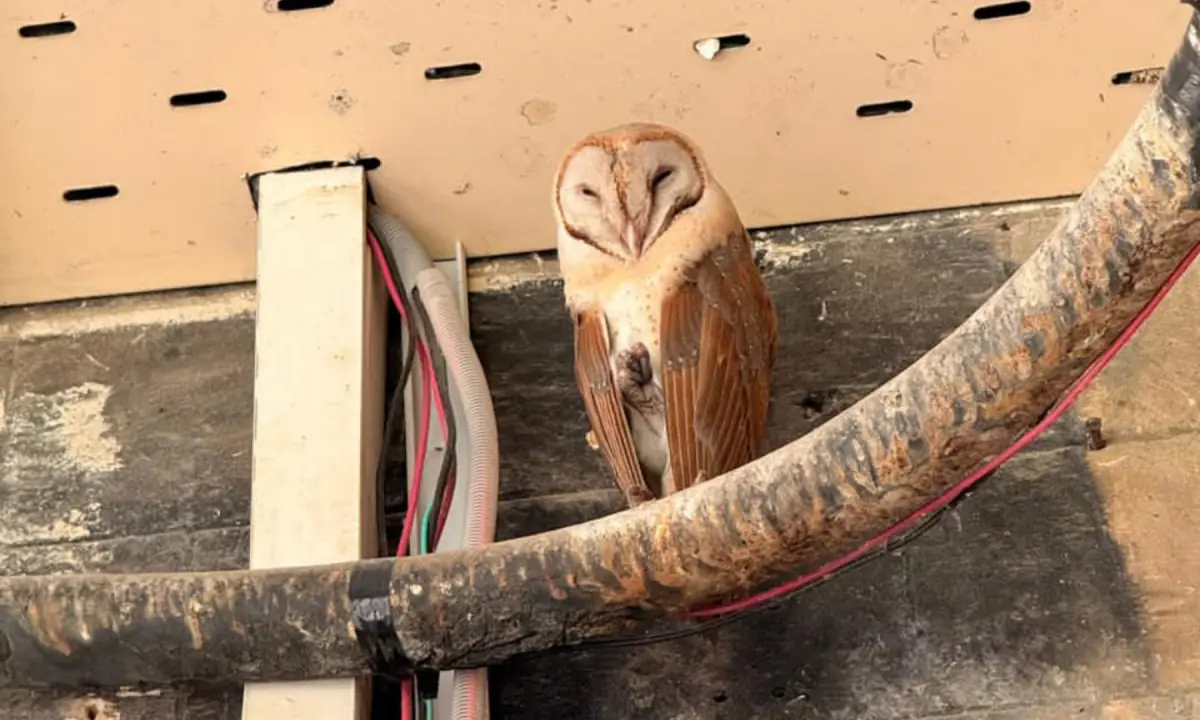
All the birds that are under threat are integral members of Karachi’s ecology. It is obvious from the declining numbers of indigenous birds and small animals that Karachi is transforming into a lifeless corpse being feasted upon by scavengers. Our apathy has robbed Karachi of its natural wealth.
There were times when Leopard and Deer were found in this area. Rapid urbanisation, hunting and environmental degradation have pushed most of the animals to more remote parts and many are on the brink of extinction. Unfortunately, the remaining few will be lost if we do not step up to protect them.
This can perhaps only be done when we start seeing “land as a community to which we belong” and only then, “we may begin to see it with love and respect”. Leopold’s idea of land included “soil, water, plant and animals” and he believed that they are equally worthy of ethical consideration. The answer lies in the central principle of Leopold’s Land Ethic which states that “a thing is right when it tends to preserve the integrity, stability, and beauty of the biotic community. It is wrong when it tends otherwise.”
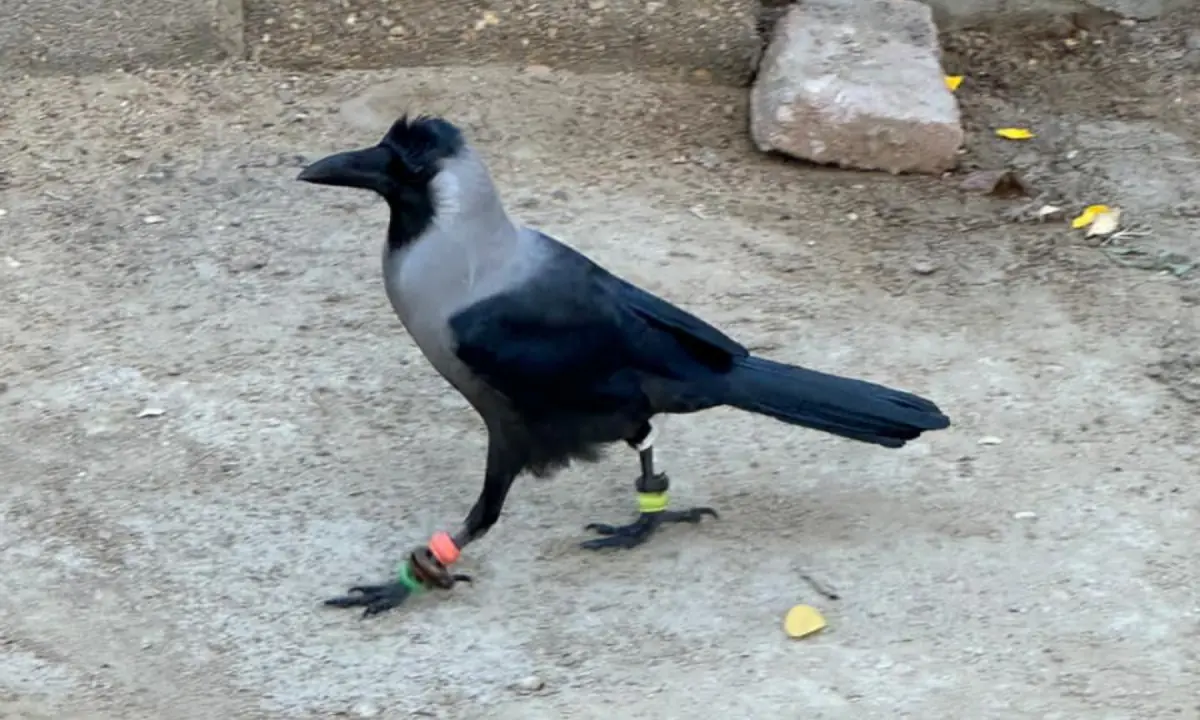
We have tipped the natural balance in favour of some species, so the responsibility to make things right rests solely with us. I am not against the existence of scavengers for they play a role in the welfare of the ecosystem. What I am arguing for is creating balance which can be achieved if the human role is minimised. Through our actions we are an externality favouring some species over others.
Fortunately, we do not have to go to extreme lengths as they did in Yellowstone by reintroducing the wolf. A lot can be done with a little course correction and we are already in a symbiotic relationship with scavengers as they feed on our waste. We could start with environmentally friendly garbage disposal which would bring the scavenger populations down automatically.
Yes, someone might argue that I am recommending that poor animals should go hungry and starve to death. But we must also keep in mind that life in the wild has its own logics; there is never an abundance of food but fierce competition over meagre resources. We should think twice before upsetting these balances.
Note: All images in the piece have been provided by the author.
if you want to get more information about this news then click on below link
More Detail