-

-
-
Loading
Loading


Pros:
Cons:
Provisional score: 5.5/7 — Off to a great start
Reviewed on: PC; available on: Windows, MacOS and Linux (Early Access).
Price: $11.99 (Steam)
I have a confession to make, dear reader: I have played exactly two deckbuilders in my life, both within the last month, and both of them are Slay the Spire. This is because I decided I simply couldn’t review Mega Crit’s newly-released Slay the Spire 2 — out now in Early Access — without first getting a sense of what people have really been looking forward to, or been disappointed by.
I’m pleased to report that this was the right decision. Having immediately gotten hooked on the first game, I’m approaching the new sequel with a general familiarity with its gameplay mechanics, buckets of appreciation for the return of the best aspects of 2019’s iconic roguelike deckbuilder, and a deep enthusiasm to discover everything new.
The most basic premise of the Spire games, for those unfamiliar, is simple: ascend the titular Spire (without dying), learn its secrets, and defeat the enemies in your way — using an ever-growing deck of cards and collectible power-ups, to inform your fighting style in turn-based combat.
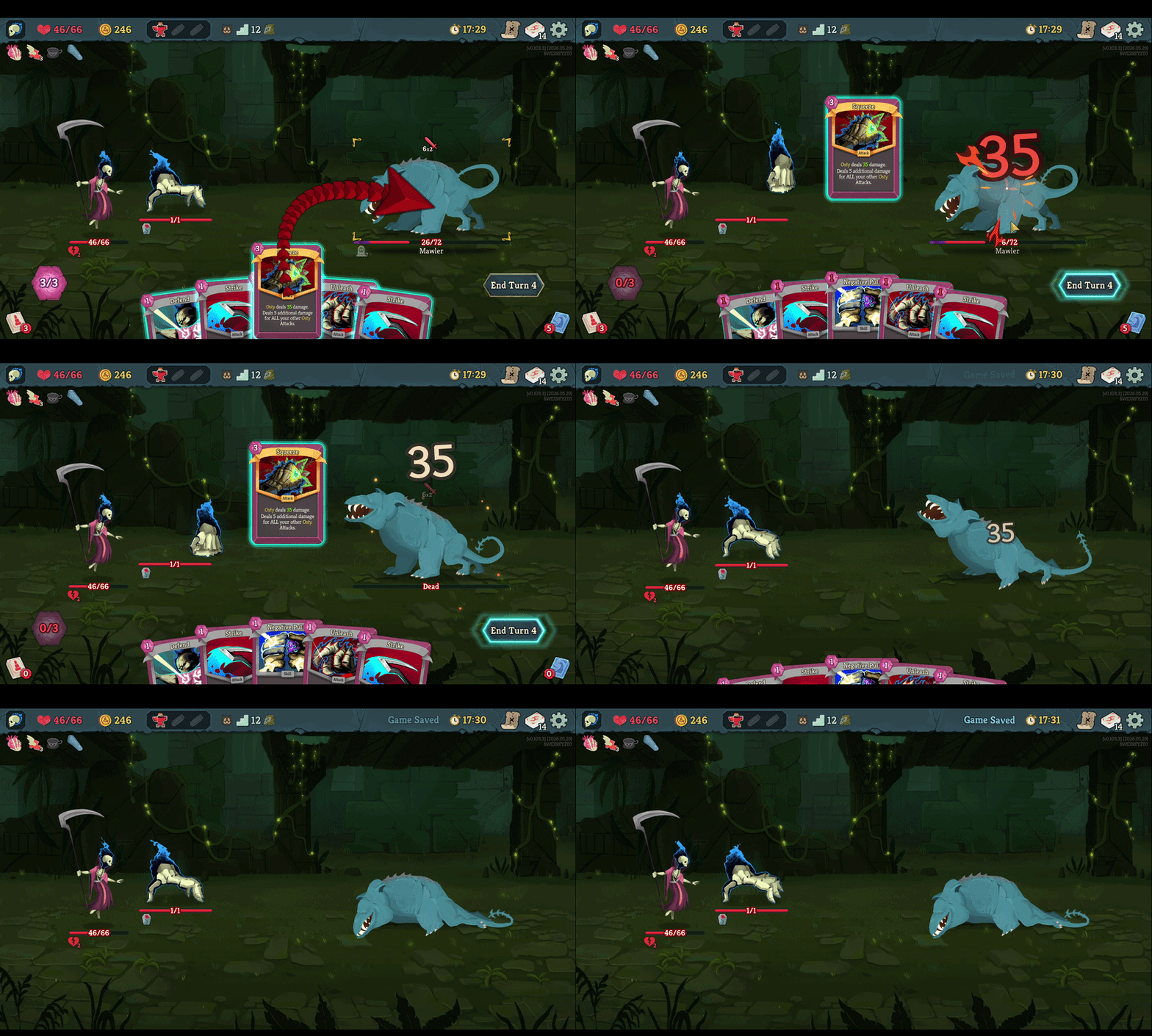
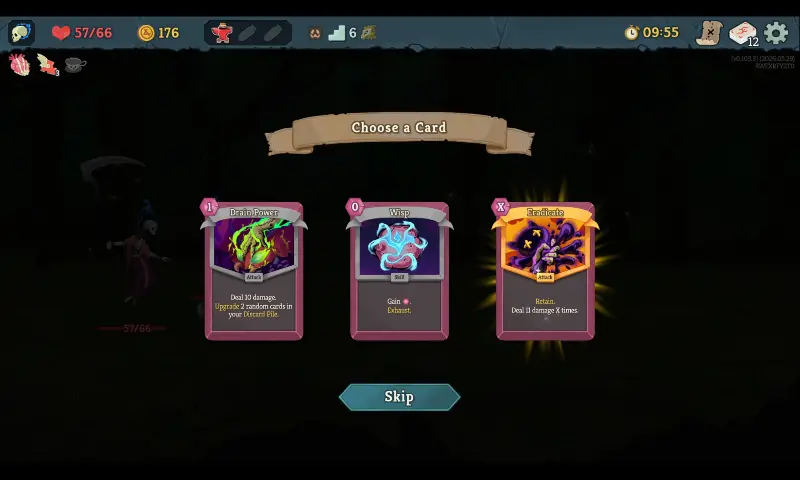
To briefly explain the deckbuilding aspect: combat works by drawing and playing cards from a deck, which act as attacks, defensive manoeuvres, and other battle tactics against enemies. As you advance using both luck and strategy, you collect more powerful cards for your deck — and here, when you die, you lose them and start over.
There are powerful bosses; there’s treasure and gold; there are mysterious characters and discoveries that can help or hinder you in your quest. In short, a quintessential dungeon-crawler packing deckbuilding and roguelike aspects in a surprisingly seamless fusion.
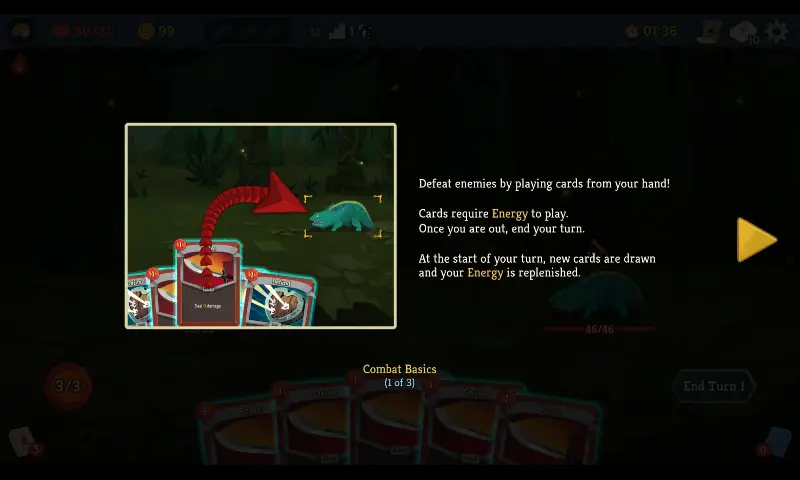
Much like the first game, this one doesn’t start by telling you a lot about what you’re doing, or why (more on this later). After a quick intro about the reopening of the Spire, it comfortably launches you straight into play with little fanfare. For those who haven’t played the first game or have limited experience with it, like myself, nothing feels like a spoiler — you can get your feet under you with ease, with an optional gameplay tutorial at the ready to help newcomers out.
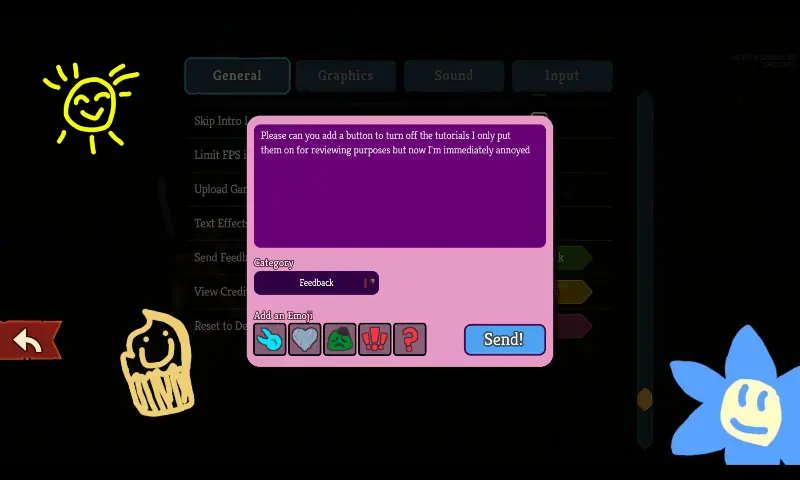
Since this is an Early Access release, there’s also a conveniently accessible feedback form to detail any bugs, balance issues or just feedback.
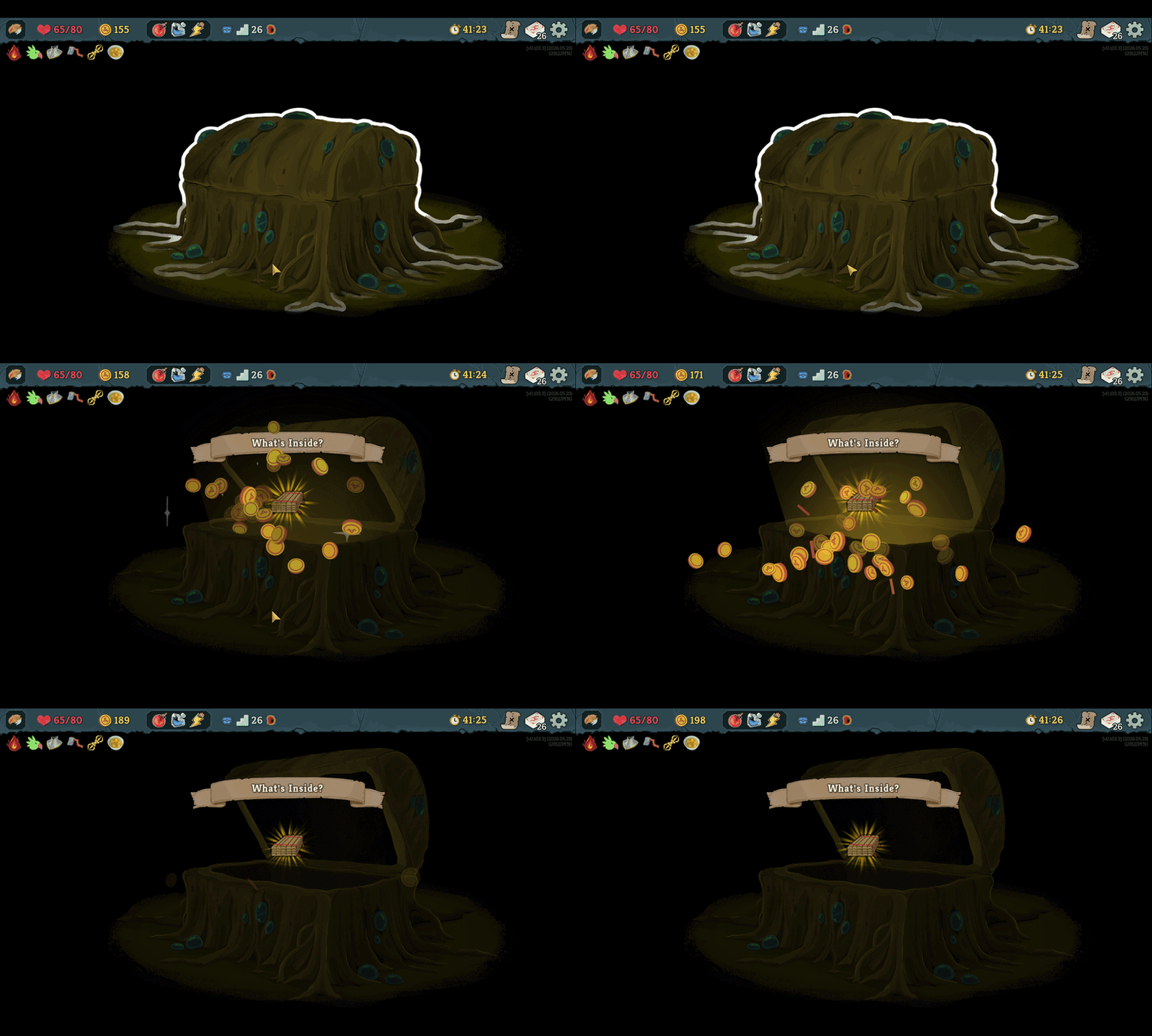
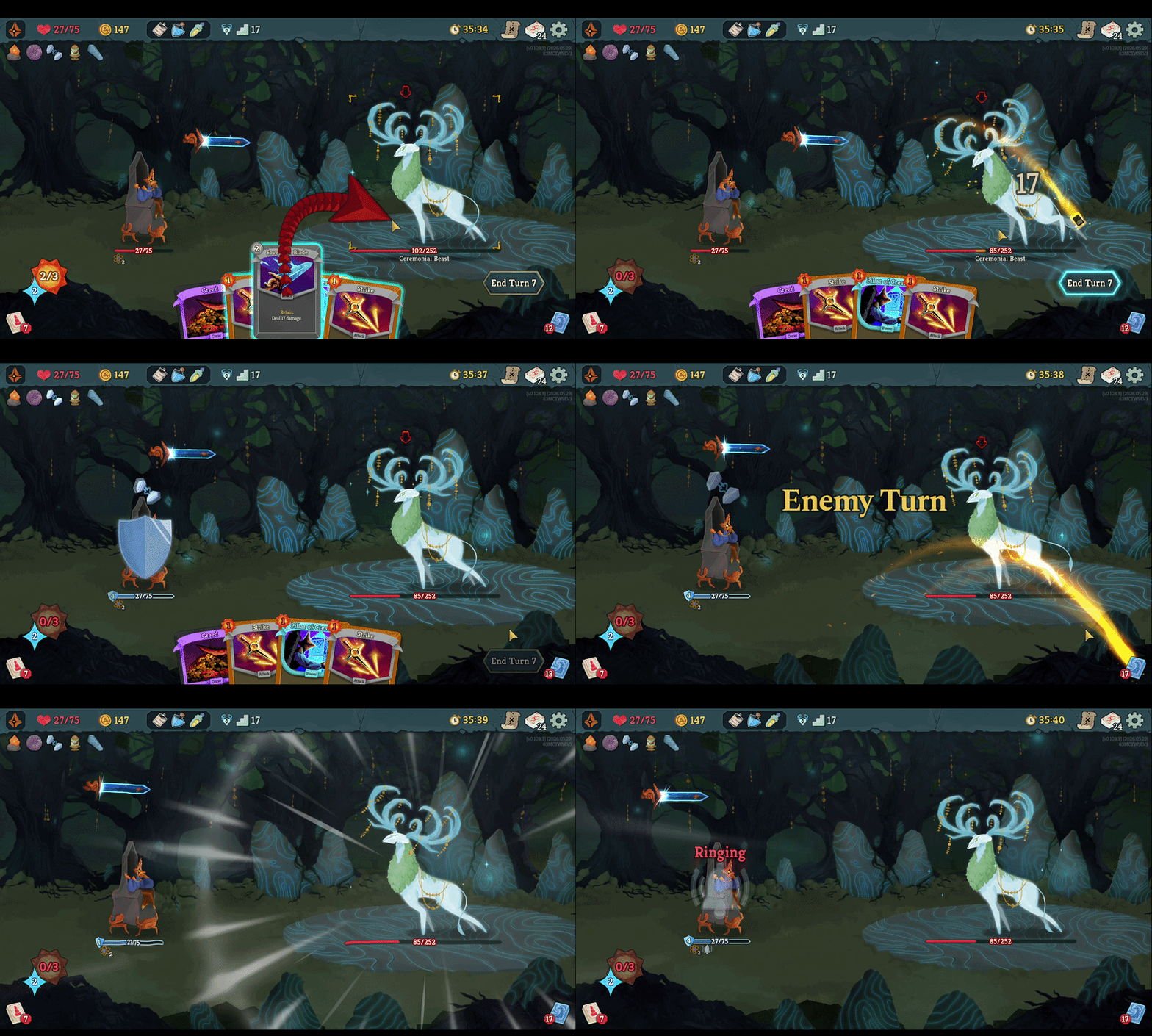
The first thing that smacks you in the face about the new instalment is this: the Spire and everything in it has had a makeover, and it looks beautiful.
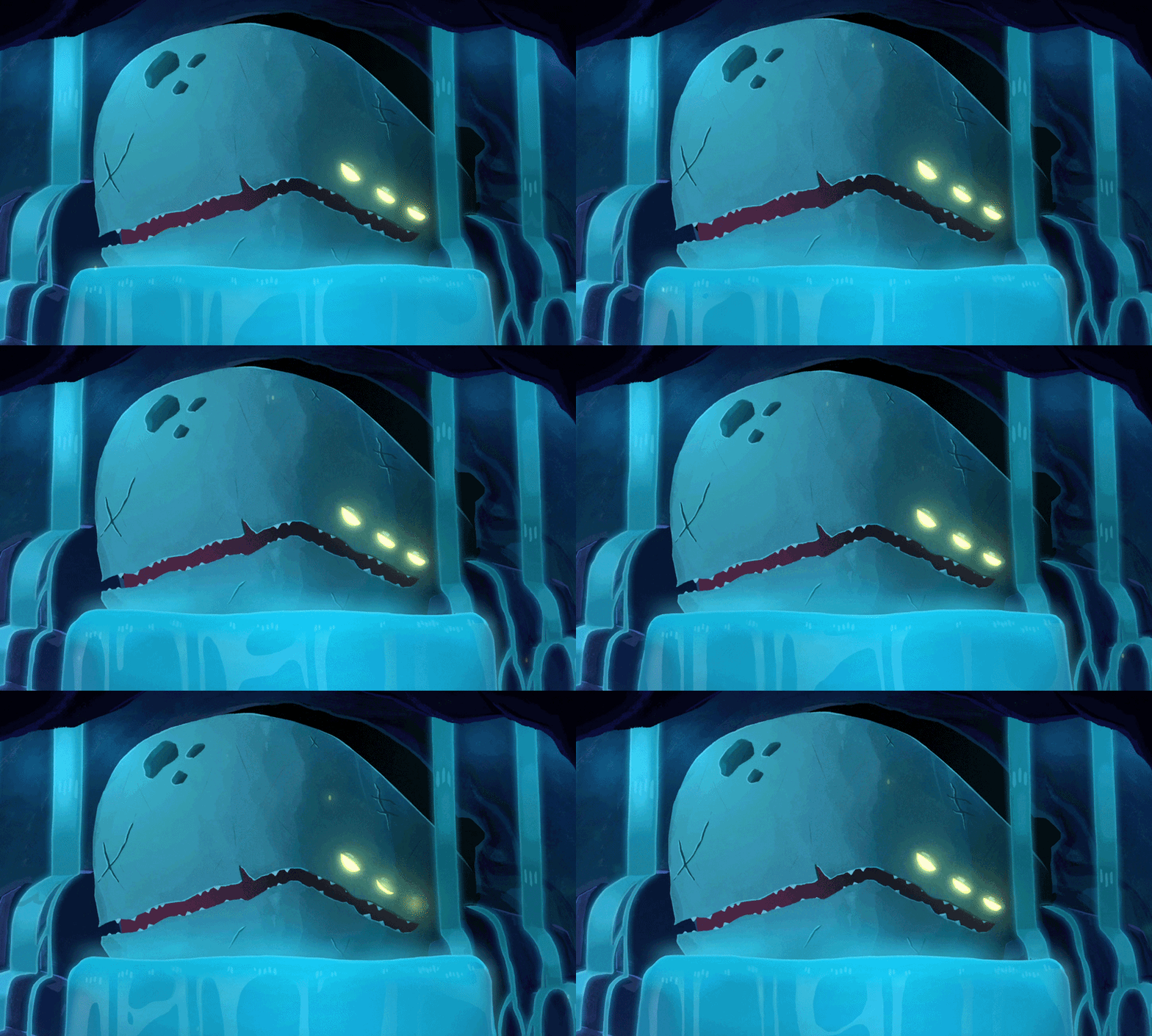
The art has fantastic visual depth, particularly combat scenes, and more fluid, animated and interesting movement from enemies. I did note some issues with crunchiness in these animations sometimes, but lowering my framerate limit mitigated this a bit. And while some visual effects may cause discomfort, there’s an option to turn off the more problematic ones in the settings.
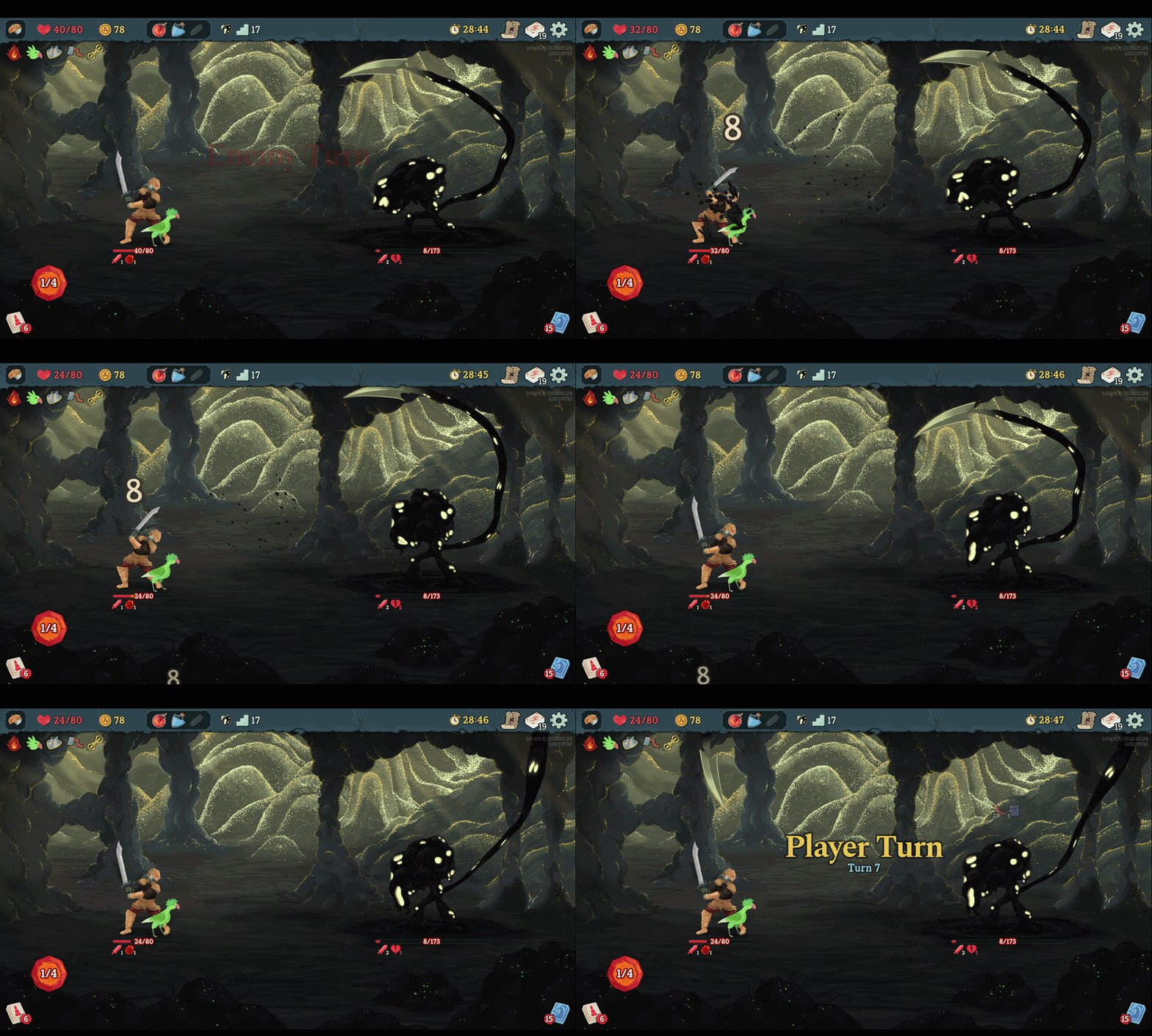
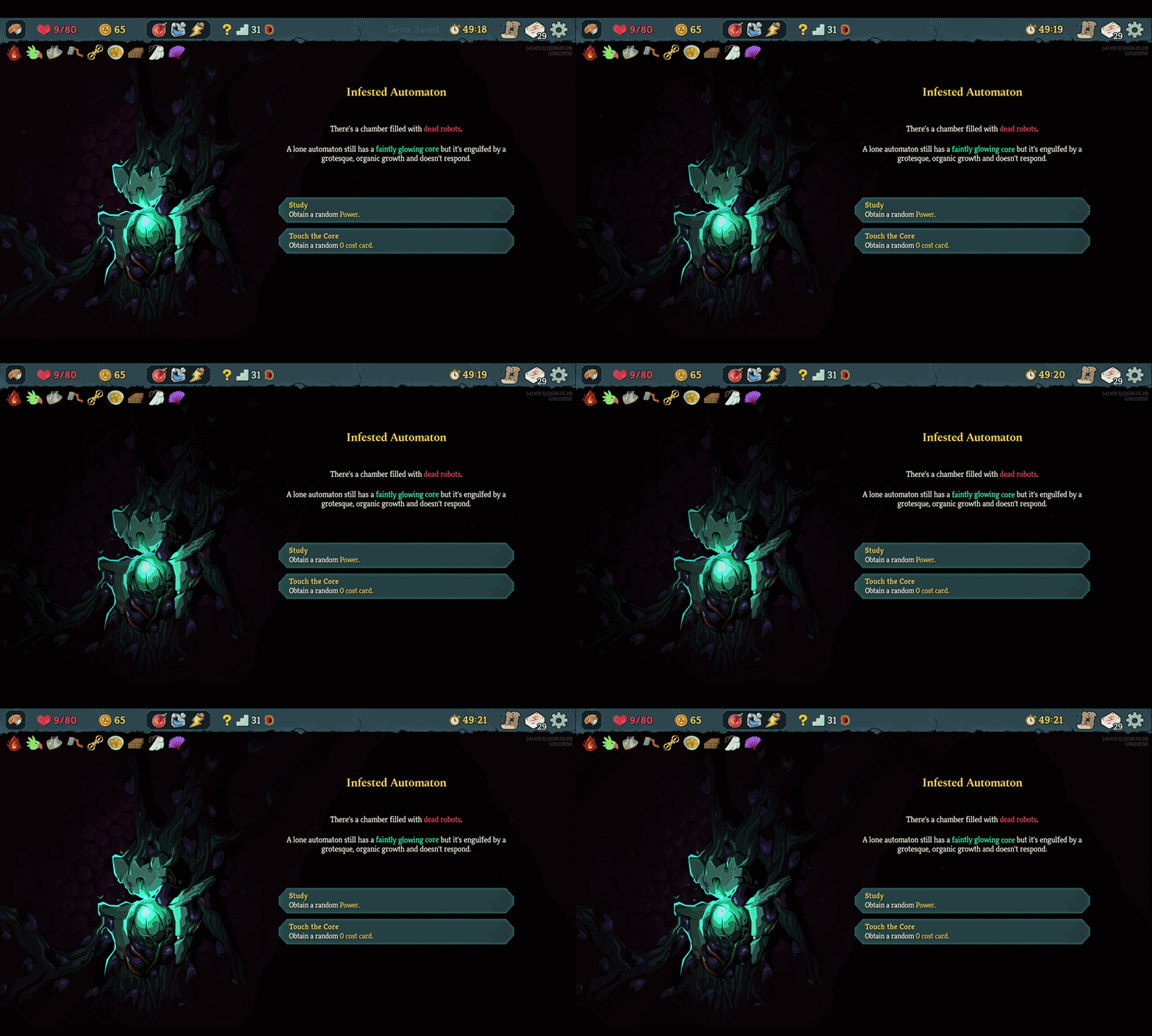
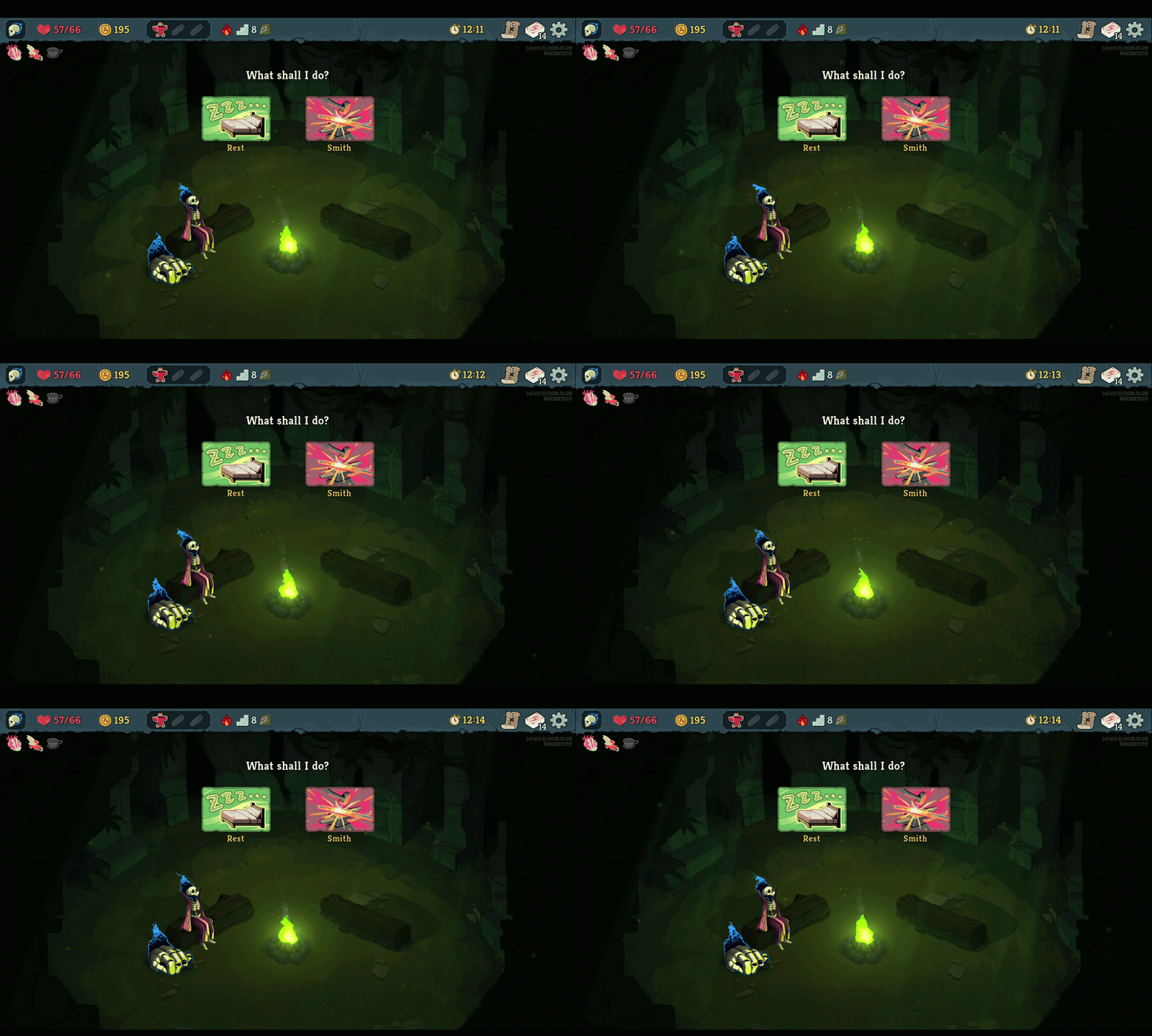
Meanwhile, character design is more textured and interesting, rare cards glow in a way that marks them more distinct, and everything just has a little more dazzle. My favourite part of this is the art in places like character splashes, event scenes and rest sites, which now confidently take up more space on the screen and sink you into them. It’s visibly showing off a budget upgrade, and it all breathes deeply — I’ve gone off about well-rendered movement in art repeatedly before, so I won’t belabour the point, but I love how these scenes drift and glow and generally feel alive.
Unlocking the lore behind the endless ascents is an understated part of the design, and the appeal, of the first StS. The sequel seizes and builds upon this aspect, making it very clear that there is a story behind the Spire, and it’s something you have to earn.
It does so with unlockable ‘epochs’: little flashes of narrative that are unlocked by accumulating scores or making progress with certain characters, alongside your more familiar rewards of new cards and characters to play with. Not in order, mind; the most foundational elements are unlocked with the first run, but piecing together the fragments of story as they reveal themselves adds an extra bit of interest.
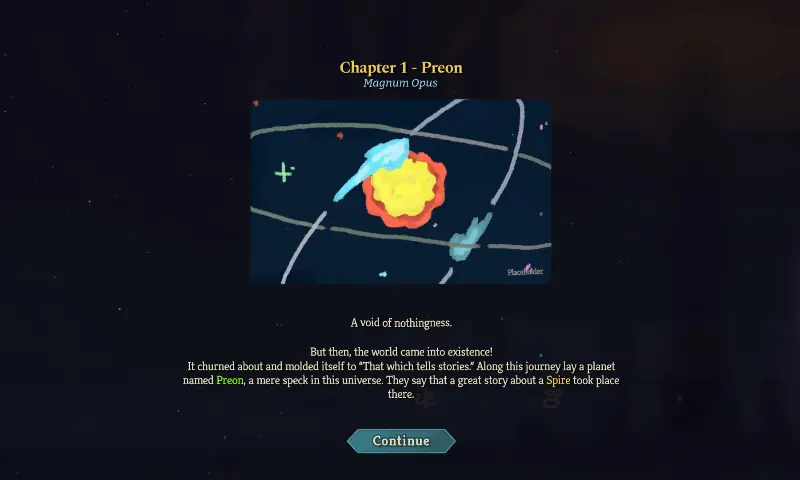
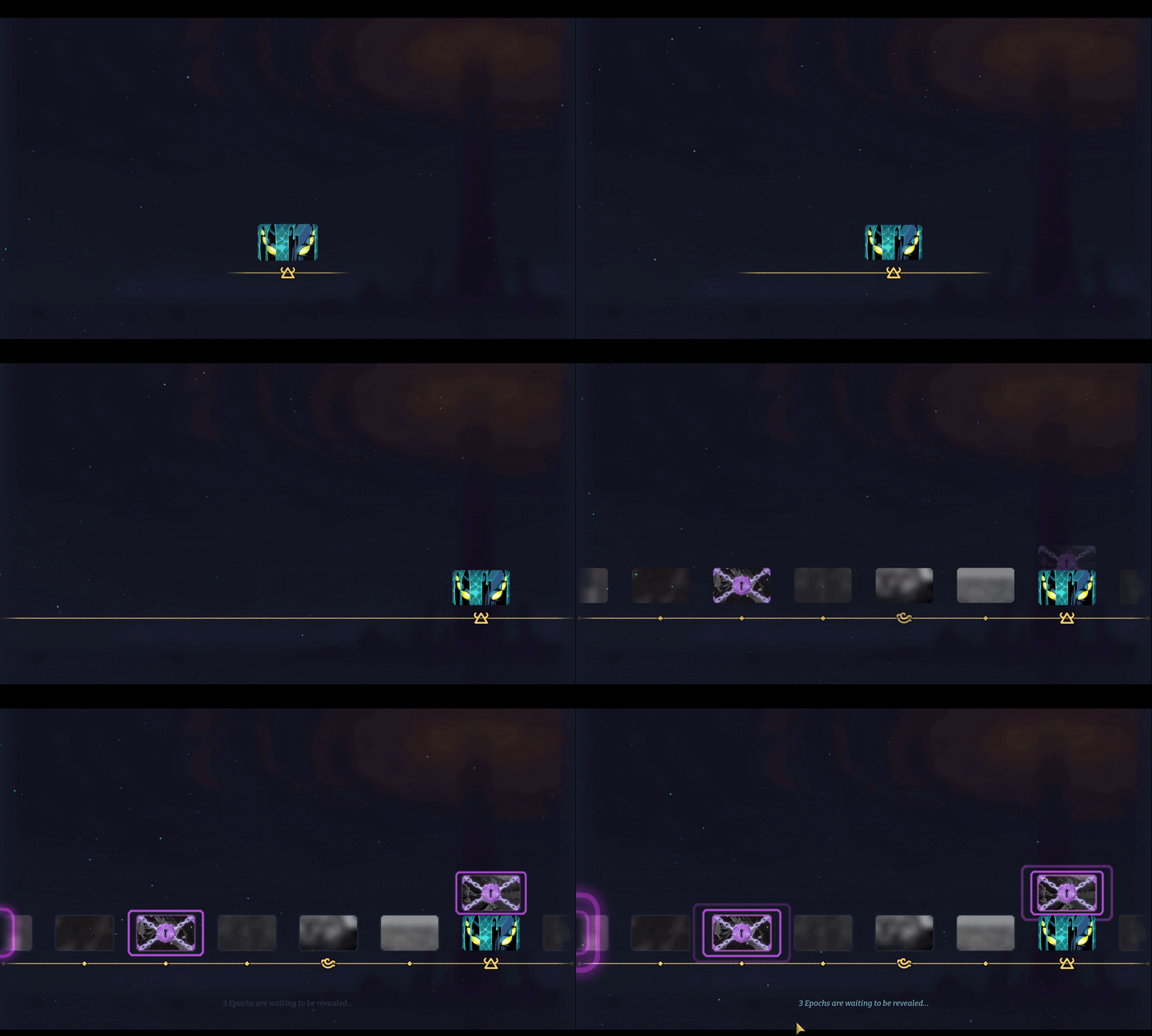
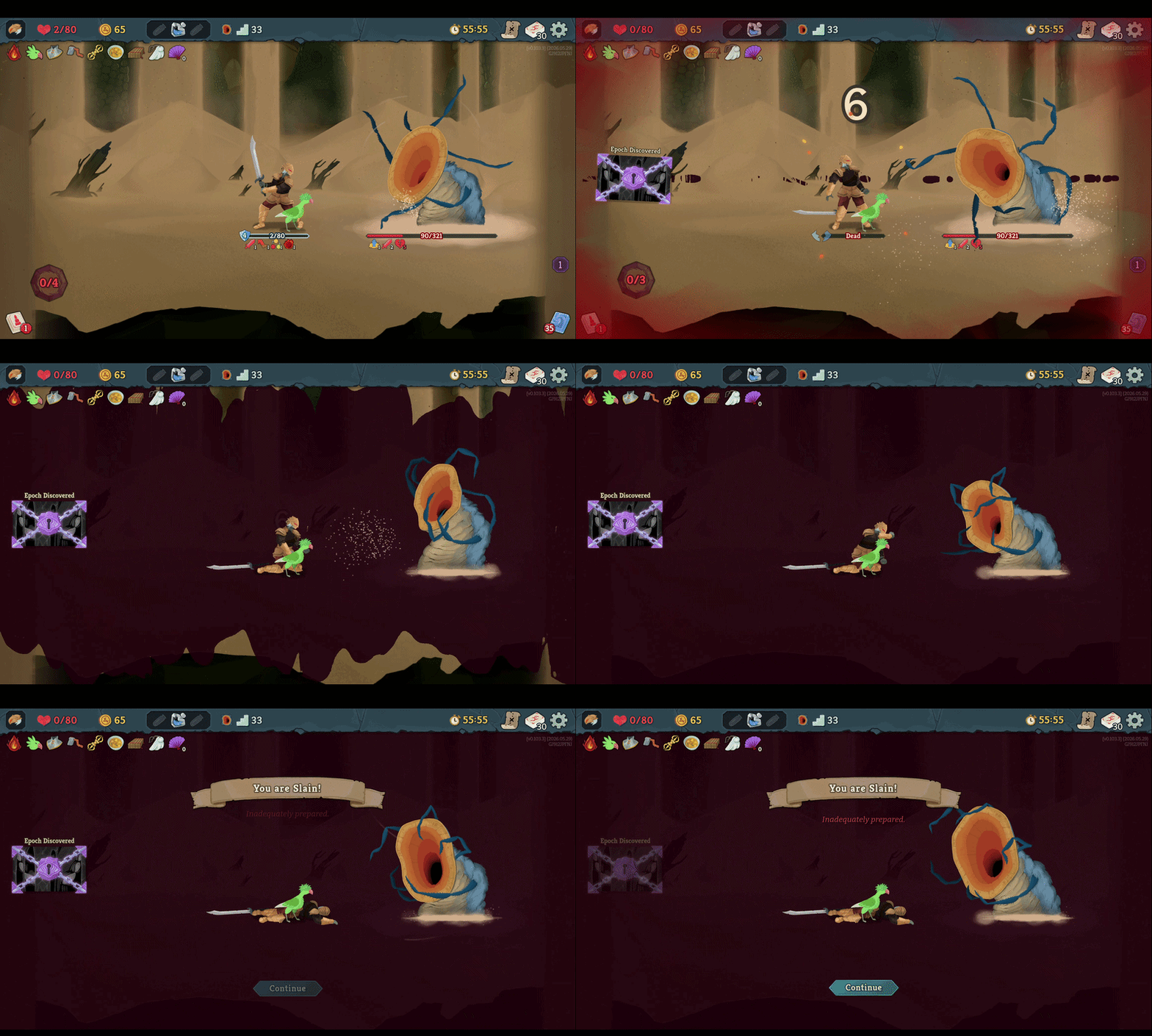
I’m a big fan of these epochs. Not only do you start seeing the fruits of your labour right away, but you also rapidly get a sense of how much there still is to discover in the game, encouraging more play. For those who struggle with the feeling of ‘starting from scratch’ or losing progress in roguelike games, this is a great way to give people something to look forward to immediately after a run, even as their character eats blades or dies face-down in quicksand or whatever.
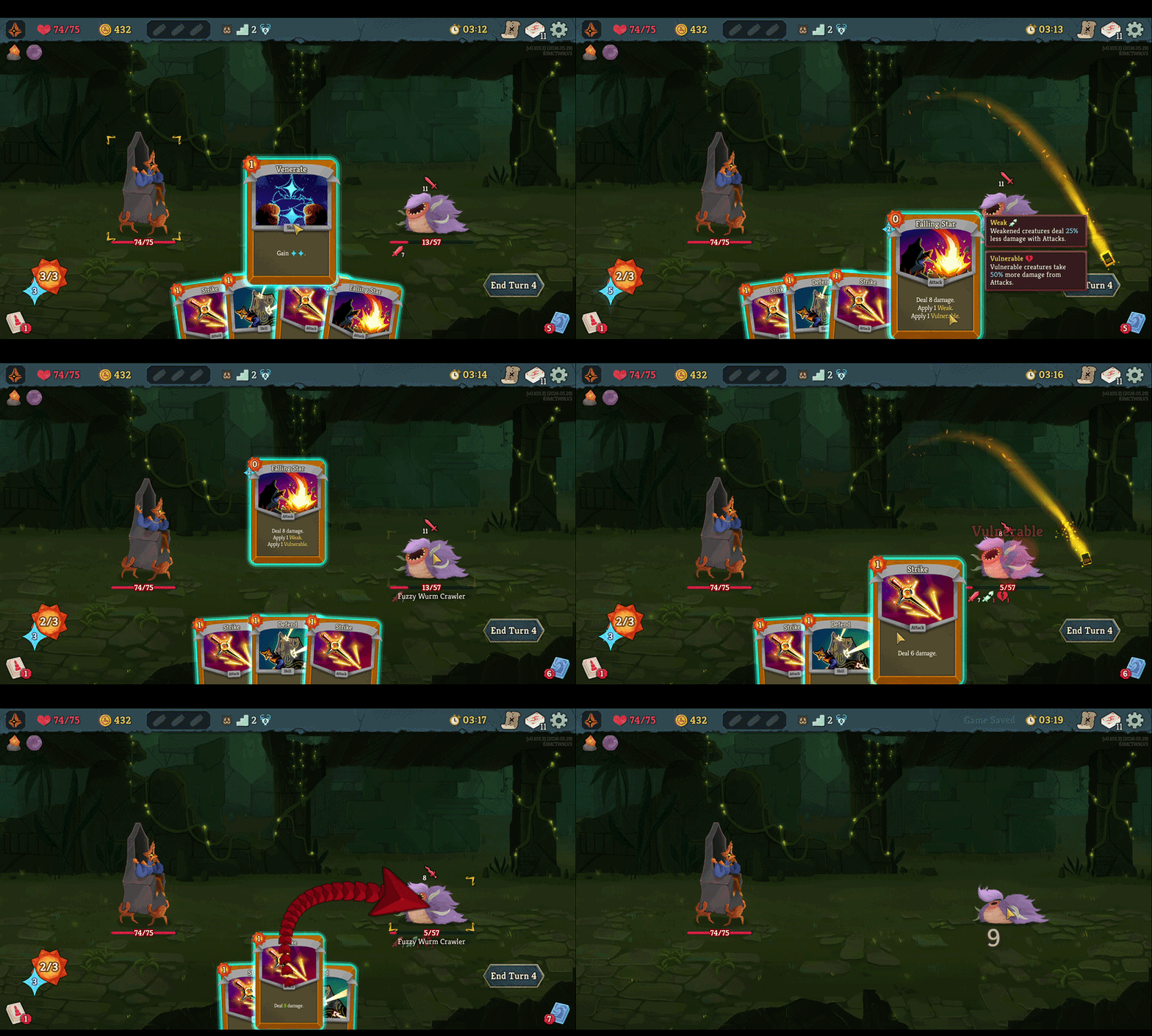
Having now played the original StS, I’m happy to immediately see the return of its core three player characters and their already-fantastic combat styles: the Ironclad, a typical warrior; the Silent, a sneaky assassin; and the Defect, an automaton with mage-like elemental powers. If you’re just stepping into the world, they’re great fun to play, and if you’re familiar with them… they’re still great fun to play, honestly.
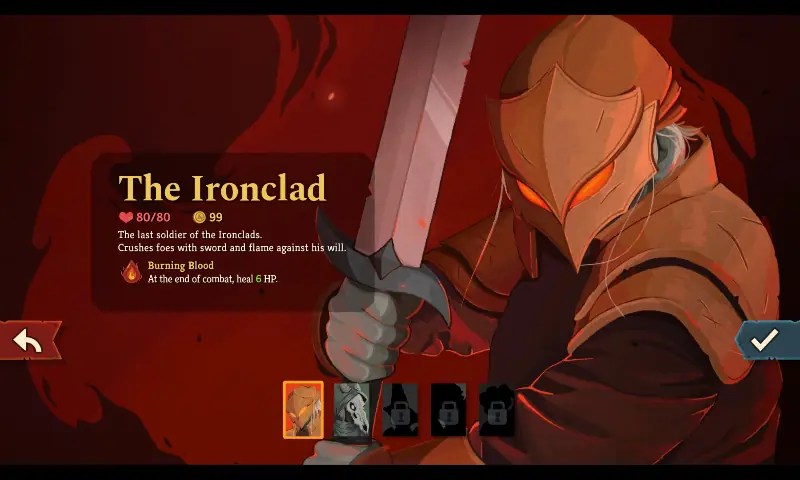
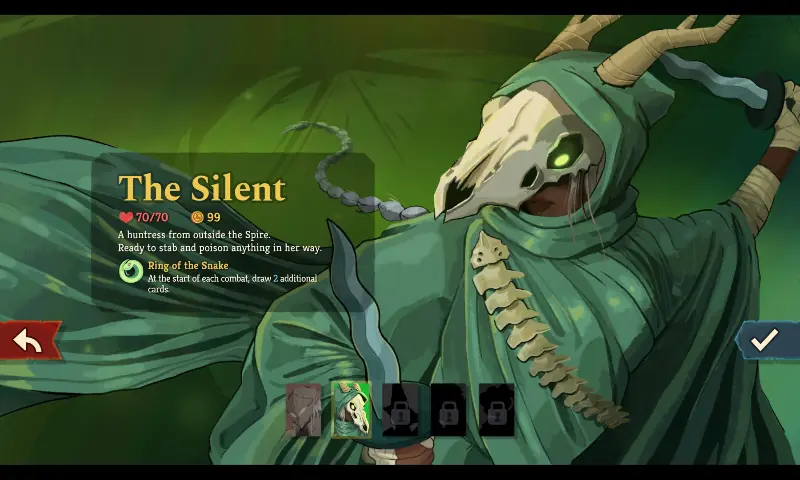
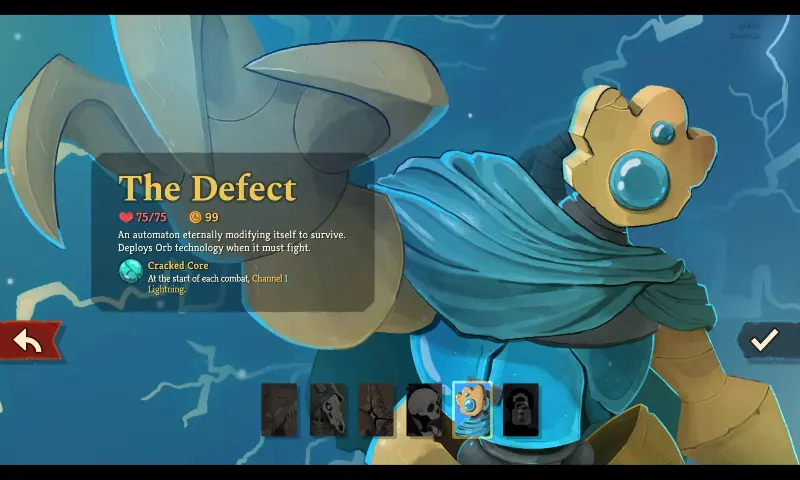
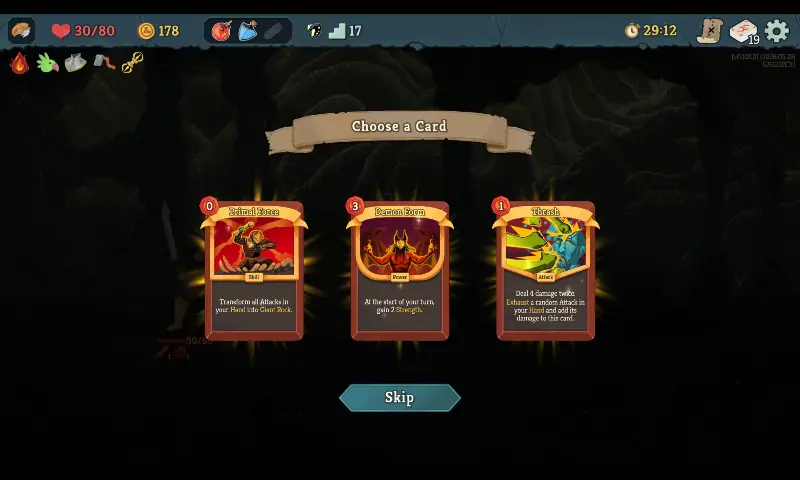
Key to this is that StS2 adds some new shine to these characters’ decks, keeping familiar cards but adding a healthy dose of new ones. In my opinion, this is a pretty vital balance to strike, so that returning fans aren’t immediately underwhelmed by the sameness — especially since the Ironclad and Silent are still the first characters you’re allowed to use. That being said, the somewhat greater number of mechanics might end up overwhelming completely new players to start. My verdict on the success of this venture has yet to solidify, but I can at least appreciate the intent.
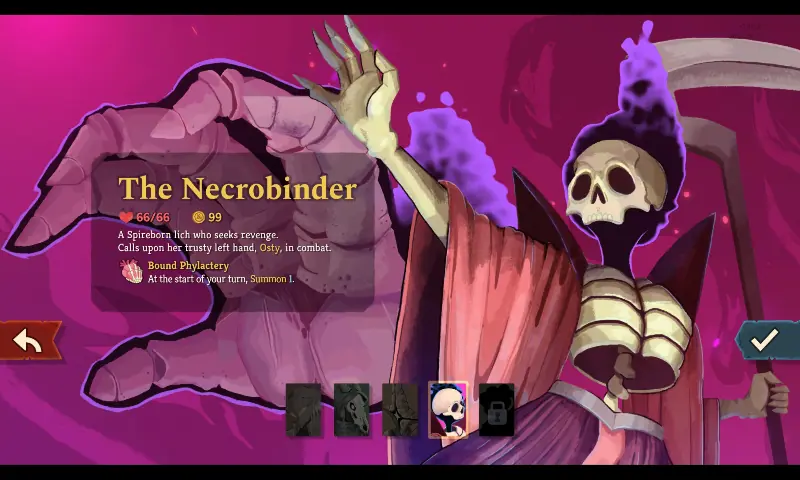
Notably, however, you don’t have to spend too long with these old friends if you’re ready to move on. As soon as you’ve played once as the Silent, you start unlocking fresh faces: the Regent, an extra-terrestrial ruler with some vaguely celestially-flavoured abilities; and the Necrobinder, a vengeful and kind of awesome skeletal spellcaster with a familiar that’s a giant bony hand.
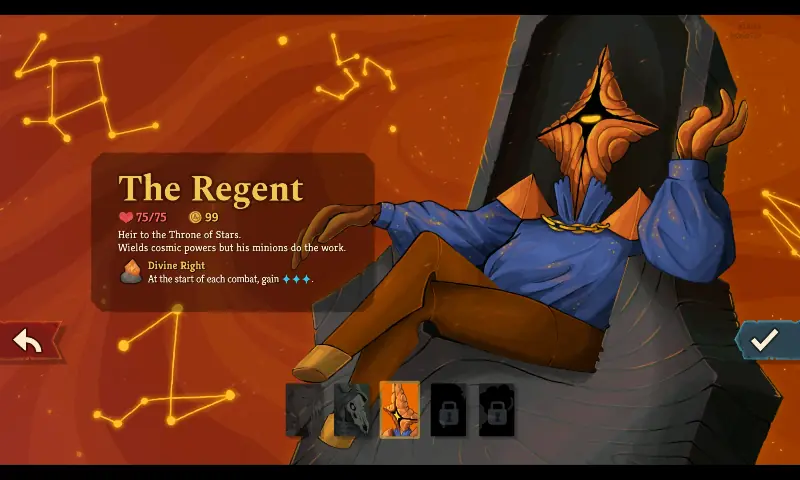
Can you tell I have a favourite of the two? I admittedly have yet to give the Regent more of a chance to impress, but I’ve so far found this overcooked galette’s gimmick to essentially be “two types of energy instead of one”. It’s not bad, but it can feel like an unnecessary complication that just makes it harder to play cards, while the distinction between ‘stars’ and ‘energy’ doesn’t feel particularly meaningful. If there was something more distinctive about what the stars could do — for example, providing a healing component or unique status effects — I might feel differently.
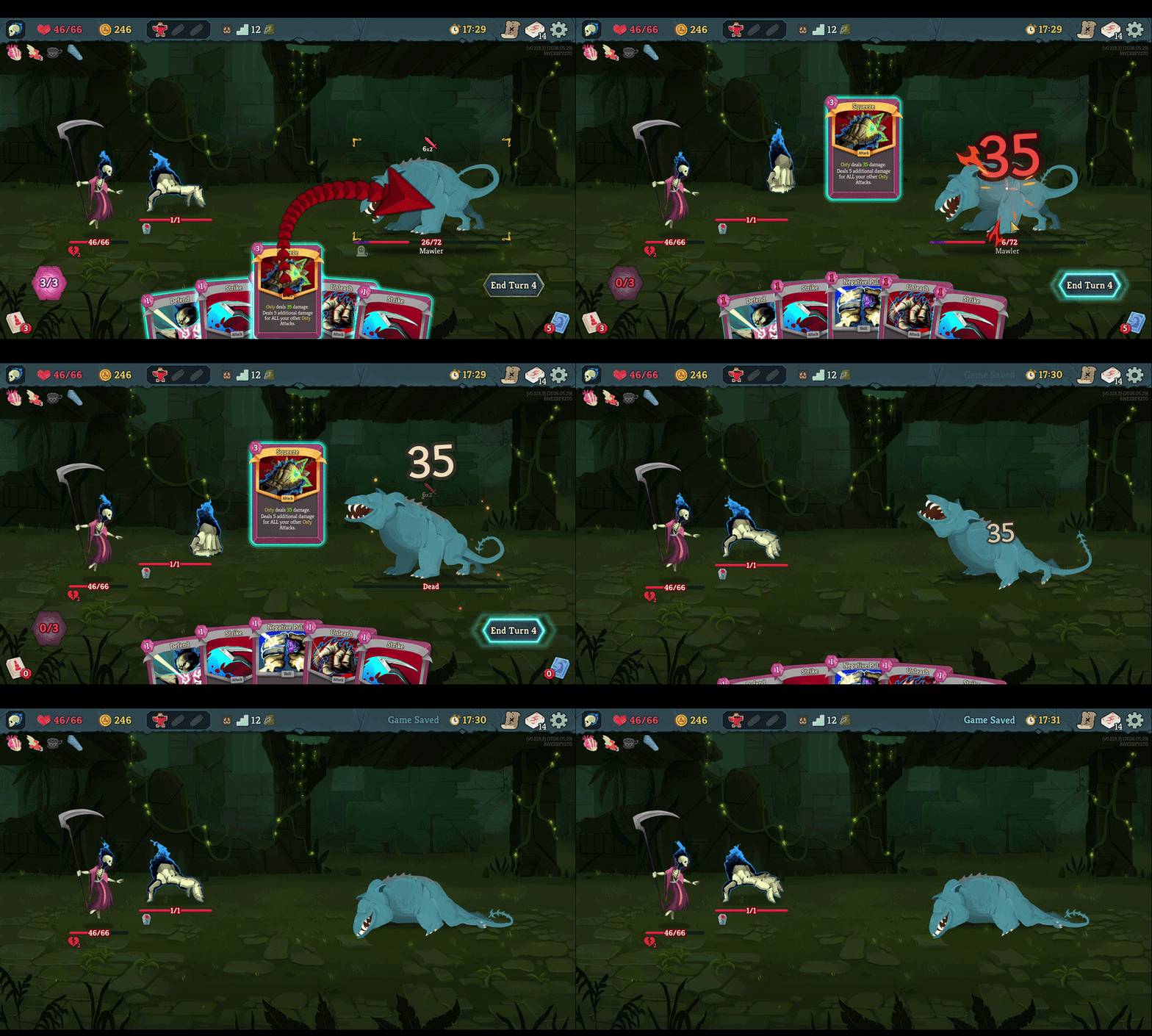
The Necrobinder, on the other hand, immediately captivates me. That might be because she looks freakin’ sick, or it might be because her familiar, Osty, is an intuitive gameplay mechanic to figure out and genuine fun to use. I am immediately leaning towards using her more than the other guy — does that say more about the game, or me? You decide.
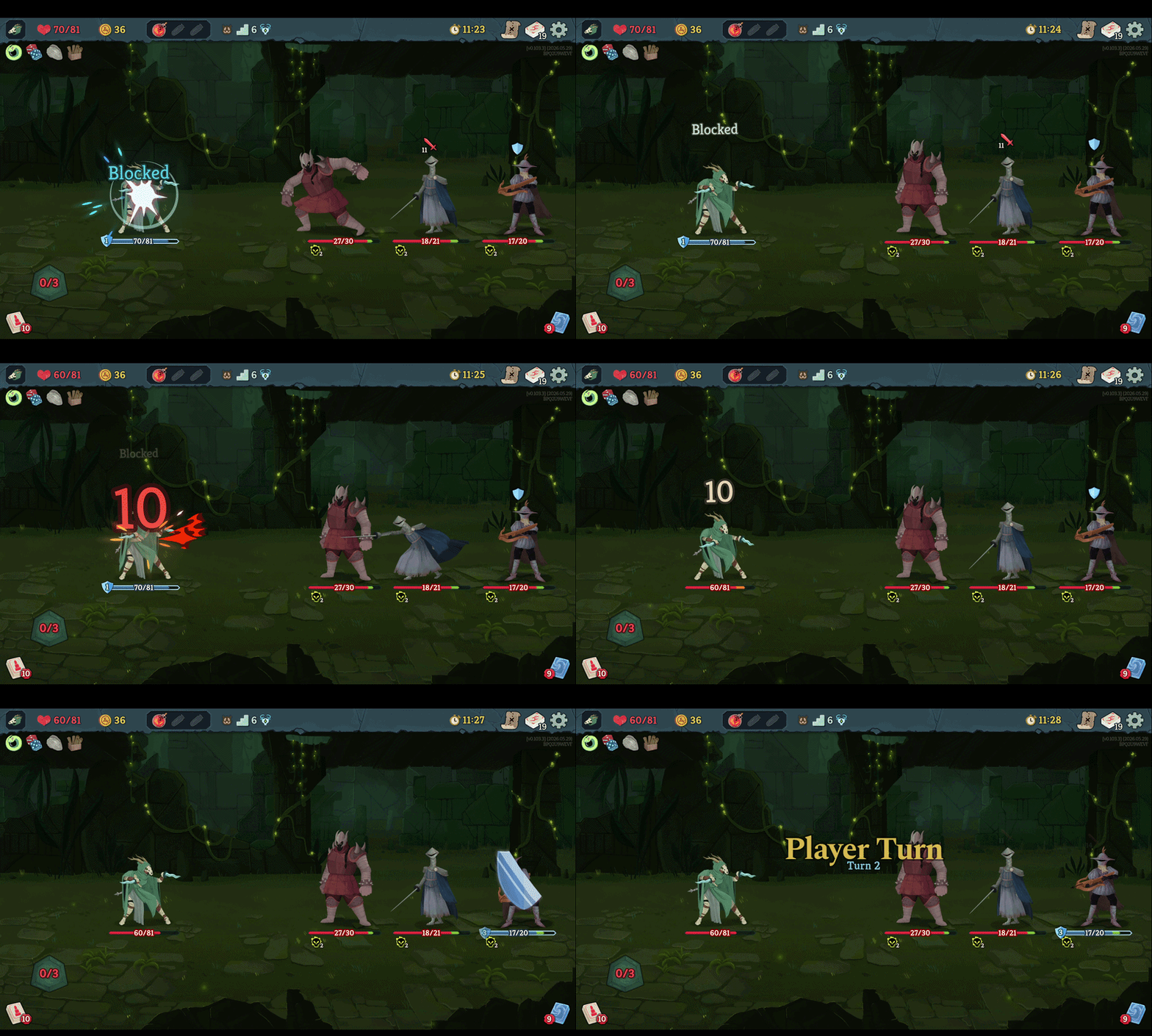
What this sequel has done extremely well already is demonstrated that it is far from out of ideas. The Spire is still the Spire, but not as one knew it: it’s made afresh and thriving with entirely new enemies, elites, bosses, items, events and encounters.
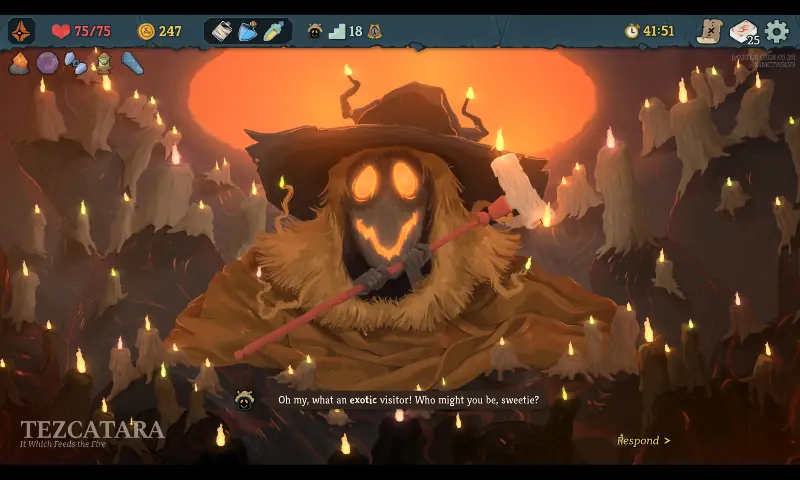
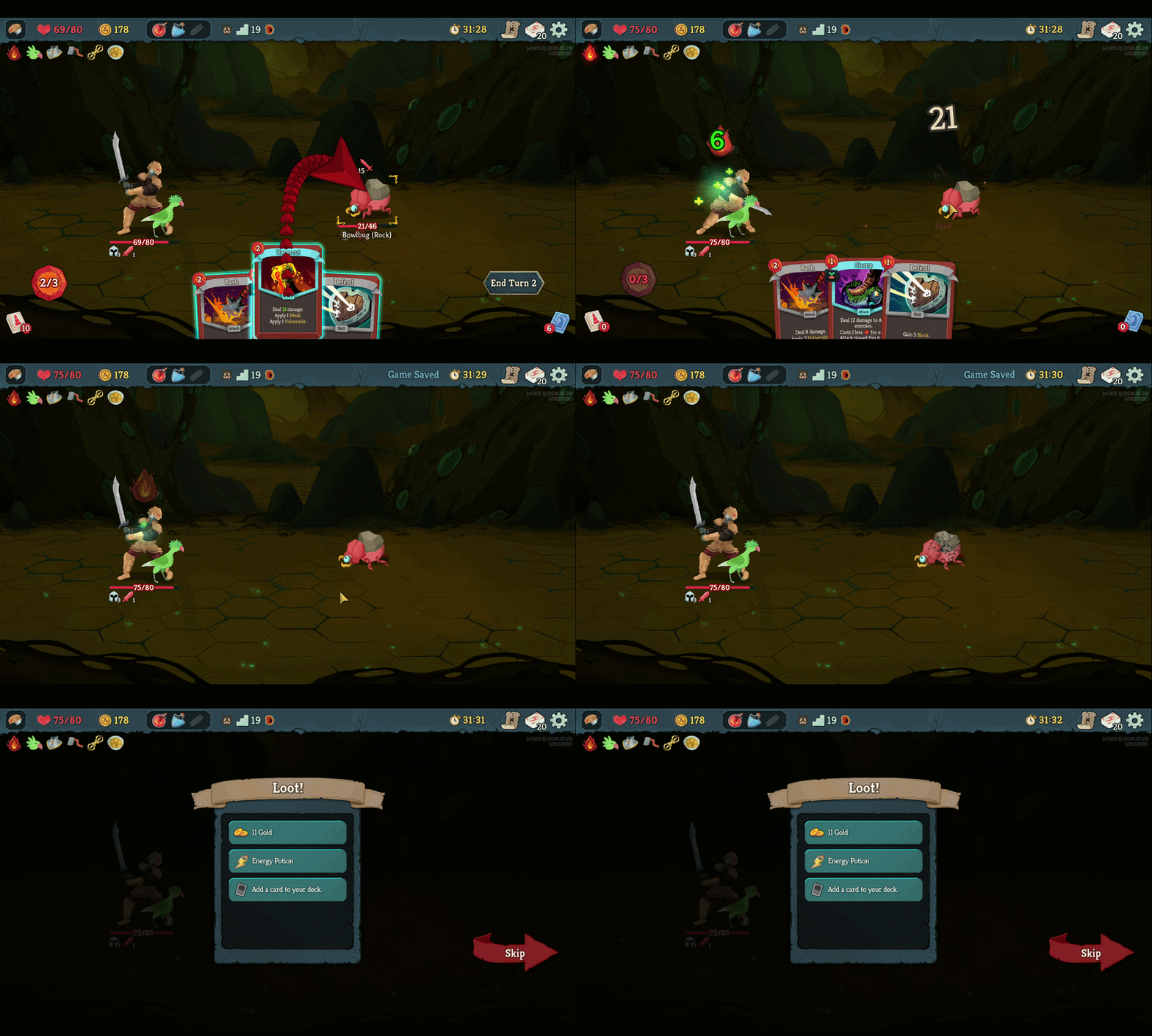
For example, on my very first run, I found an egg and hatched it into a cute bird companion. Extra points.
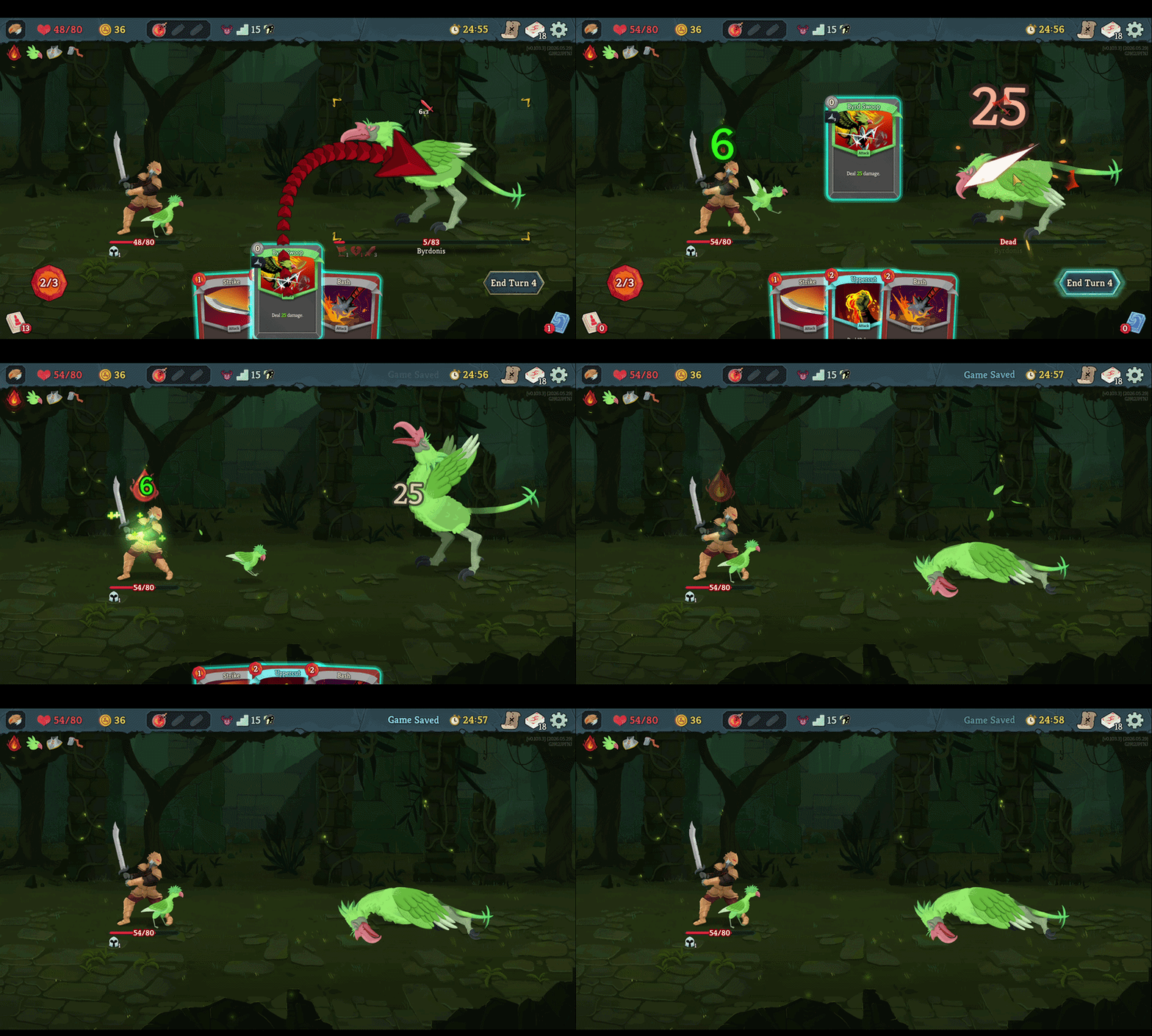
This, honestly, is what has stopped any of StS2 from feeling too similar to StS1. While retaining the concept, characters, gameplay structure and combat mechanics, the content is new and interesting enough that even seasoned players won’t find it boring or overly predictable. Meanwhile, the writing remains enigmatic but promising, keeping the player invested in learning more about the whole deal with this place.
I will only make a very minor comment about how wordy some of the text boxes are. It’s not a huge thing to mark, nor a real flaw, but this game can sometimes get really into describing your journey and explaining your options in detail. Since the first game proves that it doesn’t need to be particularly verbose to tell its story, I wonder why this one makes the choice to deal in just a little too much text to flow well at times.
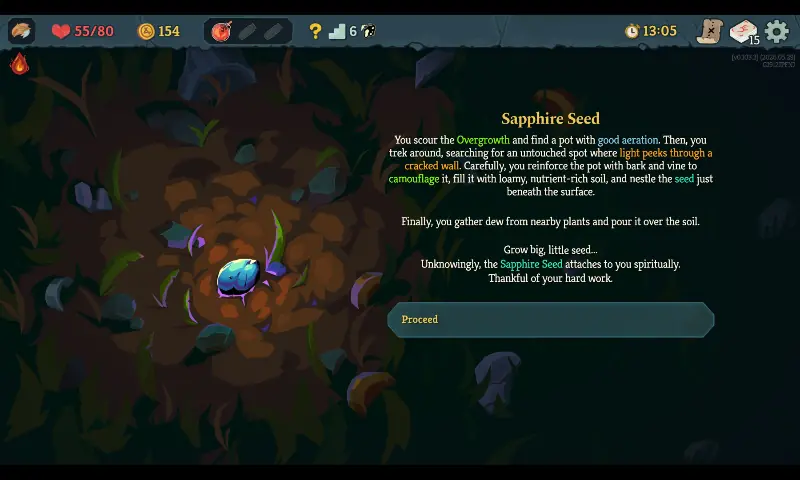
Above all, I’m pleasantly surprised by how StS2 is confidently faithful to its own roots. Nothing about this game suggests a fixation on outdoing its predecessor or outgrowing the features that endeared it to people in the first place — rather, it’s a game that knows exactly where its strengths lie, and has the resources to sink into each aspect, creating a game experience that’s familiarly fun, but polished and dressed in a sharp new suit.
This is just from the first several hours of playing, at that. I’m by no means done evaluating this game, and am still interested in whether my investment will continue to pay off as I progress. For now, I’m having a great deal of fun.
if you want to get more information about this news then click on below link
More Detail