-

-
-
Loading
Loading

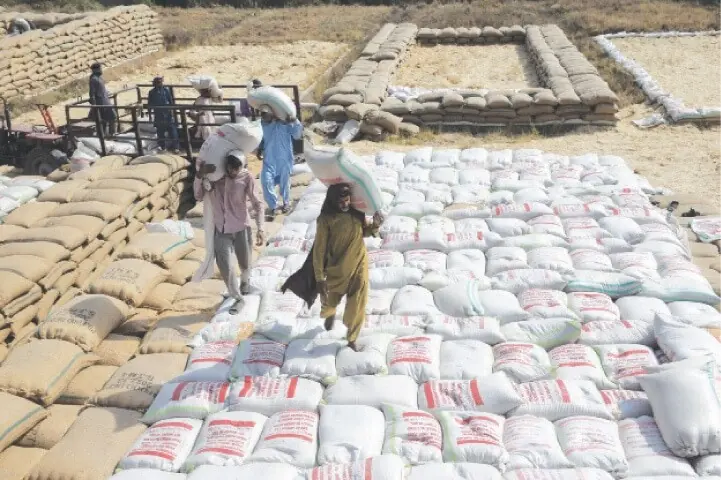

LAHORE: The Pakistan Flour Mills Association (PFMA) has urged the federal government to immediately approve wheat imports, warning that the country can face a flour shortage by December if timely arrangements are not made, despite the Punjab government’s decision to release official wheat stocks to stabilise the market.
PFMA Chairman Asim Raza said in a statement on Tuesday that wheat was currently selling between Rs4,300 and Rs4,500 per maund across Punjab, a sharp increase that was pushing up flour and bread prices and placing an additional burden on consumers.
He welcomed the Punjab government’s decision to release wheat from its official stocks, describing it as a positive intervention that would help stabilise market prices and discourage speculative trading.
“The release of government wheat will improve market supplies and help eliminate the artificial shortage created by hoarding,” he said, adding that the measure should ultimately contribute to lower flour and bread prices if implemented effectively.
Millers say Punjab stocks release alone unlikely to do away with volatility
However, Raza cautioned that the release of provincial stocks alone would not be sufficient to ensure uninterrupted supplies during the coming months.
He urged the federal government to simultaneously decide on wheat imports to bridge the expected supply gap, warning that delays in procurement could result in a fresh flour crisis by December.
“If import decisions are postponed, the country may once again face shortages and sharp price increases later this year,” he said.
The warning comes amid continued uncertainty in Pakistan’s wheat market following a significant reduction in public procurement this year. Unlike previous years, provincial governments made limited wheat purchases, leaving the private sector to dominate procurement and storage.
Agriculture experts have repeatedly cautioned that while the government’s market-led policy has reduced fiscal pressure associated with carrying large wheat stocks, it has also increased the market’s dependence on private inventories, making prices more vulnerable to speculation and supply disruptions.
Pakistan harvested a relatively healthy wheat crop this year after favourable weather conditions, but analysts have noted that the absence of sizeable government buffer stocks could create supply management challenges later in the marketing season if demand rises or private stocks are withheld.
The country has alternated between exporting and importing wheat over the past few years depending on domestic production and policy decisions. Market watchers have stressed that any decision on imports should be taken well in advance because international procurement, shipping and inland distribution require several months.
Raza said timely imports, coupled with the release of official stocks and strict action against hoarding, would help maintain price stability and protect consumers from another surge in flour prices during the winter months. He urged both the federal and provincial governments to formulate a coordinated wheat supply strategy to avoid a repeat of past shortages.
Published in Dawn, July 15th, 2026
if you want to get more information about this news then click on below link
More Detail