-

-
-
Loading
Loading

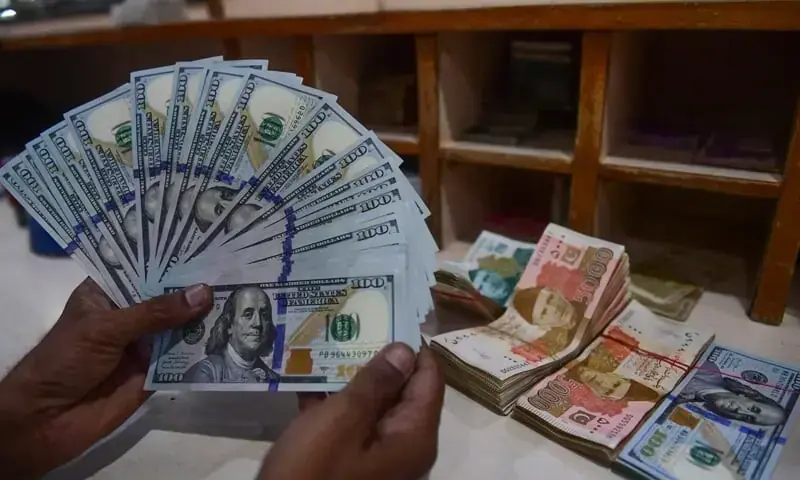

KARACHI: An artificial exchange rate not only discourages exporters but also poses a major hurdle to foreign investment, particularly in the exportable manufacturing sector, said exporters, who expressed their dismay over the policy.
For the past year and a half, the dollar-rupee parity has been managed, and the local currency has continued to appreciate against the greenback, bit by bit. During the last 18 months, the rupee appreciated by at least Rs4 against the US dollar.
Exporters stated that the record imports increased the trade deficit to $39 billion in FY26, offsetting the substantial remittance inflows of $41.5bn.
Almost all regional currencies, including those of India and Bangladesh, depreciated against the US dollar, while the greenback weakened against the rupee for no apparent reason.
Cheaper dollar fuels unnecessary imports, widening trade gap
The government and the State Bank of Pakistan believe that a stronger rupee brought stability to the economy, but exporters found it detrimental to economic growth.
“Exporters have been losing markets due to the high cost of production, which is 12pc higher than in China, meaning we cannot compete in the international market,” said Javed Bilwani, an exporter and former president of the Karachi Chamber of Commerce and Industry.
“The solution to this problem is different. Instead of opting for artificial currency appreciation, there should be gradual depreciation to make Pakistani goods competitive,” he said, adding that it was the only way to help boost export proceeds, allowing industry to save some money for reinvestment.
Due to the weaker dollar, exports failed to grow while imports surged. Exporters said this is the first time Pakistan has imported cars in bulk, pushing up the total import bill and creating a huge trade deficit.
Some analysts noted that the Real Effective Exchange Rate (REER), which should be below 100, has risen to 106.4, a clear indication that the rupee is being kept at an artificial level.
“This is highly discouraging for foreign investors and is reflected in the very low investment, which is declining each year,” said a financial expert.
Amir Aziz, an exporter, said the policy of dollar depreciation is not only discouraging but is also prompting exporters to close their businesses. He said all regional countries, such as China and Iran, are smuggling into the Pakistani market. China is already the largest exporter of goods to Pakistan, but under-invoicing and smuggling continue.
Amir said the high interest rate is also pushing production costs. Recently, the State Bank kept its policy rate unchanged at 11.5pc.
Exporters have been provided with a number of incentives, including subsidised loans, but they have found them of limited help, as the manufacturing sector is underperforming and the government has failed to stimulate growth.
The government plans to increase exports to $60bn, and Deputy Prime Minister Ishaq Dar is now willing to double trade with the US to $20bn in five years. Exporters expressed surprise about what this country will export, while manufacturing and related sectors have not grown for the past three years.
Published in Dawn, July 30th, 2026
if you want to get more information about this news then click on below link
More Detail