-

-
-
Loading
Loading

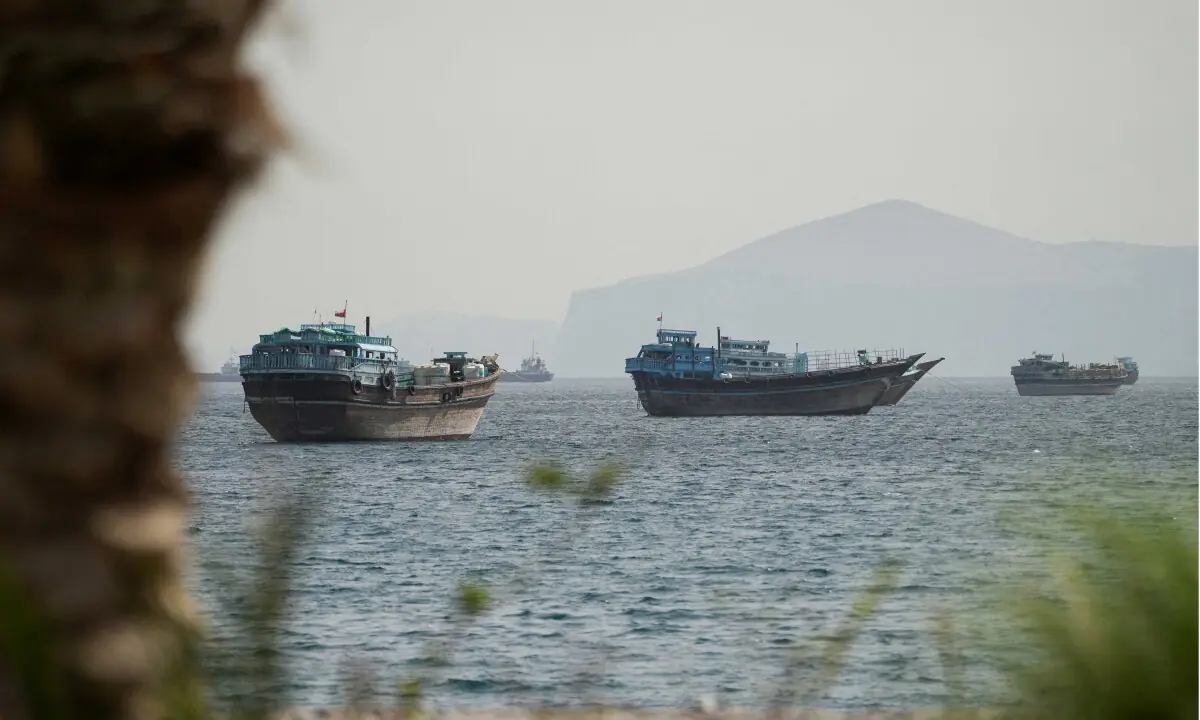

• EU, UK leaders want Hormuz reopened, N-weapons out of Iran’s reach
• Riyadh lauds Pakistan’s mediation efforts; Ankara ‘ready to support’ deal implementation
• Baghaei likens current events to Persian defeat of Rome
• Netanyahu claims Trump has agreed to end ‘nuclear threat’
ISLAMABAD: World leaders have hailed progress towards ending the US-Iran war amid reports that both sides will reach an agreement to end the confrontation that started after the US and Israeli strike on Iran in February this year.
EU chief Ursula von der Leyen welcomed “progress towards an agreement between the US and Iran” to end the Middle East war. “We need a deal that truly de-escalates the conflict, reopens the Strait of Hormuz and guarantees toll-free full freedom of navigation. Iran must not be allowed to develop a nuclear weapon,” the European Commission president posted on X.
UK PM Keir Starmer said, “We need to see an agreement that brings the conflict to an end and reopens the Strait of Hormuz, with unconditional and unrestricted freedom of navigation. It’s vital that Iran must never be allowed to develop a nuclear weapon.”
PM Starmer said his government “will continue to do everything we can to protect British people from the impact of this conflict”. “We will work with our international partners to seize this moment and achieve a long-term diplomatic settlement,” he added.
UK Foreign Secretary Yvette Cooper’s remarks echoed those made by her prime minister. She noted the potential agreement was important and encouraging and vowed to support the negotiations for a durable agreement.
In a statement after their telephone call with the US president, Saudi Arabia’s foreign ministry acknowledged the efforts led by Pakistan as well as Qatar’s endeavours to push for a peace agreement and bolster regional security and stability.
Turkiye said it was ready to provide every kind of support during the implementation of a potential deal with Iran. President Recep Tayyip Erdogan said Ankara favoured the resolution of problems through dialogue and diplomacy. He “expressed his belief that appropriate solutions could be found over the course of the process to the issues that look contentious within the context of Iran, including the nuclear issue”.
Iran’s foreign ministry spokesperson Esmaeil Baghaei seemingly compared the US-Iran conflict to Persia’s defeat of Rome in a post on social media. “In the Roman mind, Rome was the undisputed centre of the world. Yet the Iranians shattered that illusion,” he said.
“When Marcus Julius Philippus (Philip the Arab) marched east against Persia … it ended in a peace established on Sasanian terms: the emperor had to come to terms!”
Iranian-American academic Vali Nasr, meanwhile, analysed the importance of the deal for the new Iranian supreme leader. He agreed that the deal may look like a win for Iran, but Tehran was suspicious of the US intentions.
“But Tehran is not convinced that it is not a dress rehearsal for war now or in 30 days. In fact the more generous the terms for Iran the more the suspicion that US is not serious about peace and wants to distract Iran ahead of another attack,” he said, adding that the “final decision for such a gamble on trusting US will fall squarely on Mojtaba’s shoulders”.
He said this would be the first big decision to be taken by the supreme leader with “big consequences”.
Israeli Prime Minister Benjamin Netanyahu said that he and US President Donald Trump had agreed that any final deal with Iran must fully end the Islamic republic’s “nuclear threat”.
“President Trump and I agreed that any final agreement with Iran must eliminate the nuclear threat entirely. This means dismantling Iran’s uranium enrichment facilities and removing enriched nuclear material from its territory,” Netanyahu said in a statement, referring to a conversation between the two leaders on Saturday night.
Published in Dawn, May 25th, 2026
if you want to get more information about this news then click on below link
More Detail