-

-
-
Loading
Loading


PROS
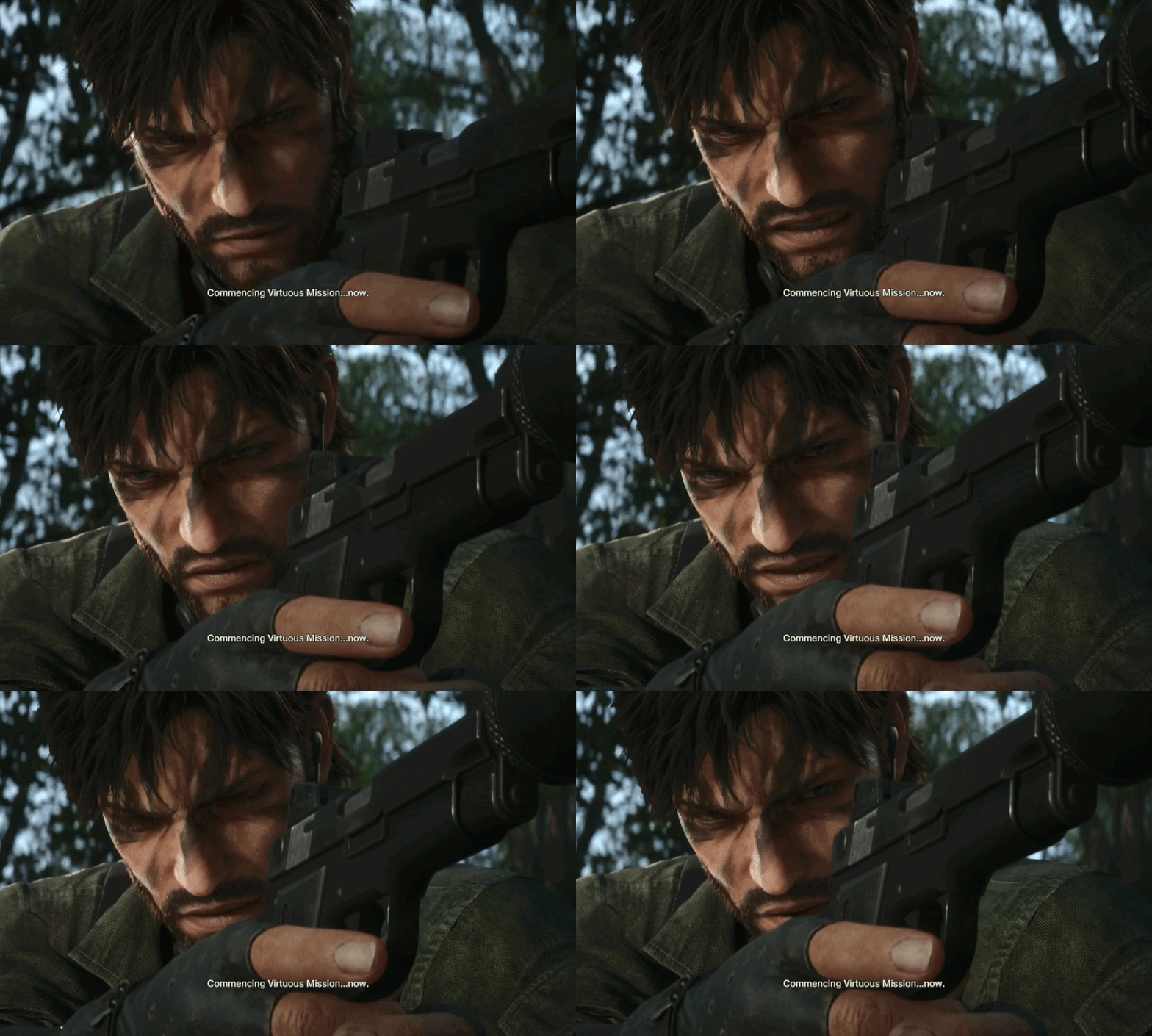
Highly detailed character models and cutscenes
Improved and intuitive control scheme in line with modern standards
Satisfying stealth once you get used to it
Prologue sets the scene for a great story
Amazing soundtrack
CONS
Transitions between levels kill pacing
Can be somewhat unforgiving to the inexperienced
Some animations look recycled
Provisional score: 5/7 — A solid start to a (hopefully) epic adventure
Price (Rs19,000 physical copy, PS5; $70 digital copy, (PS5, Xbox); $32.99, PC (Steam)
Reviewed on PlayStation 5, available on PlayStation 5, Xbox Series X/S and PC (Windows)
If you’re reading this, chances are you’ve heard of stealth-action series Metal Gear Solid (MGS). It’s a series that is as influential as it is iconic, blending video games and cinema in a way that set the benchmark for the industry.
Despite having only played some of the games, I’m a massive fan of the series. I loved MGS 4 when I played it as a teenager and thoroughly immersed myself in MGS V’s game-changing open world design. The franchise means so much to me in fact, that I’ve even listened to an eight-hour video on its extensive (and convoluted) lore.
However, with the acrimonious split between series mastermind Hideo Kojima and publisher Konami, the series was left in limbo until the remake of MGS 3: Snake Eater was released last year.
Featuring a major visual upgrade and a control scheme more in line with modern titles, the remake, stylised as Metal Gear Solid Delta, seemed like the perfect way to play the series’ first chronological entry, which sadly I never experienced on the PlayStation 2. Better late than never, I guess.
Having played through the remake’s ‘Virtuous Mission’ prologue and a few hours of the story, I’m genuinely enjoying myself thus far. Visually, the game is stunning, boasting modern controls that are familiar to current generation gamers, making combat more accessible and enjoyable.
Other than that, it’s the same story as the original, so new and returning players will be able to experience a narrative that is timeless and grounded in reality, over-the-top goofiness and all.
To see how faithful the remake is to the original, I watched cutscenes of MGS 3 on YouTube before sitting down to play. It wears its spy-movie influence on its sleeve, having taken heavy inspiration in particular from the James Bond films.
The remake has captured the cutscenes from the original shot-for-shot, but with far more impressive visuals. The composition and cinematography remain the same, but with vastly improved visual clarity and lighting.
Moreover, singer Cynthia Harrell has re-recorded the game’s iconic theme song from the ground up. It’s similar enough that nostalgia washes over you, while being different enough to feel slightly fresh.
It’s evident that this is where Konami put most of their effort: making sure that the main plot beats and pivotal moments are presented beautifully, while evoking nostalgia.
Let’s dive in further.
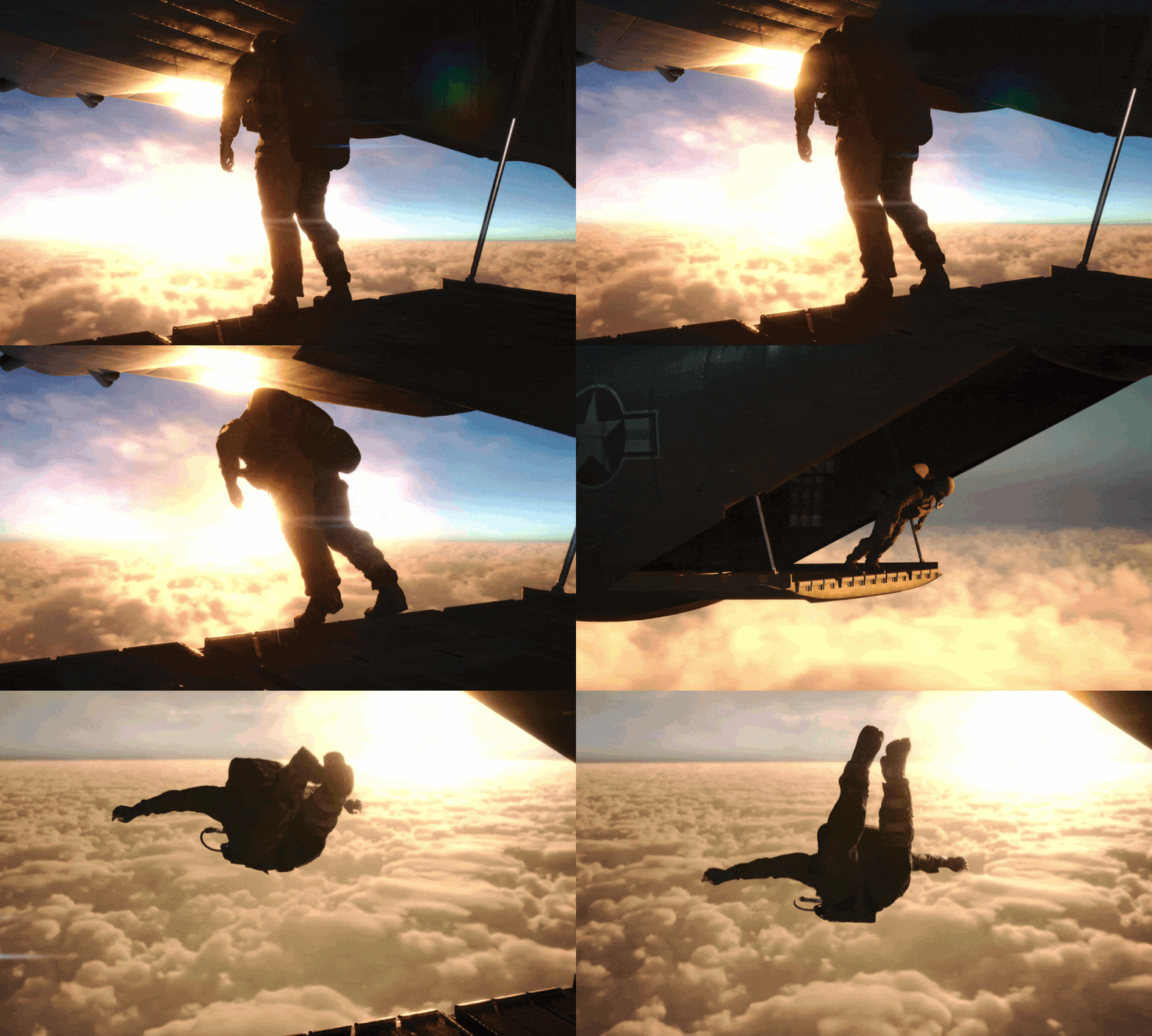
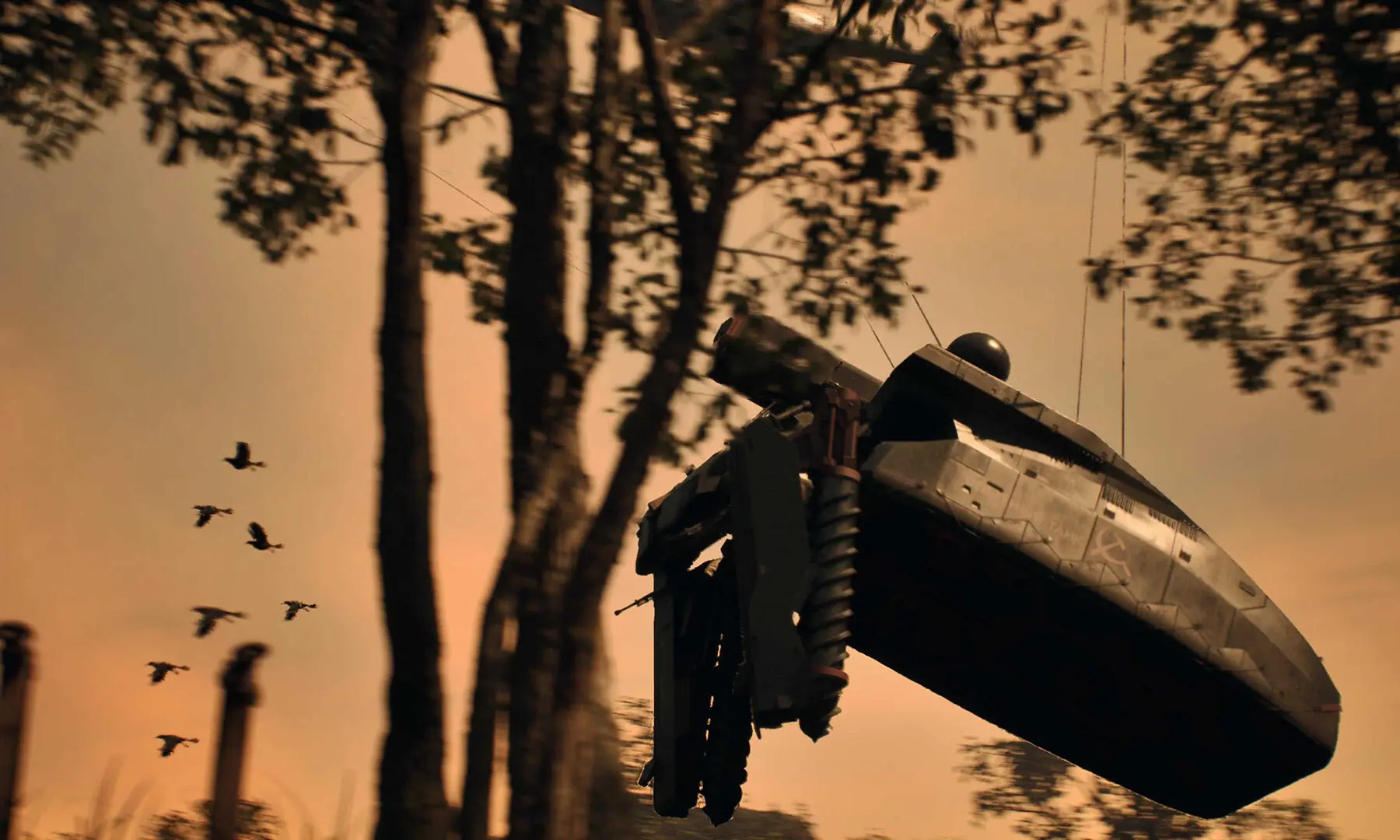
Set in 1964, Snake Eater follows the iconic character Naked Snake (relax, he’s clothed) on his first mission in the Soviet Union. He has been sent by the US to rescue defecting scientist Sokolov and take him stateside, before he can finish the Shagohod — a tank that can fire a nuclear weapon from rough terrain with no supporting units.
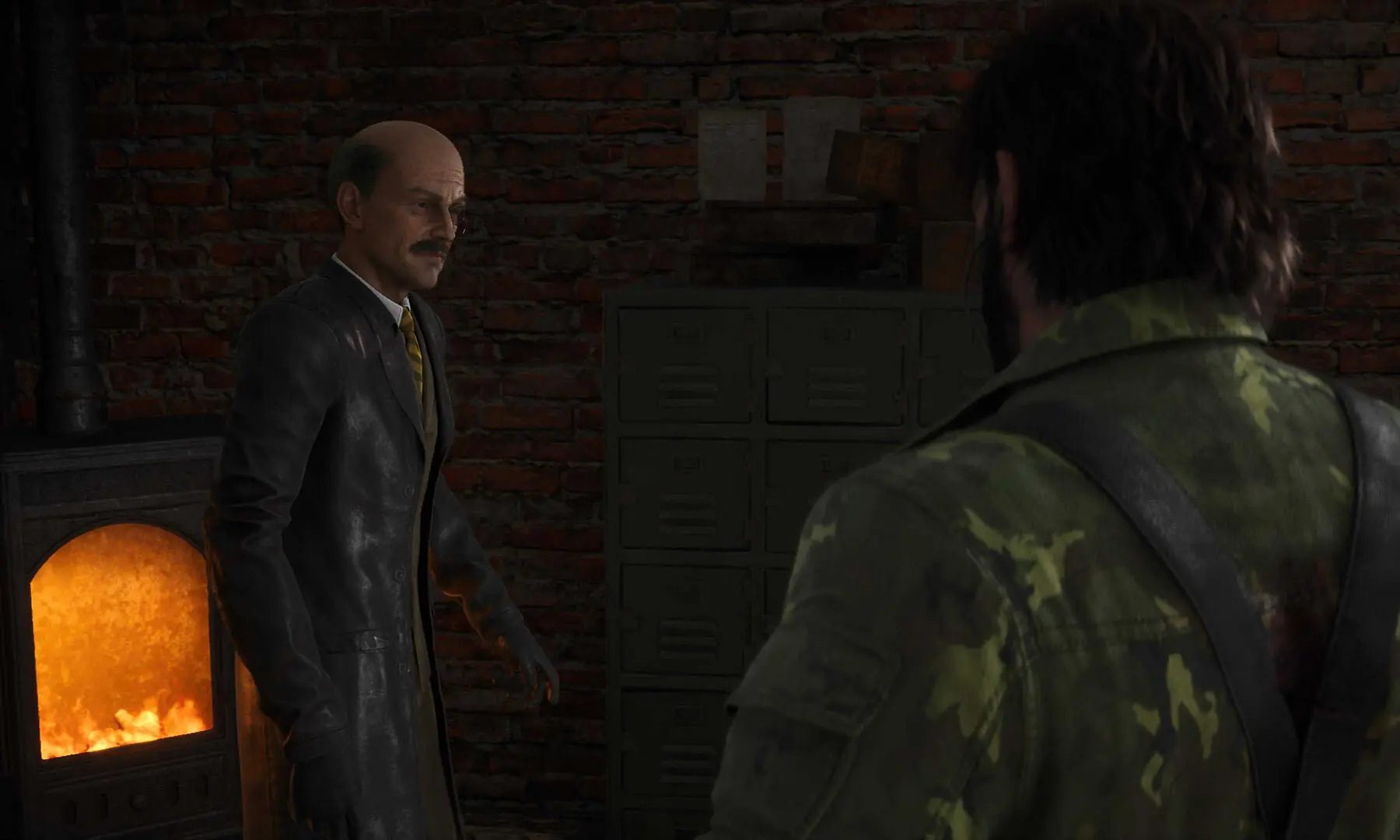
It’s evocative of spy cinema — superspy has to destroy a doomsday weapon — and has an exciting premise honoured by a (so far) intriguing story.
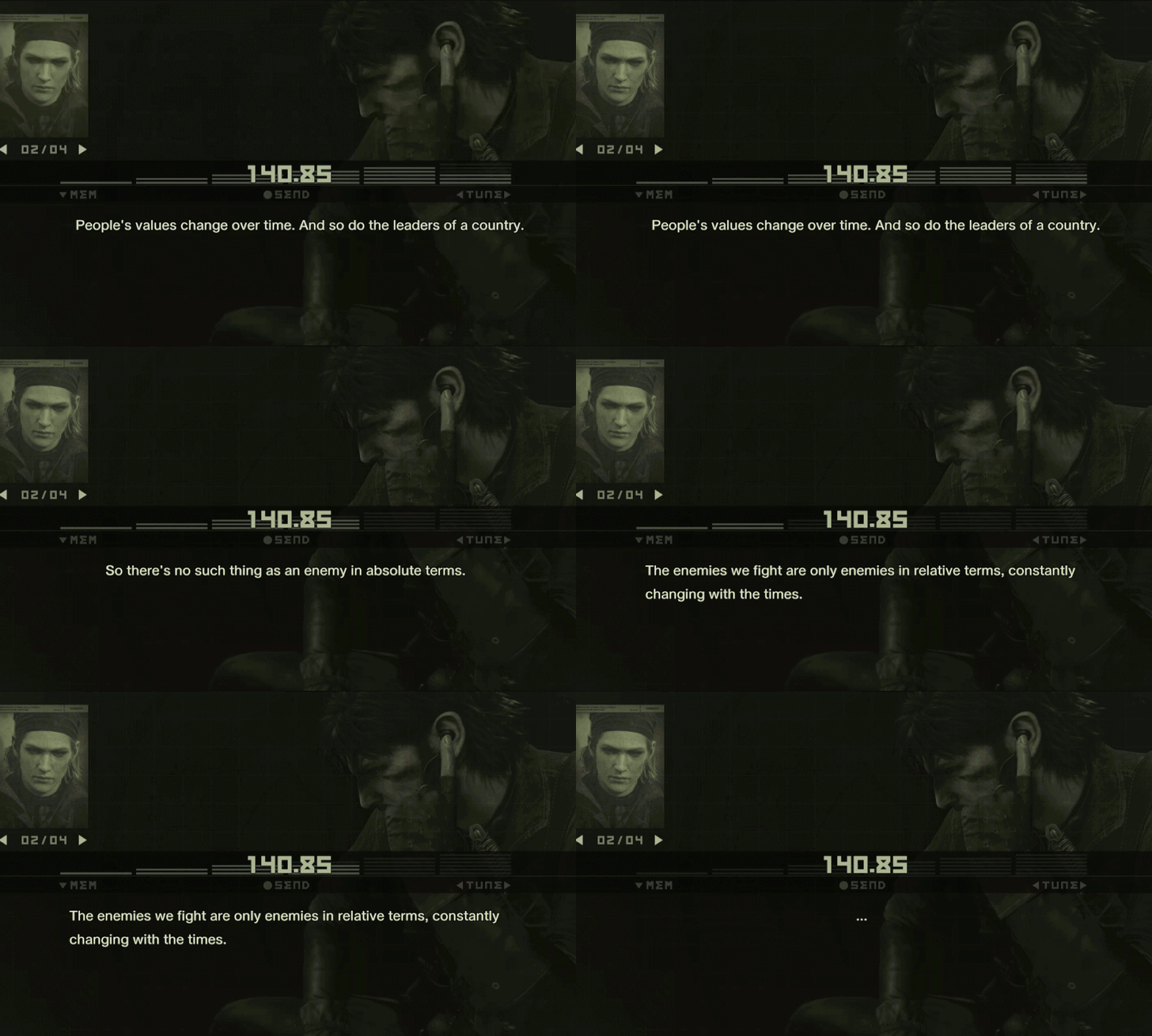
I’ll try not to spoil anything, even in my final review, but I’ll say that the game explores the theme or perspective very well; there is no such thing as an enemy or a friend in absolute terms. Something Snake gets a rude awakening about at the end of the prologue.
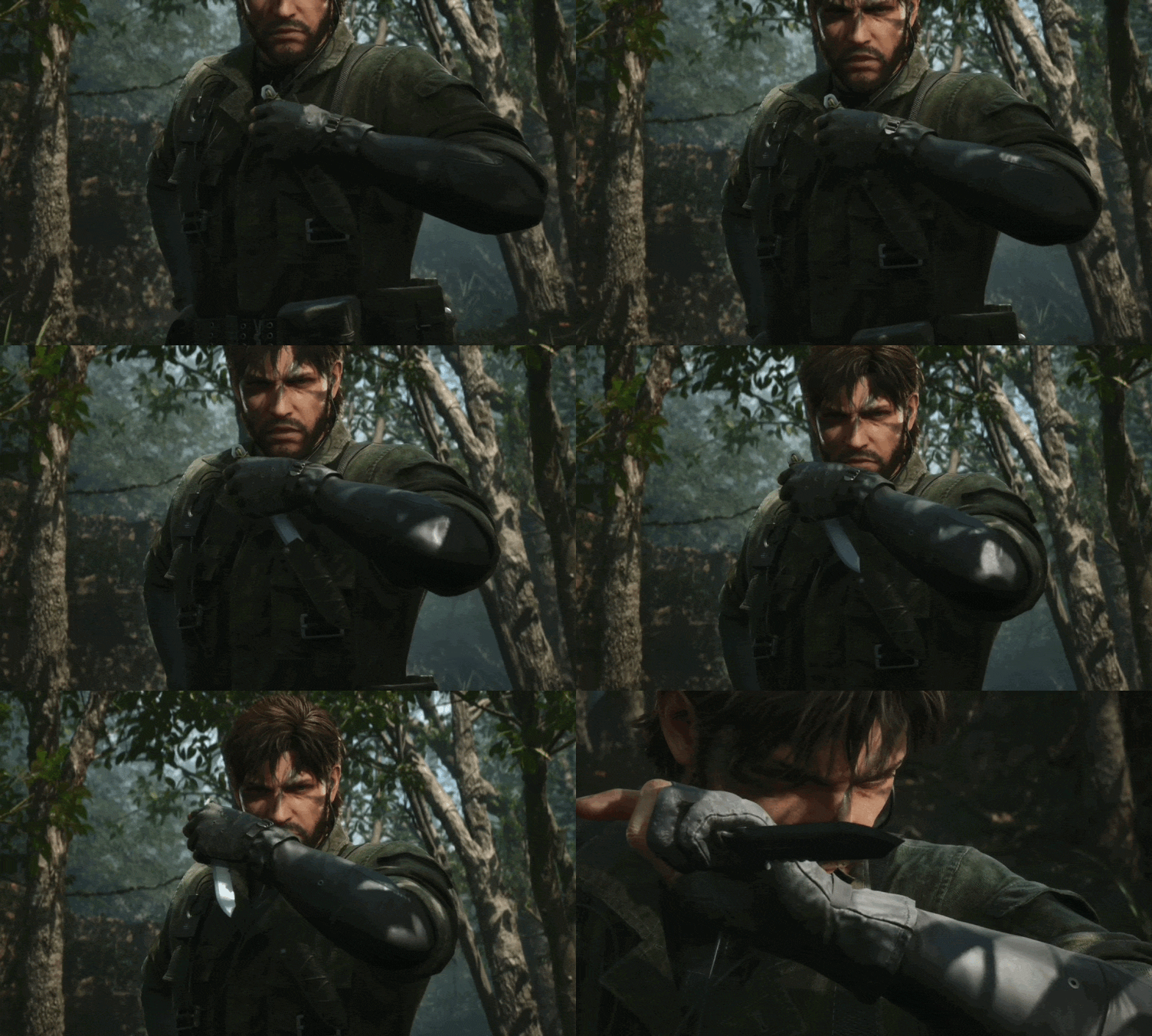
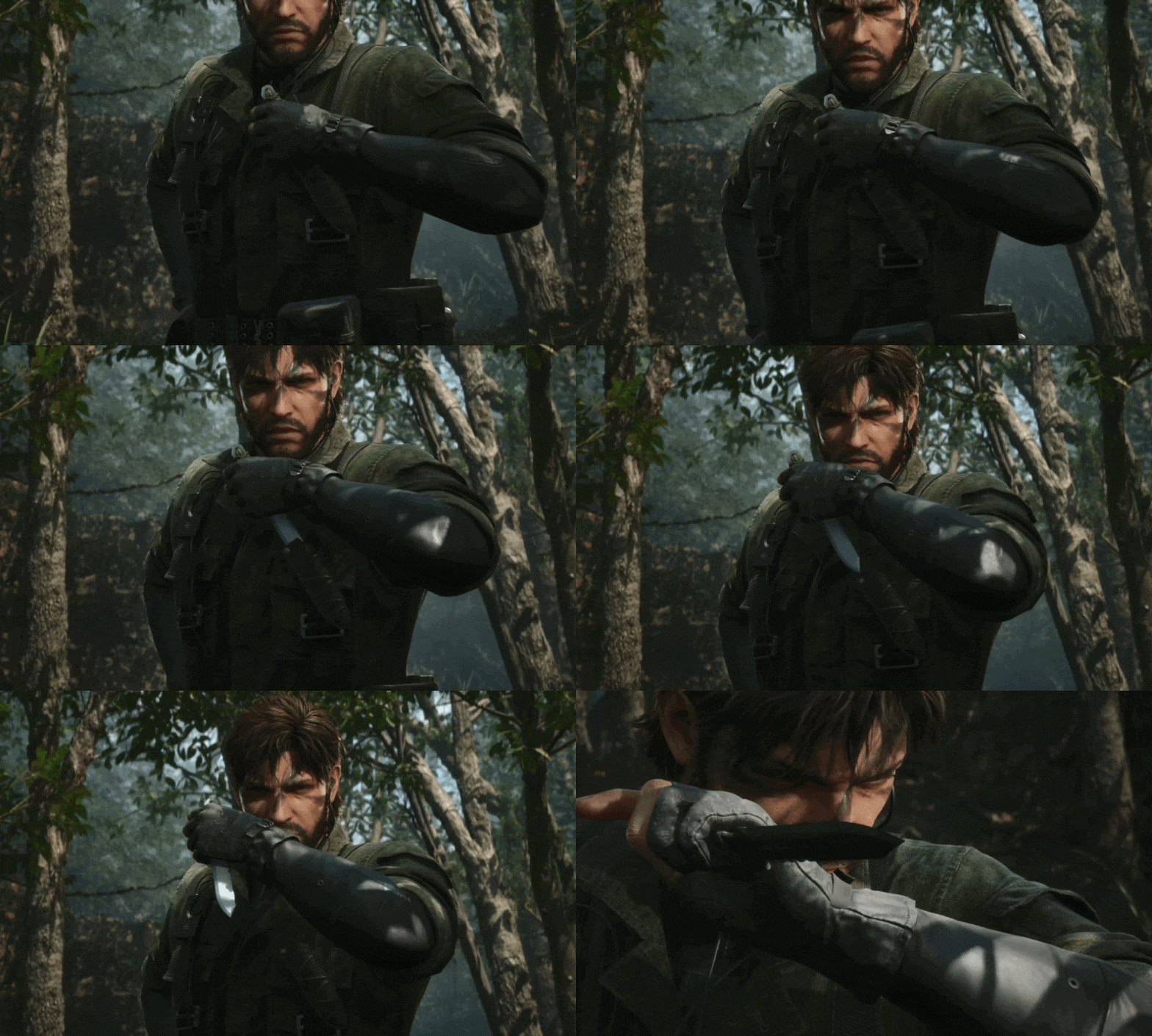
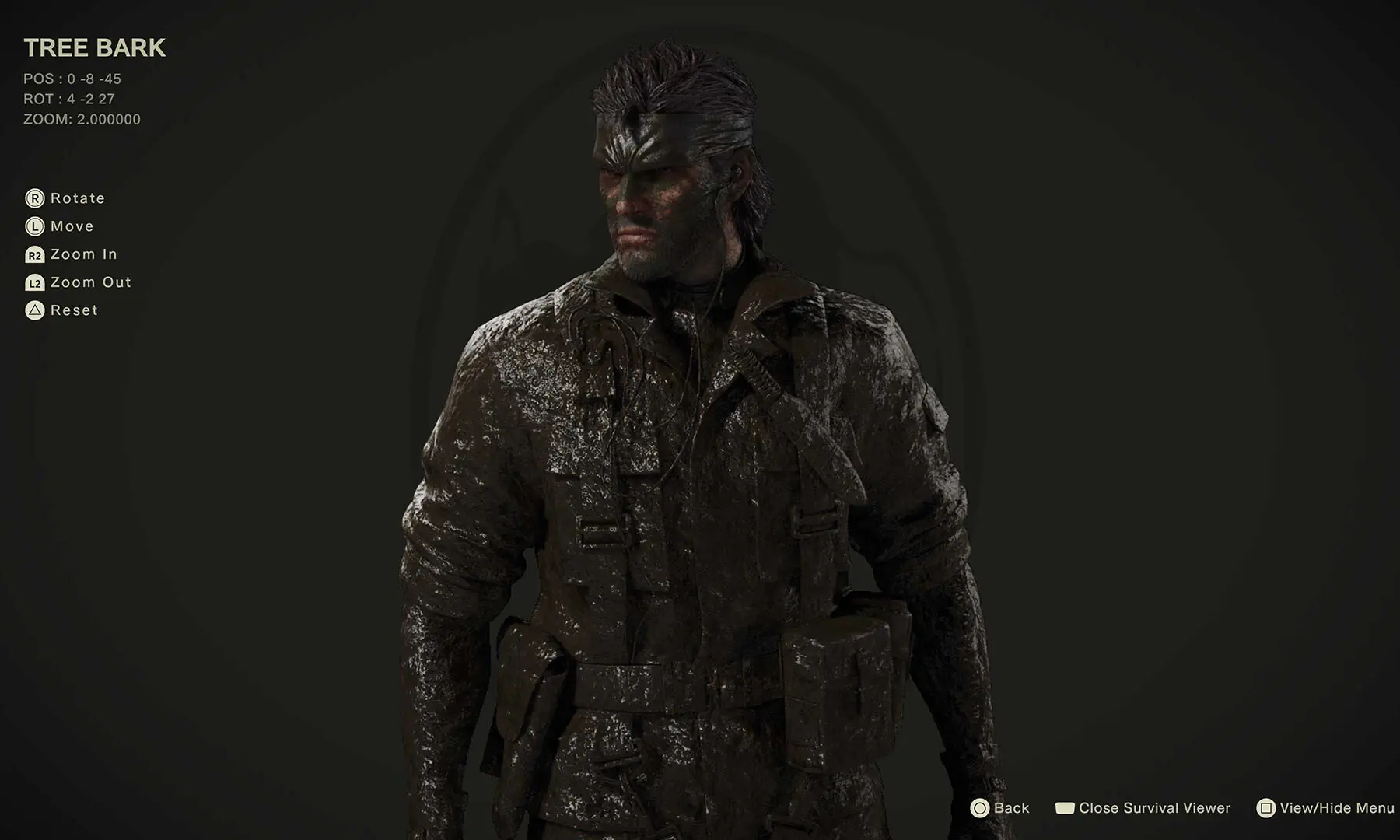
Character models in particular stand out to me, with the one for Snake standing head and shoulders above the others.
Stitching, tears and weaving in his uniform are prominent, as are textures in his skin and hair. The level of detail is truly incredible, exceeding expectations of a game from this generation.
As you traverse the game’s environment, Snake’s uniform will get soaked with water, shrouded in leaves and covered in mud, all of which adhere to the character model for a significant period of time. It’s more than just visual — mud for instance, I’ve found, makes it harder for enemies to spot you.
A truly great detail lies in Snake getting injured: bullet wounds, as an example, will be visible, before scarring over and leaving a visible mark on Snake’s skin.
It’s impressive that the game is recording this, making the experience even more immersive as players have a visual reminder of mistakes they have made. But you shouldn’t be getting injured because this is a stealth game.
The environments are also worthy of praise — not only are they a night-and-day improvement over those in the original, but they are a vibrant and colourful backdrop in their own right.
Snake’s mission takes place amid creeping moss, sprawling shrubs and dense vegetation, underneath a broad canopy with shards of light piercing through. If I had to guess, the jungle in the remake is what players remember the original looking like.
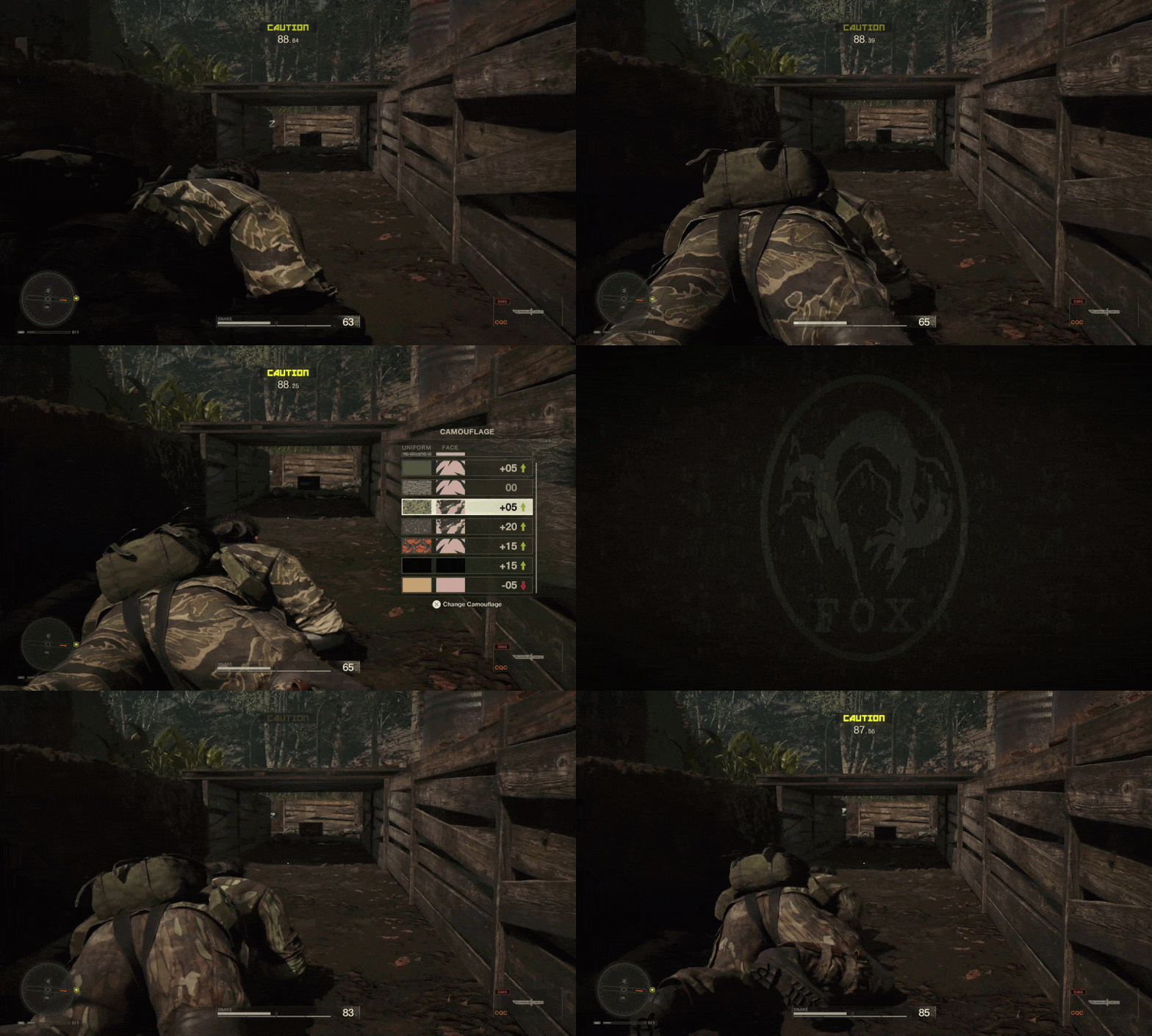
The game features a camouflage system that lets you blend into the surroundings by switching outfits with different patterns, making stealth far easier and allowing you to get the drop on unsuspecting guards, or avoid them entirely. As you play, you start making a mental note of which outfits suit which terrain, so you’re more prepared for the next encounter.
However, there are a couple of drawbacks. I personally found some of the jungle levels a little too linear in design, with usually one narrow path guiding the player from one end to the other, offering few opportunities to go off the beaten path and explore.
Also, areas like warehouses and military bases are visually quite boring in comparison, swapping multiple greens for greys and browns. I understand I’m exploring a Soviet warehouse, but it’s still dull compared to the jungle outside.
In terms of gameplay, I can only speak to the merits of the remake, but it feels intuitive like modern third-person action games.
The over-the-shoulder aiming and improved movement feel like something out of this generation. It’s easy to pick up if you’ve played a third-person action game before, compared to the chunkier control setup from the original.
However, if you liked the original game’s controls, Konami has given you the option of using them under the Legacy Style control scheme. Even though I won’t use them, I can respect that they’ve given us the option.
Moving onto gear and weapons, you’re dropped into the game with a small selection of gadgets (a motion detector, a sonar device and a directional microphone) and a tranquilliser pistol, with Snake having to collect more gear, weapons and food while in the field.
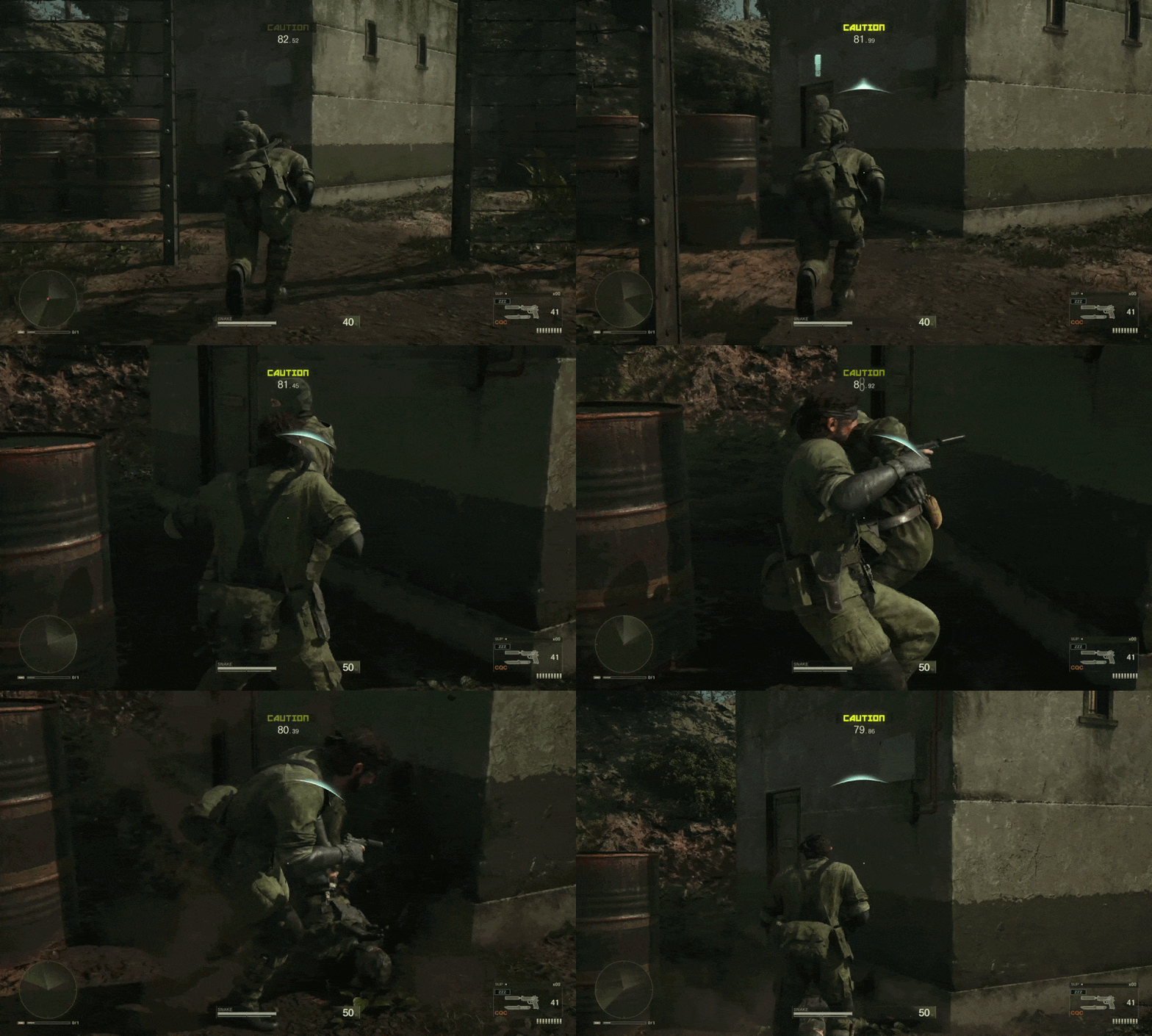
I’ve yet to find and use all the weapons, but they’re well-rendered and fit the time period. However, I’m one of those folks who prefer using the tranquilliser gun and hiding like a snake in the grass (pun intended) to play the game, so I rarely use firearms.
There’s also hand-to-hand combat (known as close-quarters combat, or CQC), where you can sneak up on an enemy and grab them, before interrogating them, throwing them, or using them as a human shield.
As I play more, I’m becoming better at stealth, allowing me to knock out enemies, or bypass them entirely. It’s unforgiving at first, but with practice and familiarity, it becomes easier.
Despite being a remake from the ground up, there are some things which carried over from the original that hold it back in my opinion.
For example, levels are separated with fade-to-black transitions, which will flash the name of the location you are entering. Sometimes you’ll just run through one section within a few seconds, only to be met with a transition and load into the next bit.
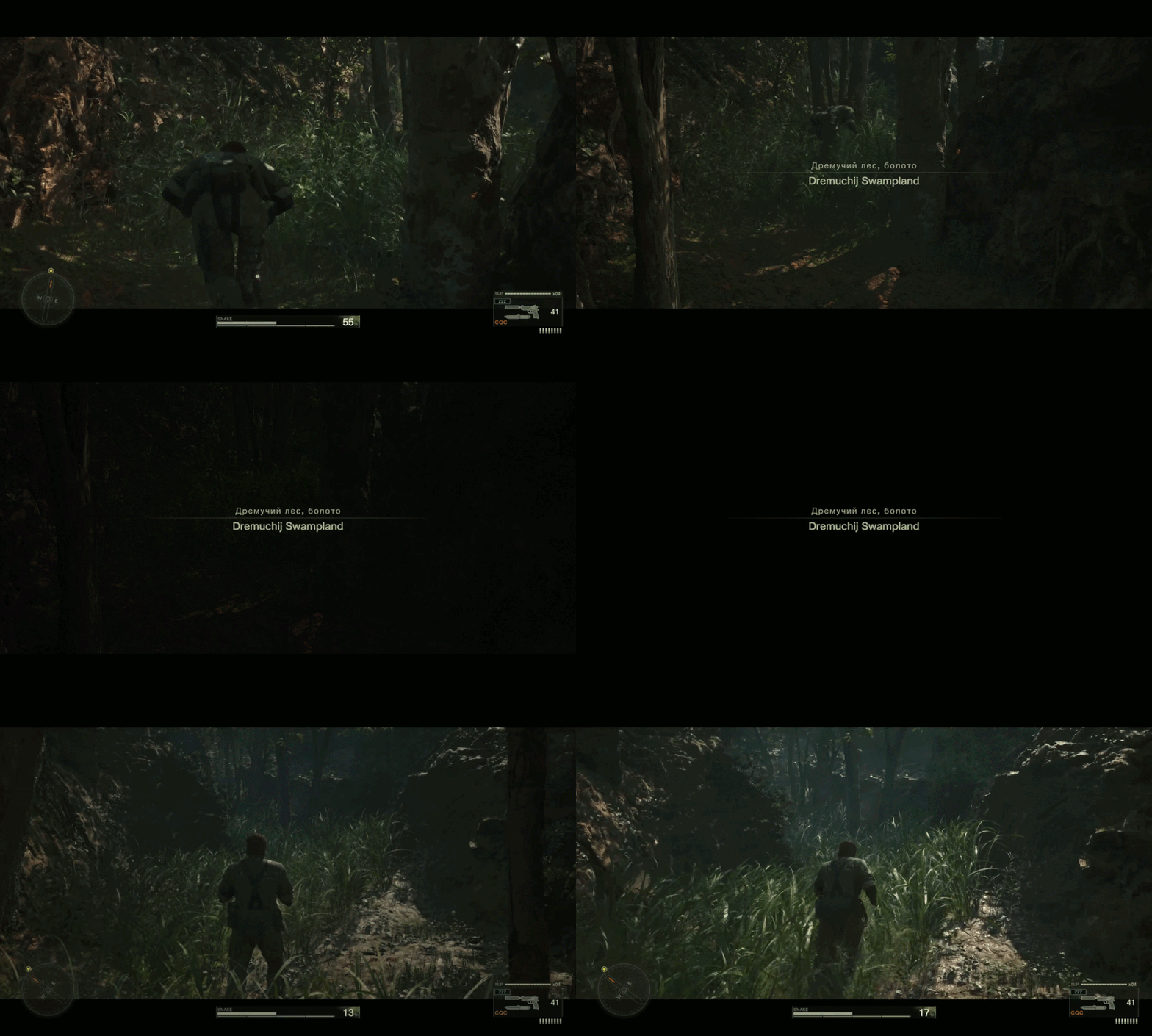
The levels feel disjointed, and this kills the pacing. I can see this having been an issue with the PlayStation 2’s hardware, but we’re in 2026, with vastly more powerful systems. If it were up to me, I’d have gotten rid of these transitions entirely and given the player one gigantic level.
Additionally — and admittedly, this is speculative on my part — I have a feeling some animations for non-player characters (NPCs) have been recycled from the original game.
This is more noticeable with characters such as scientists. I remember seeing one of them type into a keyboard with extremely exaggerated and choppy animations. It really stood out, and not for the right reasons.
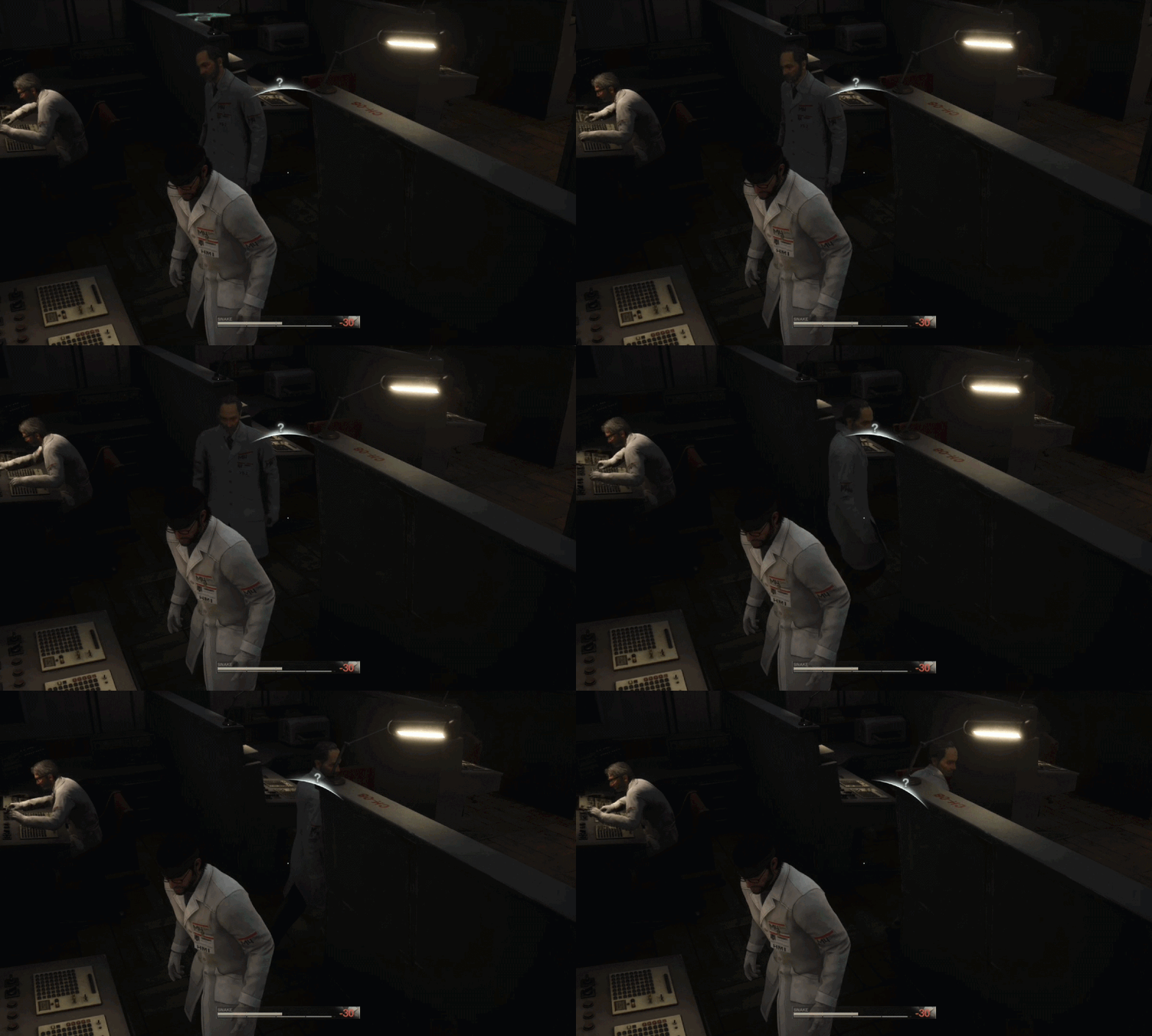
I get that Konami is trying to stay true to the original, but sometimes the old ways aren’t the best. It feels like these are quirks that could have been removed in development. They streamlined navigating the menus. Why would they overlook this?
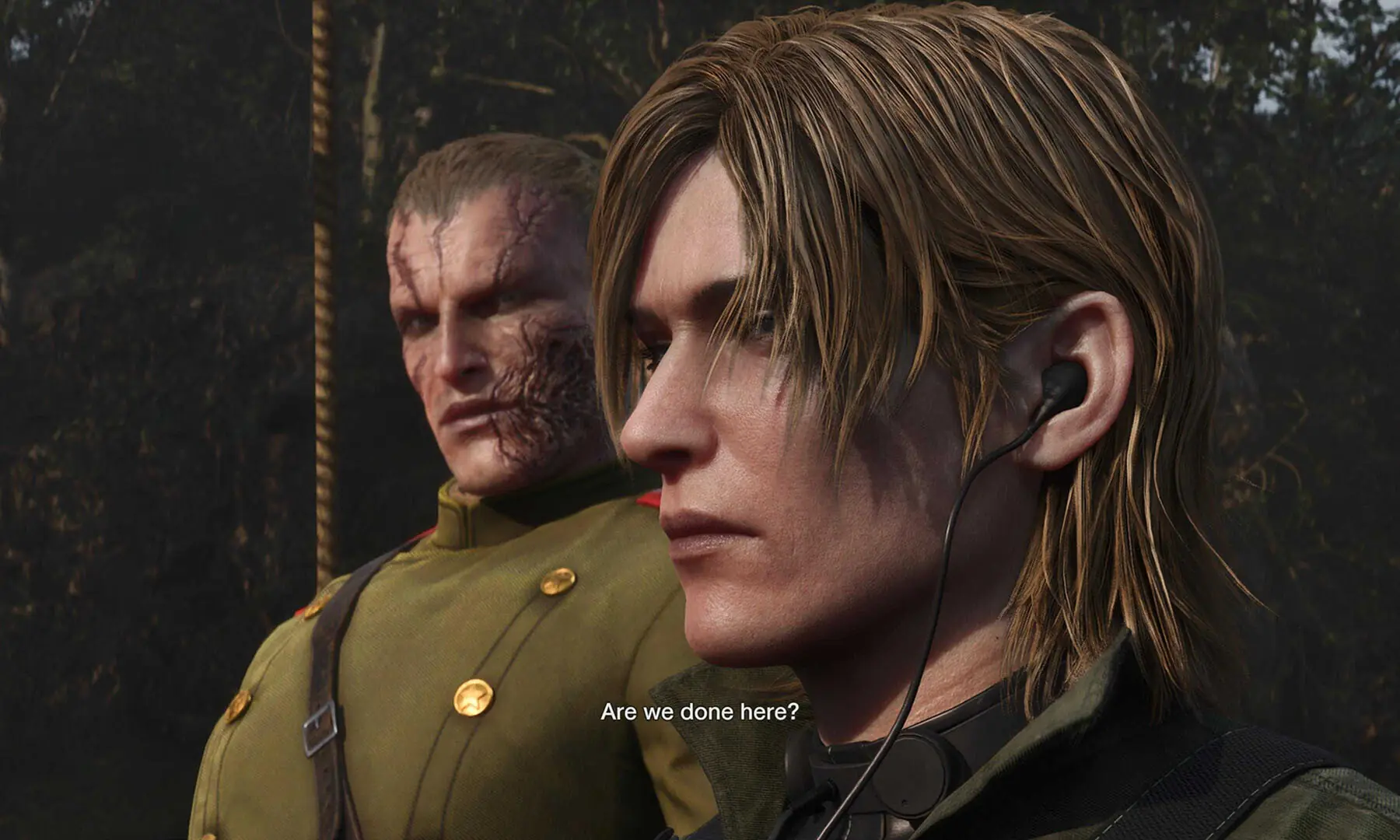
Though I haven’t played enough of it to give a definitive score, I’ve enjoyed my time with Metal Gear Solid Delta: Snake Eater so far. I’m enjoying the visual and mechanical upgrade, but it’s the story that is keeping me hooked so far.
I know the lore of the series well, so I know the major plot beats. Despite that, I’m still looking forward to the next twist or plot development. It feels like I’m experiencing the game for the first time, which I never did because I was too young in 2004.
I’m very excited to keep playing. If you’ll excuse me, I need to don my bandana and face paint and sneak out.
if you want to get more information about this news then click on below link
More Detail