-

-
-
Loading
Loading

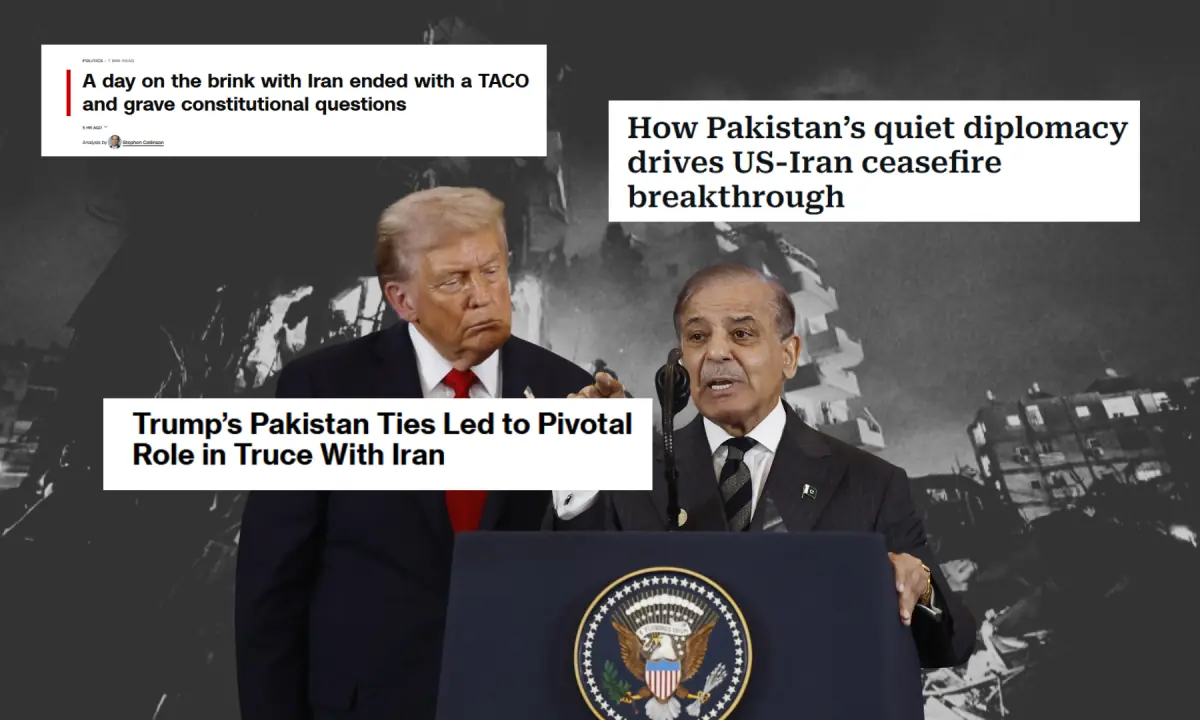

“The optics of the [US-Iran] ceasefire are significant for Pakistan on the world stage.”
This is what The Independent wrote in its analysis after Islamabad brokered a ceasefire between the United States and Iran in the early morning hours of Wednesday.
On Tuesday, US President Donald Trump warned that a “whole civilisation will die” and gave Iran an ultimatum to make a deal. Barely an hour before his deadline was set to expire, both Washington and Tehran agreed to a two-week pause in hostilities along with a temporary reopening of the Strait of Hormuz.
The development came after PM Shehbaz urged Trump to extend his deadline for two weeks to allow diplomacy a chance, which was ultimately accepted by the latter.
Islamabad will host talks between both the countries in the upcoming days to reach a long-term solution to the conflict. While the ceasefire has brought relief for almost every country on the planet, many say it has also pushed Pakistan into the role of a “peacemaker”.
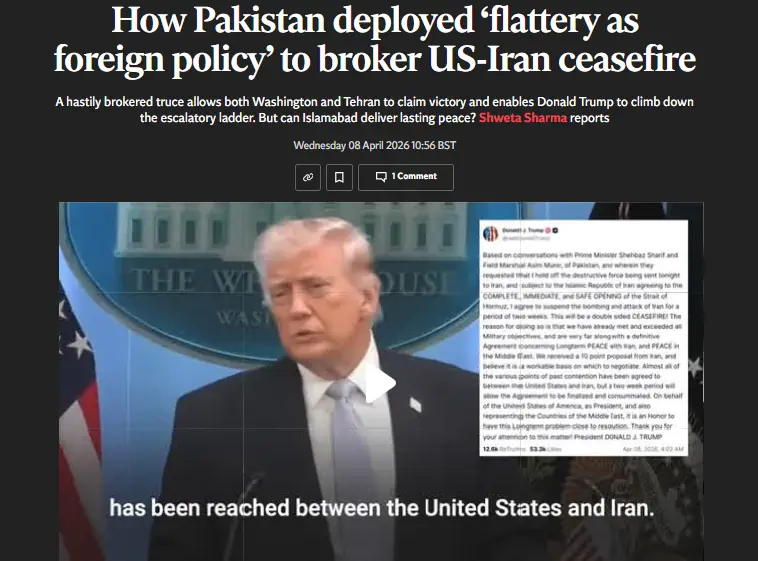
In its analysis, The Independent noted that Pakistan’s role in pulling the Gulf back from the brink “could mark one of its most significant diplomatic achievements in years, and it is one that has been welcomed throughout the region”, even among commentators in archrival India.
“Pakistan’s involvement was at least partly driven by self-interest. The South Asian nation is heavily dependent on energy imports and has faced severe fuel shortages due to the war, as well as disruptions to remittances from its sizeable population working in the Middle East.
“Even so, the optics of the ceasefire are significant for Pakistan on the world stage,” it said.
The analysis also attributed the feat to the “importance of Trump’s personal relationship” with the Pakistani military.

While Trump has agreed to the ceasefire, he earlier derided the 10-point plan by Iran’s Supreme National Security Council in which Tehran demanded the right to coordinate all cross-Strait of Hormuz traffic.
And here is where Pakistan steps in with its newfound role.
“It will be up to Pakistan, which brokered an agreement for the US and Iran to hold talks starting Friday, to clear this up — if the deal lasts that long.
“The Islamabad government, which has shrewdly used its friendships in Tehran and Washington, must fashion off-ramps neither Trump nor Iran could find themselves,” Stephen Collinson of the CNN wrote in his analysis of the latest developments.
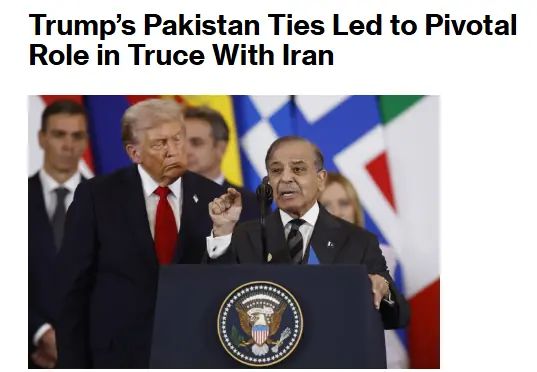
Even though clarity on the ceasefire is yet to emerge, “Pakistan nevertheless deserves a tremendous amount of credit for having the guts to stick out its neck and offer its diplomatic services”, reported Bloomberg.
“Pakistan’s success as a mediator in the Iran conflict stems in large part from its increasingly close ties with the Trump administration,” it noted, adding that Islamabad, at the same time, also has “warm ties” with Iran and other Gulf states which motivated the country to “find a resolution to the fighting to avoid being dragged into the conflict itself”.
“Besides enhancing its geopolitical clout, Pakistan also has economic reasons to get involved. Iran’s blockade of the Strait of Hormuz has jammed up energy supplies globally, leaving Pakistan vulnerable given its sizeable imports of oil and liquefied natural gas that pass through the waterway.
“Now, with the ceasefire, Pakistan is seeking to ease economic pressure while also capitalising on its newfound geopolitical standing,” it said.
The report concluded: “What stands out is Pakistan’s repositioning from a peripheral actor to a credible intermediary capable of convening adversaries.”
Neutrality makes “economic sense” for Pakistan, reported France 24. The country relies on oil and gas imports through the Strait of Hormuz and “wants to avoid getting dragged into further conflict on its doorstep”.
“Continued disruption would have worsened fuel supplies, driven up prices and forced further austerity measures for the cash-strapped government.
“A permanent end to the war would not only boost regional stability but also Pakistan’s international standing at a time when it is locked in armed conflict with neighbouring Afghanistan and less than a year after it traded strikes with archrival India,” the media outlet wrote.
Meanwhile, Pakistan’s ties with both Washington and Tehran — countries that do not have direct diplomatic relations — leveraged Islamabad a “unique position” to open lines of communication that otherwise remained shut, noted Gulf News.
“The strategy was deliberate: stay publicly neutral, but privately engage all sides. Pakistan’s role representing Iranian interests in Washington gave it rare institutional access, while its long-standing ties with the US ensured credibility with American leadership.”
The report further noted that even though the high-level meeting of foreign ministers that was held in Islamabad last month did not visibly appear to be a success, “Pakistan quietly intensified its outreach in the days that followed”.
It added that while challenges still remain, for now, “the ceasefire marks a significant diplomatic win for Islamabad, underscoring how sustained, quiet engagement can influence the trajectory of a fast-moving and high-stakes conflict, even as the human and economic costs of the war continue to mount”.
if you want to get more information about this news then click on below link
More Detail