-

-
-
Loading
Loading

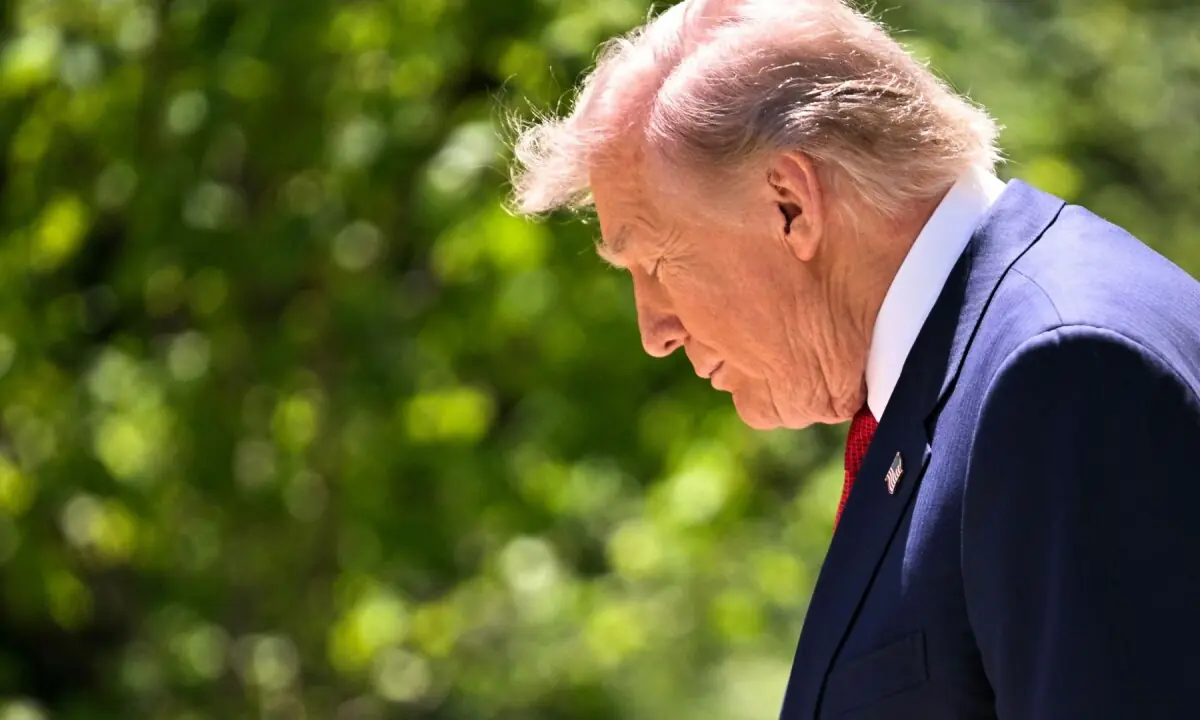

With his decision to pull some US troops from Germany, his threats to draw down forces elsewhere in Europe and his downplaying of recent attacks on an important Gulf partner, President Donald Trump’s latest moves foreshadow what could be the war’s enduring legacy: the fraying of ties with key allies.
Even as the US and Iran inch toward a potential off-ramp, Trump’s words and deeds have revived fears among Washington’s long-standing friends — from Europe to the Middle East to the Indo-Pacific — that the US might be unreliable in a future crisis.
In response, some traditional US partners are starting to hedge their bets in ways that may bring long-lasting changes in relations with Washington, while adversaries such as China and Russia are looking to exploit strategic openings.
It is not yet clear whether Trump’s war with Iran will mark a permanent turning point in US relations with the world.
But most analysts believe his erratic conduct since returning to office, essentially upending the rules-based global order, will further erode US alliances, especially with Nato continuing to feel his ire for largely resisting his wartime demands.
“Trump’s recklessness with respect to Iran is resulting in some dramatic shifts,” said Brett Bruen, a former adviser in the Obama administration who now heads the Situation Room strategic consultancy.
“US credibility is at stake.”
Tensions are especially high between Trump and the Europeans since he joined Israel in striking Iran on February 28, claiming without evidence that Tehran was close to developing a nuclear weapon.
Iran’s retaliatory closure of the Strait of Hormuz unleashed an unprecedented global energy shock that has made European countries some of the biggest economic losers from a war they never asked for.
Even before that, Trump had rattled allies by imposing sweeping tariffs, pushing to take over Greenland from Denmark and cutting military aid to Ukraine.
The rift widened when Trump announced this week he was withdrawing 5,000 of the 36,400 troops the US has stationed in Germany after Chancellor Friedrich Merz angered him by saying publicly that the Iranians were humiliating the US. The Pentagon then scrapped a planned deployment of Tomahawk cruise missiles to Germany.
Trump — who has long questioned whether the US should remain in the Nato alliance it helped create after World War Two — said he was also considering reducing US forces in Italy and Spain, whose leaders have been at odds with him over the war.
The move followed Trump’s accusations that allies have not been doing enough to back the US in the war and his suggestions that this meant Washington might no longer need to honor the alliances’ Article 5 mutual defense clause.
“President Trump has made his disappointment with Nato and other allies clear,” White House spokeswoman Anna Kelly said, noting that some requests to use military bases in Europe for the Iran war had been denied by host governments.
While insisting that Trump had “restored America’s standing on the world stage and strengthened relationships abroad,” she said he “will never allow the United States to be treated unfairly and taken advantage of by so-called ‘allies’“.
Trump had earlier taken aim at British Prime Minister Keir Starmer, deriding him in March as “not Winston Churchill” and threatening to impose a “big tariff” on imports from the UK.
And Trump’s Pentagon has floated the prospect of punishing Nato allies it believes have failed to support US operations against Iran, including suspending Spain as a member and reviewing US recognition of Britain’s claim to the Falkland Islands.
European governments have responded by stepping up efforts to increase cooperation among themselves, shoulder more of their own defense burden and jointly develop weapons systems to reduce reliance on the US, while trying to convince Trump of the value of maintaining transatlantic allies.
One European diplomat called Trump’s threats a clear signal for Europe to invest more in its own security but said leaders were resigned to having to roll with the punches for now.
As “middle powers,” the Europeans have limited options, especially given their dependence on their superpower ally for strategic deterrence against any possible attack from Russia, and analysts say the transition to greater self-reliance will take years.
In their efforts to mollify Trump, meanwhile, European officials have quietly stressed that many of their countries are allowing US forces to use bases on their soil and their airspace during the Iran campaign.
But European leaders, some of whom had used flattery with Trump to defuse earlier crises, are also becoming wise to his negotiating tactics and more emboldened in standing up to him, analysts say.
Jeff Rathke, president of the American-German Institute at Johns Hopkins University, said that while Merz had seemed to charm Trump during earlier meetings, now “he is not trying to hide the critical assessment of what the United States has gotten itself into”.
But the Europeans are also mindful that Trump, barred by law from running again, could feel unrestrained “to do whatever he thinks” on the world stage before he leaves office in January 2029, the European diplomat said.
As some European leaders sound the alarm about Nato’s future, Polish Foreign Minister Radoslaw Sikorski told a conference in Warsaw there is no need to panic so long as Europe delivers on promised higher military spending, which Trump has long demanded.
Even so, the strains on US alliances extend well beyond Europe.
When Iran this week launched missile and drone attacks against the United Arab Emirates, a close US ally, Trump and his aides seemed to turn a blind eye, causing further unease among Gulf Arab states already hard hit by the war.
Trump was quick to dismiss a strike on Monday as minor, though it set fire to the important Fujairah oil port and prompted the government to close schools, and even after further attacks later in the week, he insisted that a month-old ceasefire was still holding.
Trump went to war against the advice of some Gulf partners, and though they soon lined up in solidarity, some now worry he could strike a deal that leaves them facing a still-dangerous neighbor.
The war has also stirred anxiety among Asian partners, many heavily dependent on oil that flowed freely through the strait before the conflict.
Countries like Japan and South Korea have already been unsettled by Trump’s high tariffs and disparagement of traditional alliances. Some may now wonder whether the vulnerability he has shown to economic pressure at home, including high gasoline prices, could mean Trump might hesitate when asked to help in a conflict with China, such as an invasion of Taiwan.
“What worries us most is that trust in, respect for, and expectations toward the US — the core partner in the alliance Japan values most — have been shrinking, Takeshi Iwaya, who served as Japan’s foreign minister at the start of Trump’s second term, told Reuters.
“It could cast a long shadow over the entire region.”
Yasutoshi Nishimura, a former Japanese trade minister, said it has become increasingly important for Tokyo to respond to the shifting global power dynamic by forging closer ties with “like-minded middle powers” such as Britain, Canada, Australia and European nations.
Since the start of the war, Russia and China, long-time allies of Iran, have mostly steered clear, but analysts say they are watching closely.
Experts warn that Trump’s use of raw power in a war of choice against Iran, coming just weeks after a US raid in Caracas that captured Venezuela’s president, could embolden China and Russia to intensify coercive moves against their neighbors.
Russia, a leading energy producer, has benefited from higher oil and natural gas prices driven up by the Iran war as well as the US and Europe being distracted from the war in Ukraine.
Though the Iran crisis has crimped China’s energy supplies, Beijing may have learned lessons seeing the US having to shift military assets from the Indo-Pacific to the Middle East and how the world’s most powerful armed forces have at times been outmaneuvered by asymmetric tactics such as cheap drones, analysts say.
China has also seized the opportunity to try to promote itself as a more reliable global partner than the unpredictable Trump, who is due to visit Beijing next week.
But Victoria Coates, Trump’s deputy national security adviser in his first term, said Beijing would have a difficult time using the war on Iran as “carte blanche to run around the world saying that we’re a destabilising force”.
“They haven’t exactly been a strong partner to their ally Iran throughout all this,” said Coates, now a vice president at the conservative Heritage Foundation think tank in Washington.
if you want to get more information about this news then click on below link
More Detail