-

-
-
Loading
Loading

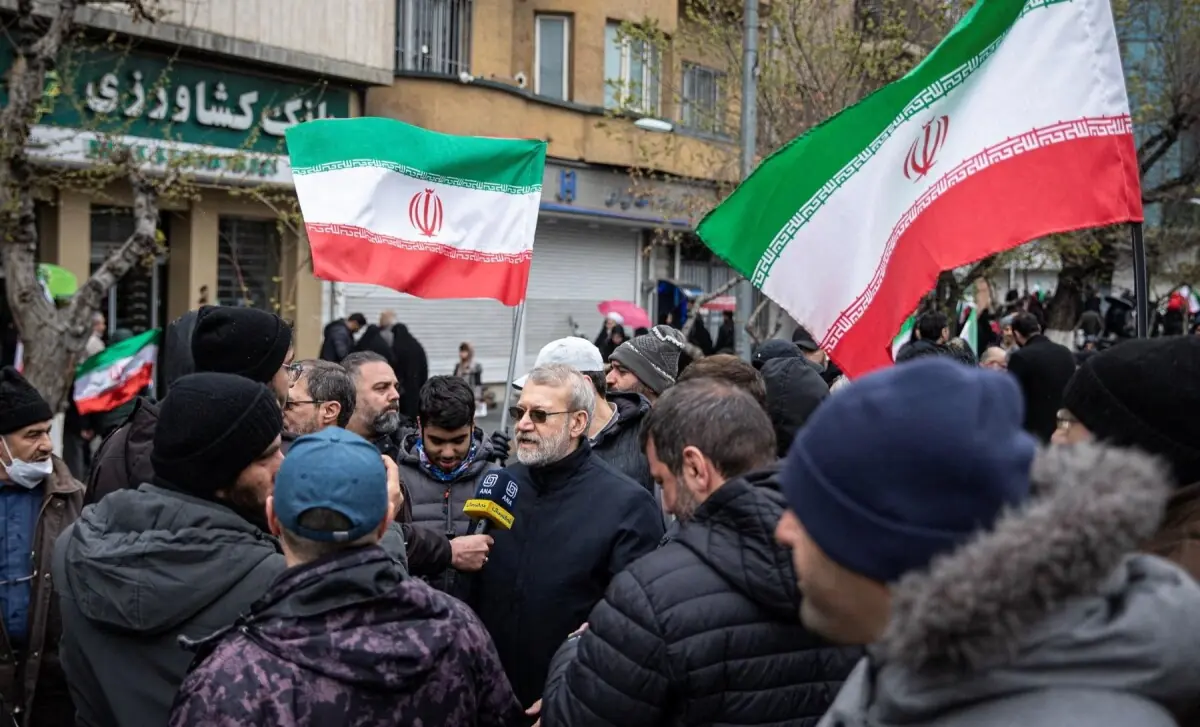

The Israeli claim of killing Iran’s top security official Ali Larijani, if confirmed, would mark the most consequential setback for Iran since the assassination of Supreme Leader Ayatollah Khamenei at the start of the US-Israel war on the Islamic republic, which is now in its 18th day.
Larijani is one of the few remaining figures who straddle the political, security and diplomatic layers of the Iranian system at a time of war. He is not merely a senior insider, but part of a small cohort that can reconcile competing power centres within the state and translate battlefield developments into coherent political signalling. His role extends beyond messaging to quietly shaping external engagement, including maintaining channels that could, if required, support de-escalation.
His loss, if confirmed, would not fracture the system. It would rather narrow the space within which strategy is formulated, tilting the balance further toward a security-driven approach and reducing flexibility for any future political exit. It would also remove a figure who could have potentially offered an interlocutor for any eventual diplomatic opening, thereby limiting the range of options available not only to Tehran, but also to its adversaries.
There is a growing view that the strike targeting Larijani carried a wider strategic logic. At a stage when the war has not produced a decisive shift on the battlefield, eliminating figures capable of shaping political outcomes may be aimed as much at constraining diplomacy as at degrading command structures. For Israel, having drawn the US into a direct confrontation, the risk of an early negotiated outcome remains a central concern. Removing individuals who could help construct such an outcome reduces the likelihood of a premature political settlement.
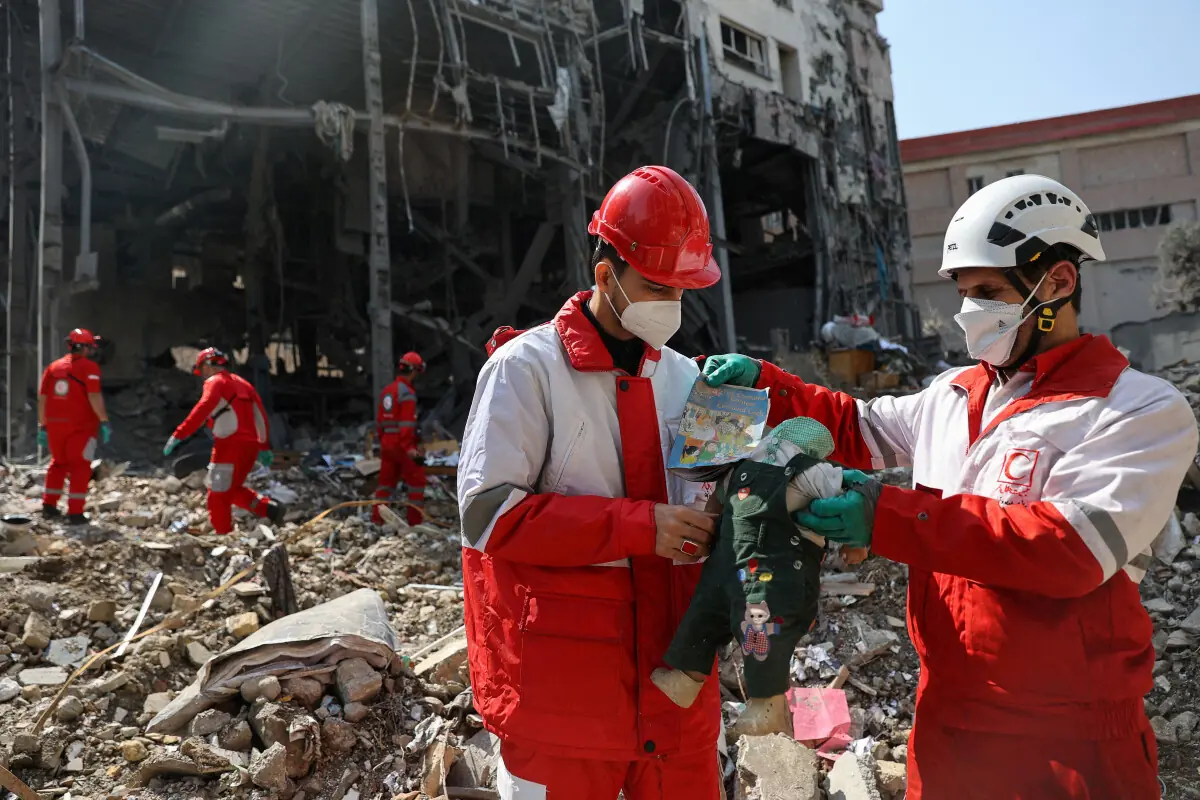
At the same time, development also fits into a broader pattern of sustained leadership targeting, suggesting that the decapitation campaign remains an active line of effort despite limited evidence that it can produce systemic collapse. The earlier martyrdom of Ayatollah Khamenei did not trigger internal breakdown. Instead, it led to consolidation. Replicating that approach appears to reflect a continued belief that cumulative pressure on the leadership could eventually weaken the system’s cohesion, even as experience points in the opposite direction.
Early indications suggest the system, amid the assassination reports, is once again responding in the way it was designed to. Power is consolidating within the circle around the new Supreme Leader Ayatollah Mojtaba Khamenei, with the Revolutionary Guards and allied political figures stepping in to absorb the shock.
As seen after earlier high-profile assassinations, such losses tend to harden resolve rather than induce restraint. If anything, the targeting of Larijani is likely to reinforce the view in Tehran that the war is existential and that compromise under pressure would only invite further escalation. Over time, this pattern risks producing a leadership structure that is narrower, more rigid, and less inclined toward negotiated outcomes.
The Israeli claim of Larijani’s assassination in a strike in Tehran came at a time when the conflict had settled into a pattern of sustained pressure across multiple theatres. Iranian missile and drone strikes continued over the past 24 hours, targeting Israeli command nodes and Gulf energy infrastructure, while proxy activity intensified from Iraq to the Red Sea. The Strait of Hormuz remained effectively closed to most global shipping, with Iran continuing to enforce a selective regime that allows limited traffic under its own terms, underlining its use of the waterway as both a military and economic lever.
On the other side, the US and Israel have expanded their campaign. Air strikes have continued against Iranian military infrastructure, including renewed pressure around Kharg Island, while Israeli ground operations in southern Lebanon appear to be evolving into a slow and costly effort to create a shallow buffer zone rather than a breakthrough. Israeli advances into Lebanon remain contested, with Hezbollah forces avoiding positional battles and instead focusing on tactics that raise the cost of holding territory.
At the strategic level, Washington’s effort to recast the reopening of the Strait of Hormuz as the central objective of the war is increasingly visible. US President Donald Trump has stepped up calls for international participation in securing maritime routes, but the response from allies has been cautious. European and Asian partners remain reluctant to be drawn directly into a conflict whose economic costs they are already bearing, while Gulf states, despite quietly supporting the campaign against Iran, are themselves under growing pressure from sustained strikes on their energy infrastructure.
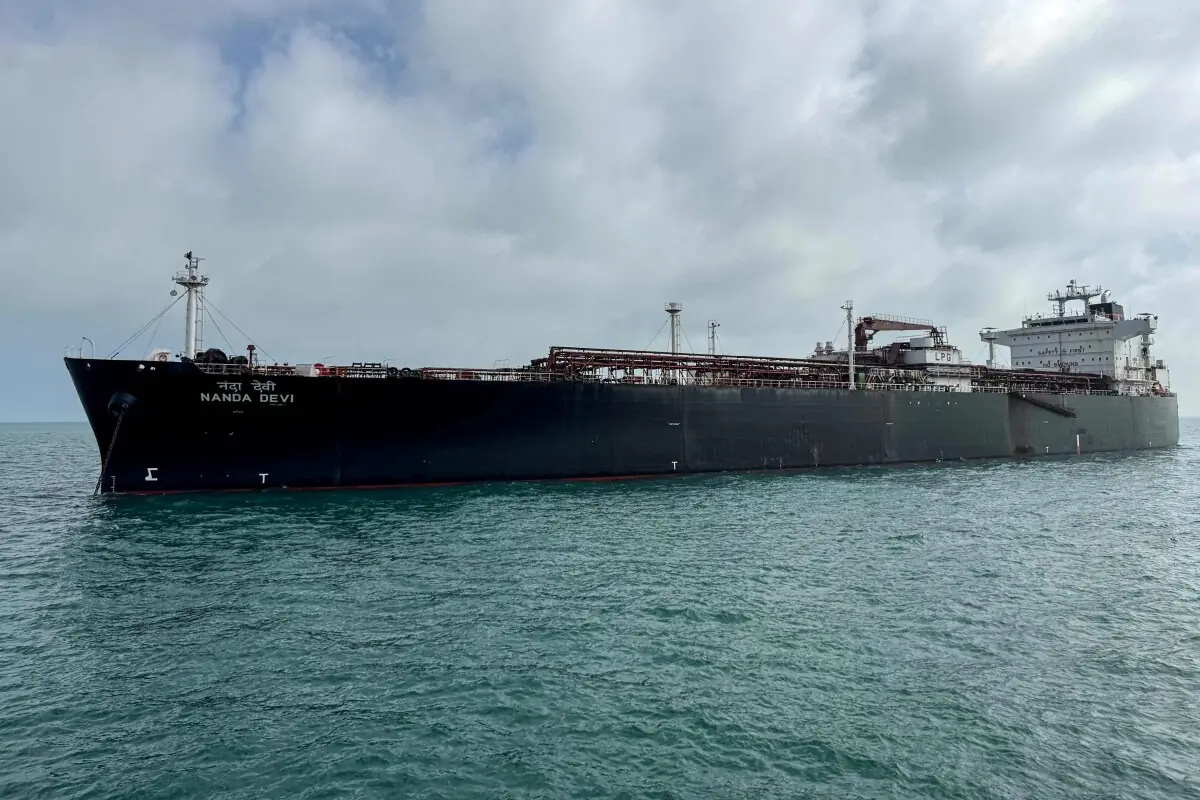
The result is a widening gap between US objectives and coalition appetite. This is beginning to show in operational constraints, from the absence of a credible multinational maritime force in the Gulf to growing concerns over logistics and sustainability as the campaign stretches into its third week.
Meanwhile, signs of strain are emerging beyond the battlefield. Reports of dissent within the US national security establishment, including the resignation of Joe Kent, a senior counterterrorism official, reflect a sharpening debate in Washington over the direction and purpose of the war.
At the operational level, signs of strain are becoming more visible in the US military posture across the region. The carrier fleet, which had underpinned forward presence since the early phase of the war, is undergoing an unplanned adjustment. The USS Gerald Ford is scheduled to pull back from the northern Red Sea toward the Mediterranean for refuelling and an investigation into a recent onboard fire that is said to have lasted for over 30 hours, while the USS Abraham Lincoln has already been pulled back from forward stations in the Arabian Sea. Taken together, these movements effectively end the aggressive carrier positioning that had anchored sustained operations in the theatre.
The resulting gap is not immediately decisive, but it does reduce flexibility for the US at a time when Iranian pressure remains steady. With days still left before the arrival of the USS Tripoli and its embarked Marine unit, rapid response options across the Gulf and Red Sea corridors are limited.
At the same time, the broader operational picture is being complicated by degradation in surveillance and air defence coverage following the loss of key radar assets in the region due to sustained Iranian strikes. The US is now relying on airborne early warning platforms as a stopgap arrangement to bridge the gap, but these systems cannot provide the same continuous coverage as fixed installations.
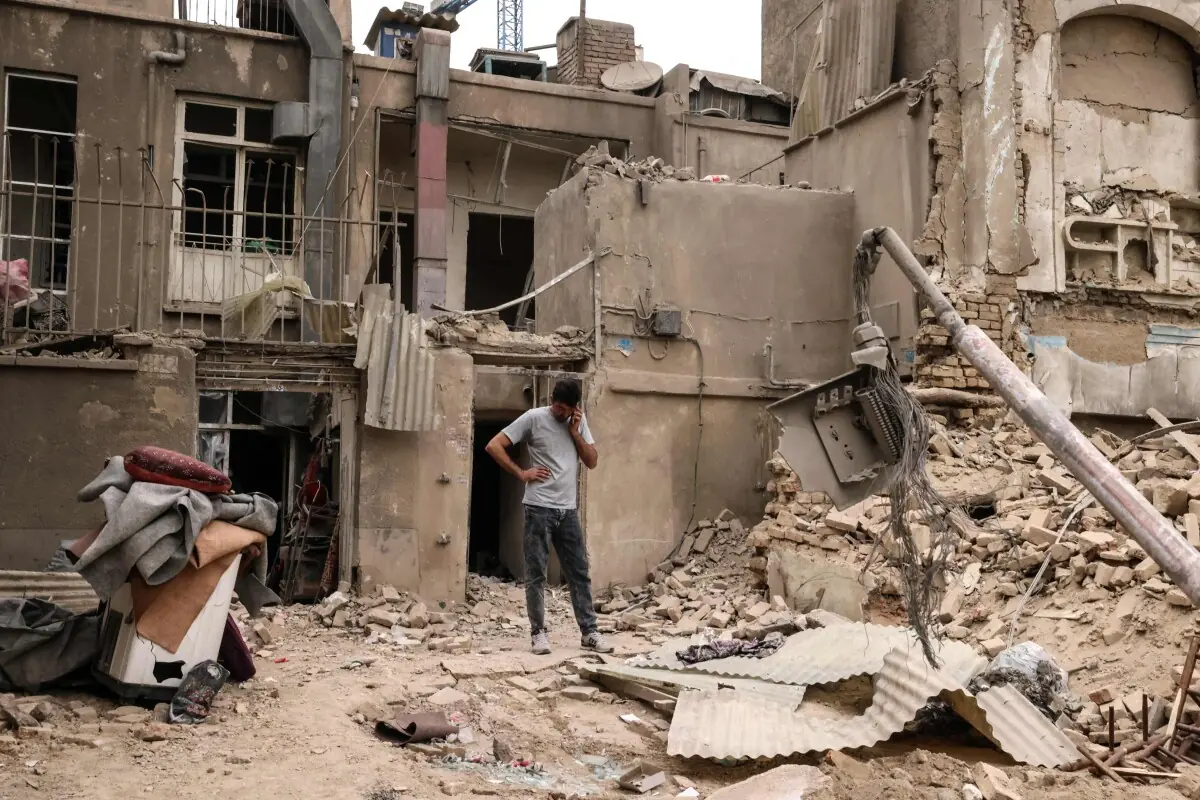
Cumulatively, these constraints are narrowing the margin of operational comfort.
Meanwhile, in Iran, authorities are tightening internal security amid fears of unrest and covert activity, particularly ahead of the Nowruz period, even as they project confidence that time is on their side.
Eighteen days into the conflict, the trajectory remains unchanged. The US-Israel coalition is accumulating tactical successes, but without translating them into strategic collapse. The Israeli claim of assassinating Larijani underscores both the reach of the campaign and its limits. It removes a key political operator, but also makes the war harder to conclude, reinforcing a dynamic in which endurance, economic leverage and internal cohesion are becoming more decisive than individual battlefield events.
Header image: Iranian security chief Ali Larijani takes part in a pro-government rally in Tehran, Iran, March 13, 2026. — Reuters
if you want to get more information about this news then click on below link
More Detail